


What is “Made in France”?
The definition of “Made in France”
“Made in France”, an optional marking
“Made in France” or “Fabriqué en France” is an optional marking affixed to manufactured products to inform consumers of the origin of manufacture. With the exception of certain agricultural and food products, French law and European regulations do not require the origin to be displayed on the product.
A voluntary but regulated approach
The “Made in France” marking is based on a voluntary approach by any company based in the member states of the European Union. It is therefore the responsibility of the manufacturer or importer. Nevertheless, they must comply with the Community rules on non-preferential origin to determine the provenance of their products. These rules are laid down by the French Directorate General of Customs and Indirect Taxes (DGDDI) in accordance with Articles 59 to 63 of the Union Customs Code – UCC (EU Regulation of the European Parliament and of the Council of 9 October 2013): https://www.douane.gouv.fr/fiche/le-marquage-de-lorigine-france Any product is eligible for the “Made in France” marking if:
- The last substantial transformation resulting in the creation of the product is carried out in France.
- 45% of the added value of the product was generated in France.
“Made in France” in figures
Consumers are becoming very sensitive to the origin of products. According to a 2017 IFOP survey, the French are taking an ever greater interest in “Made in France”:
- 91% of French people acknowledge that it is important for companies to indicate French manufacture by affixing a marking to the product.
- 93% of consumers believe that buying French provides support to national companies.
The proliferation of labels since the 2000s
To give greater visibility to the origin of their products, some companies sign up to labels. These labels have developed in recent years to prevent the proliferation of inconsistent, or even unfounded, claims about the origin of products. The best-known markings for manufactured products such as cooking equipment are:
- geographical indications: these cover specific areas of French territory, such as “Produit en Bretagne”, “Esprit de Thiers”, “Fabriqué à Paris”, etc.
- the Entreprise du Patrimoine Vivant (EPV) label: this is a mark of distinction awarded by the French State for the artisanal expertise of French companies
- Origine France Garantie (OGF): this label certifies that the product acquires its essential characteristics in France and that 50 to 100% of its unit cost price is generated in France.
Roller Grill, more than 70 years of “Made in France”!
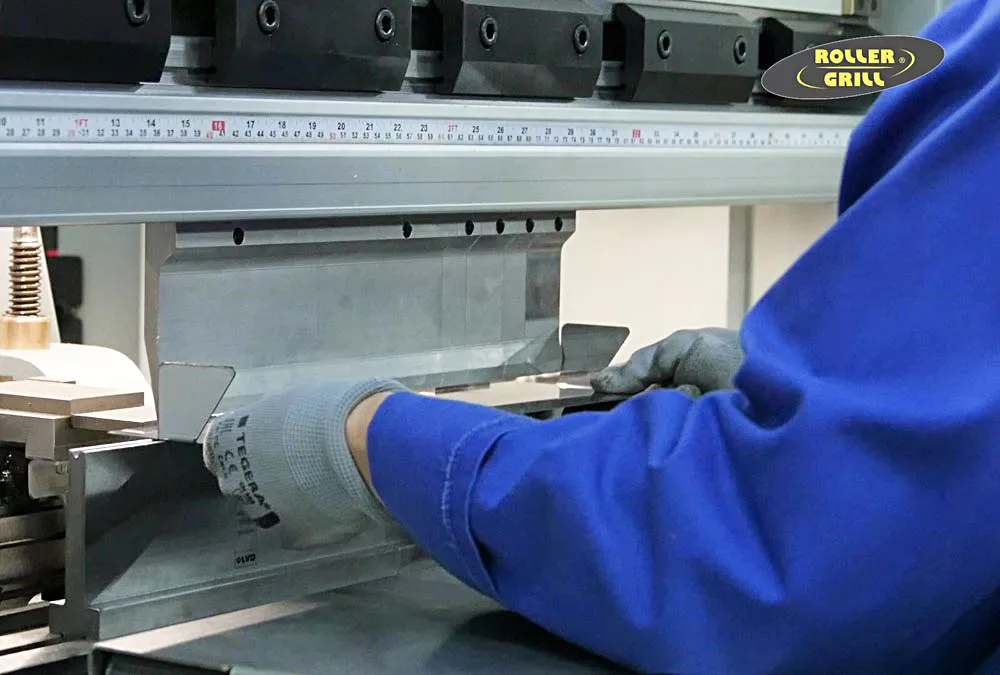
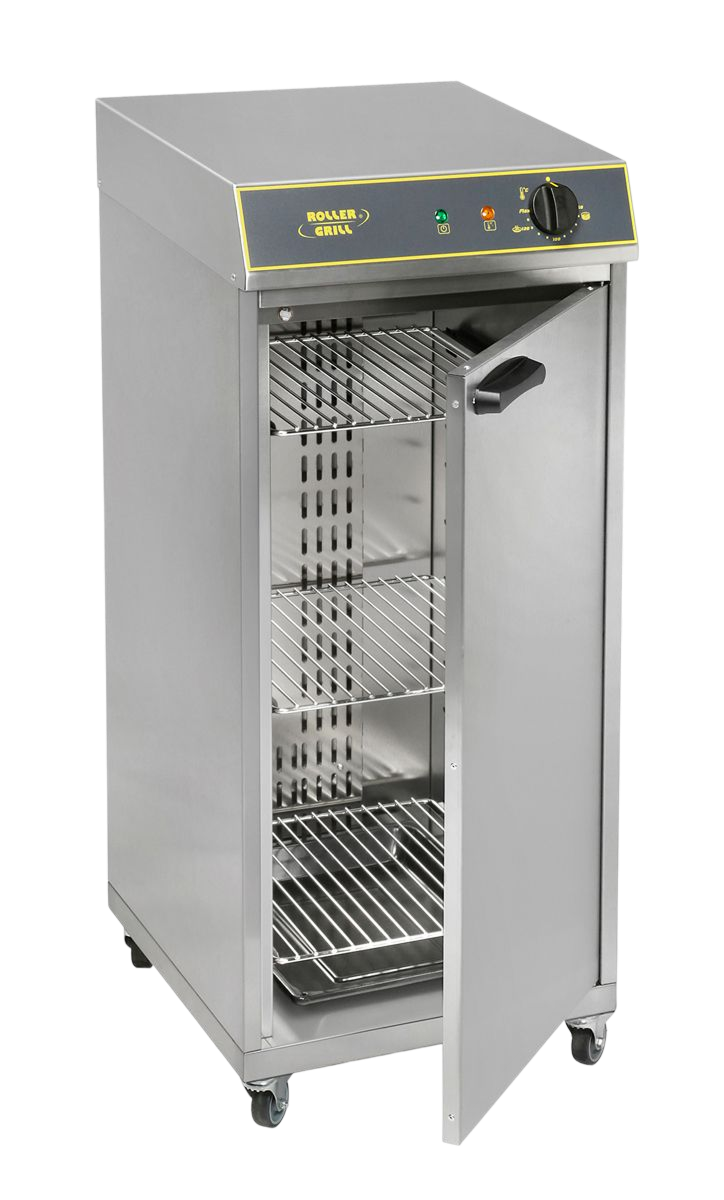
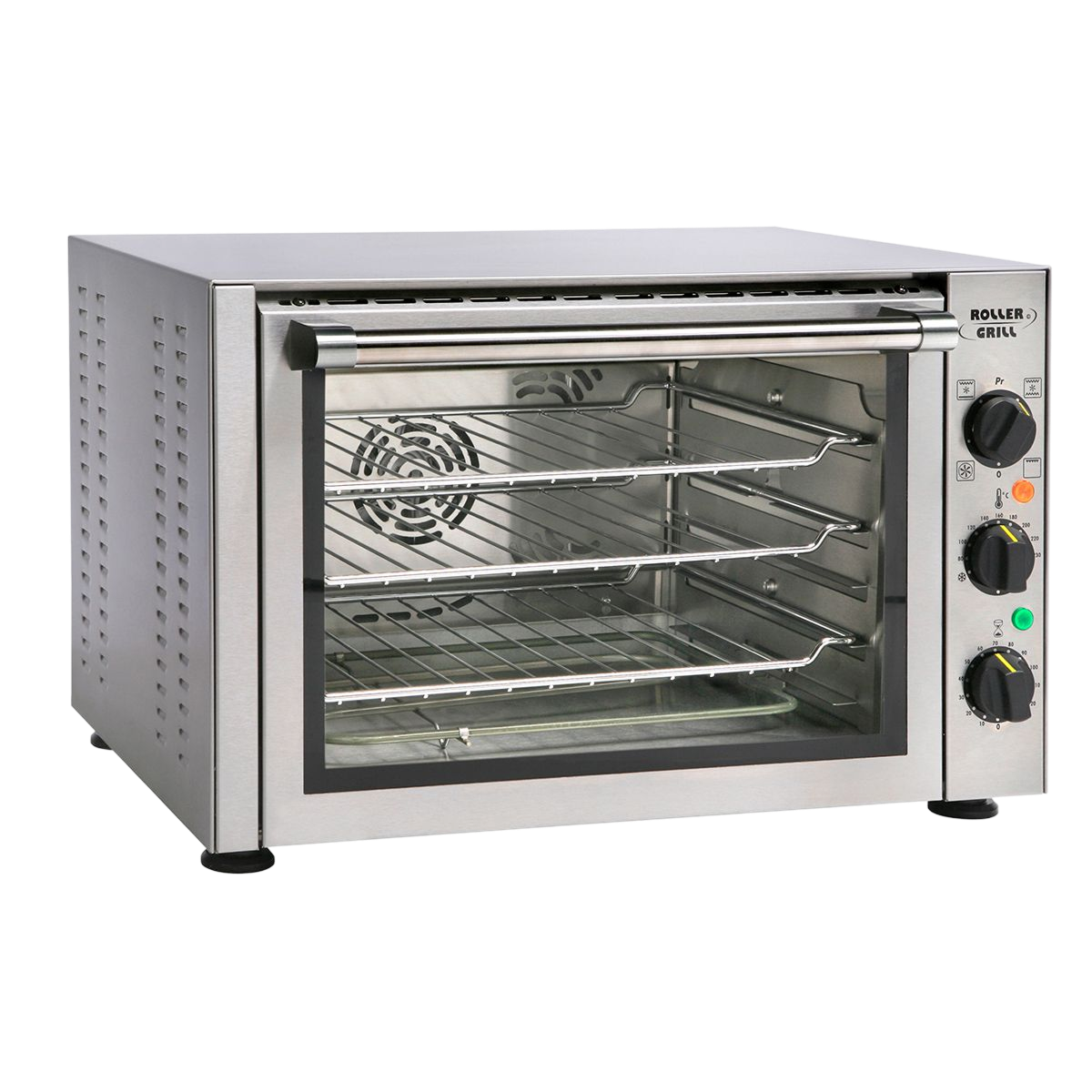
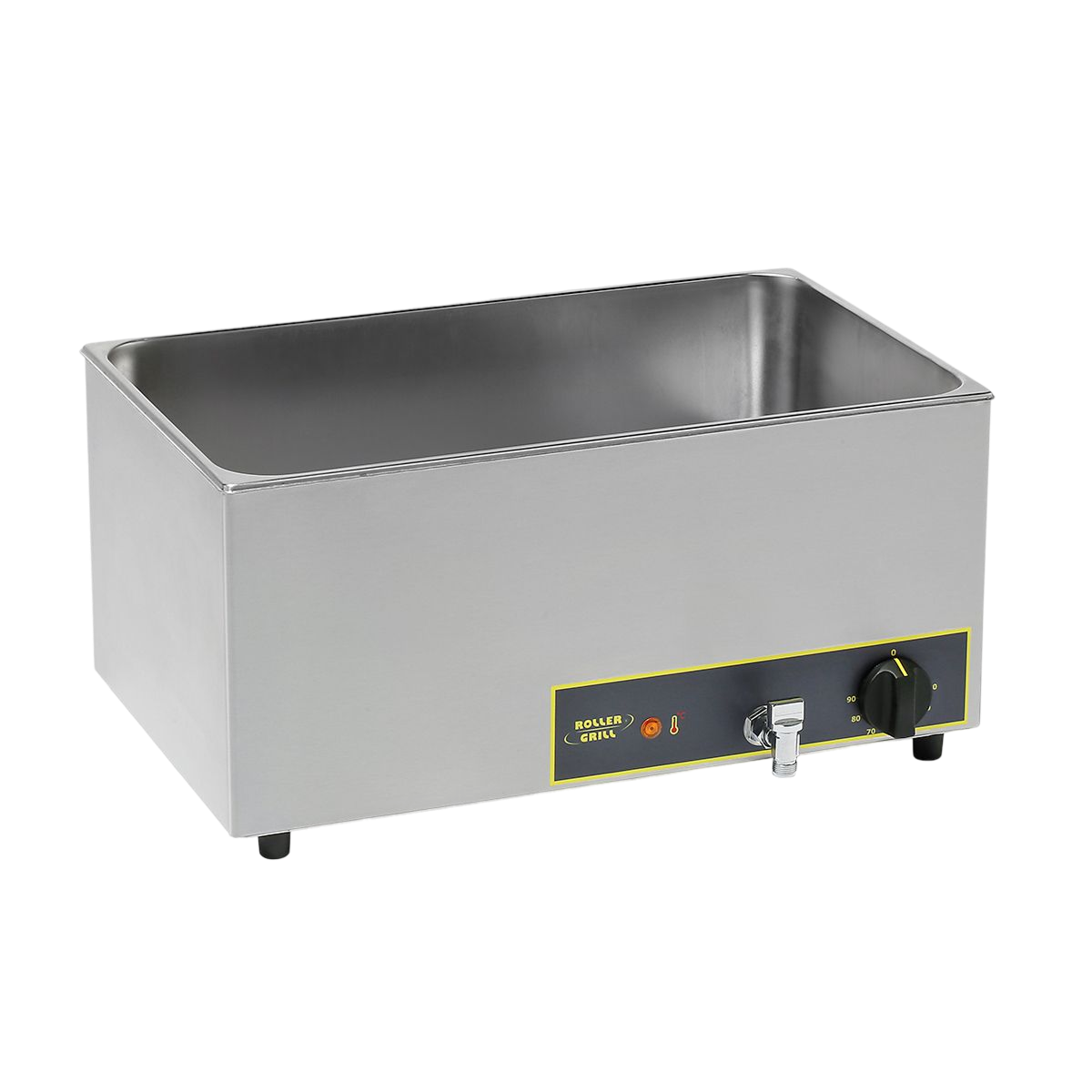
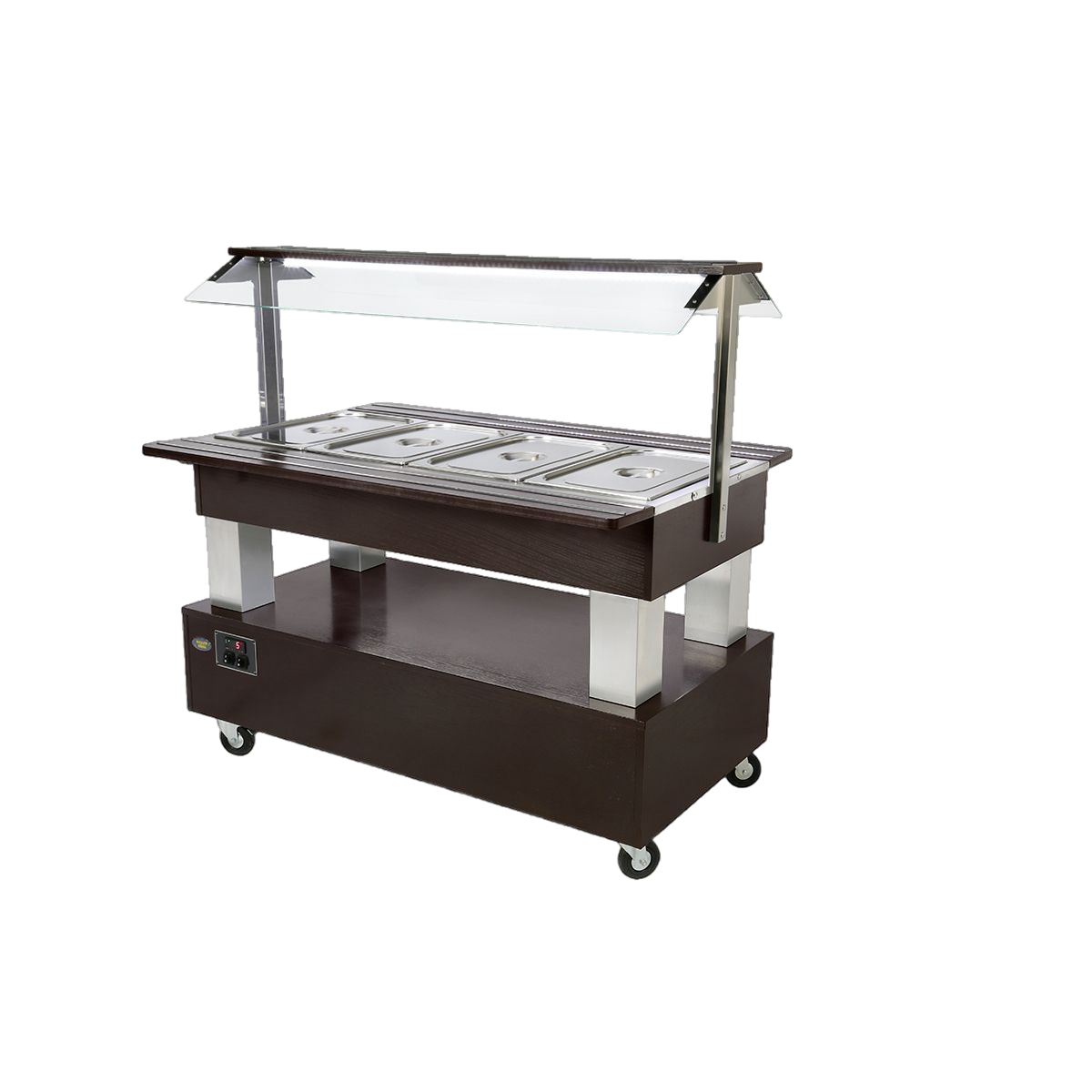
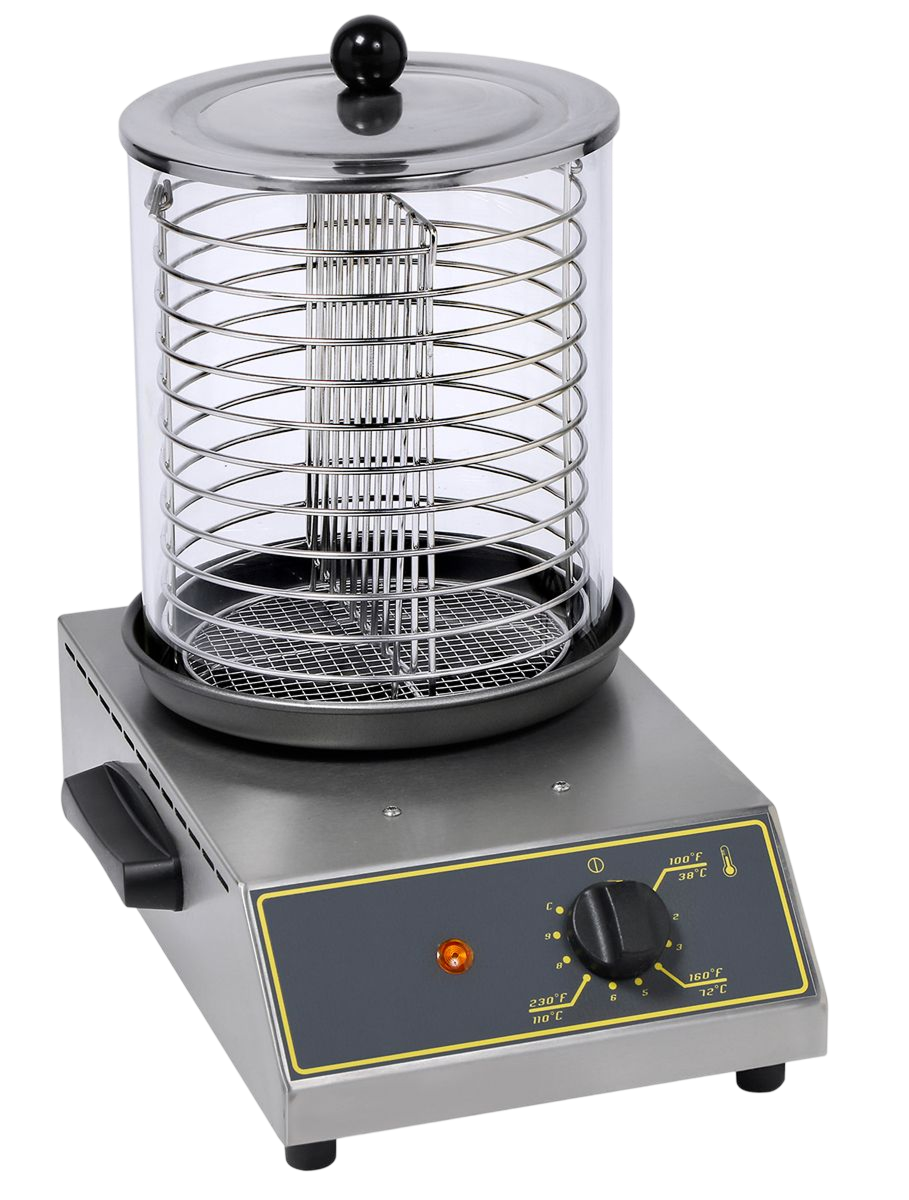
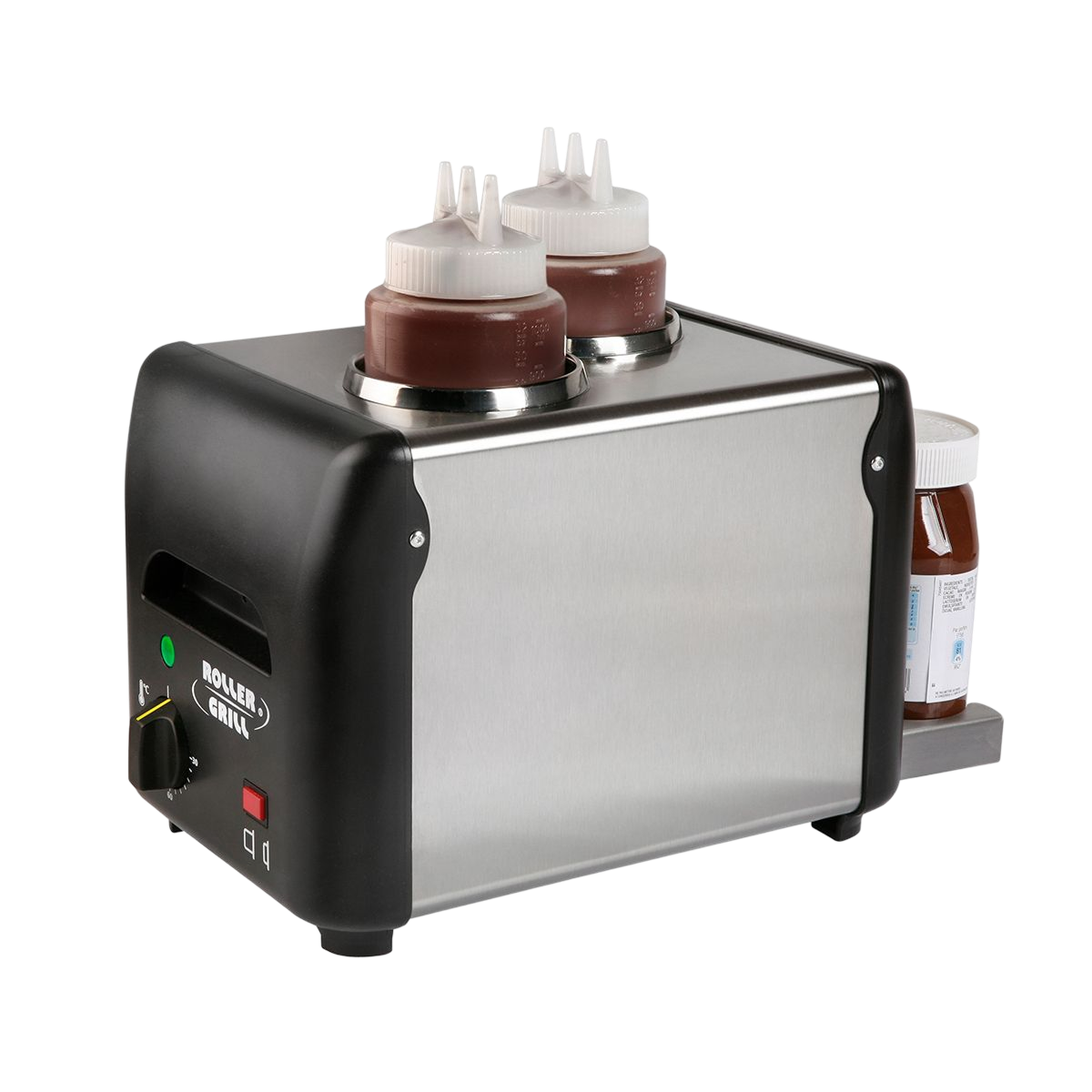
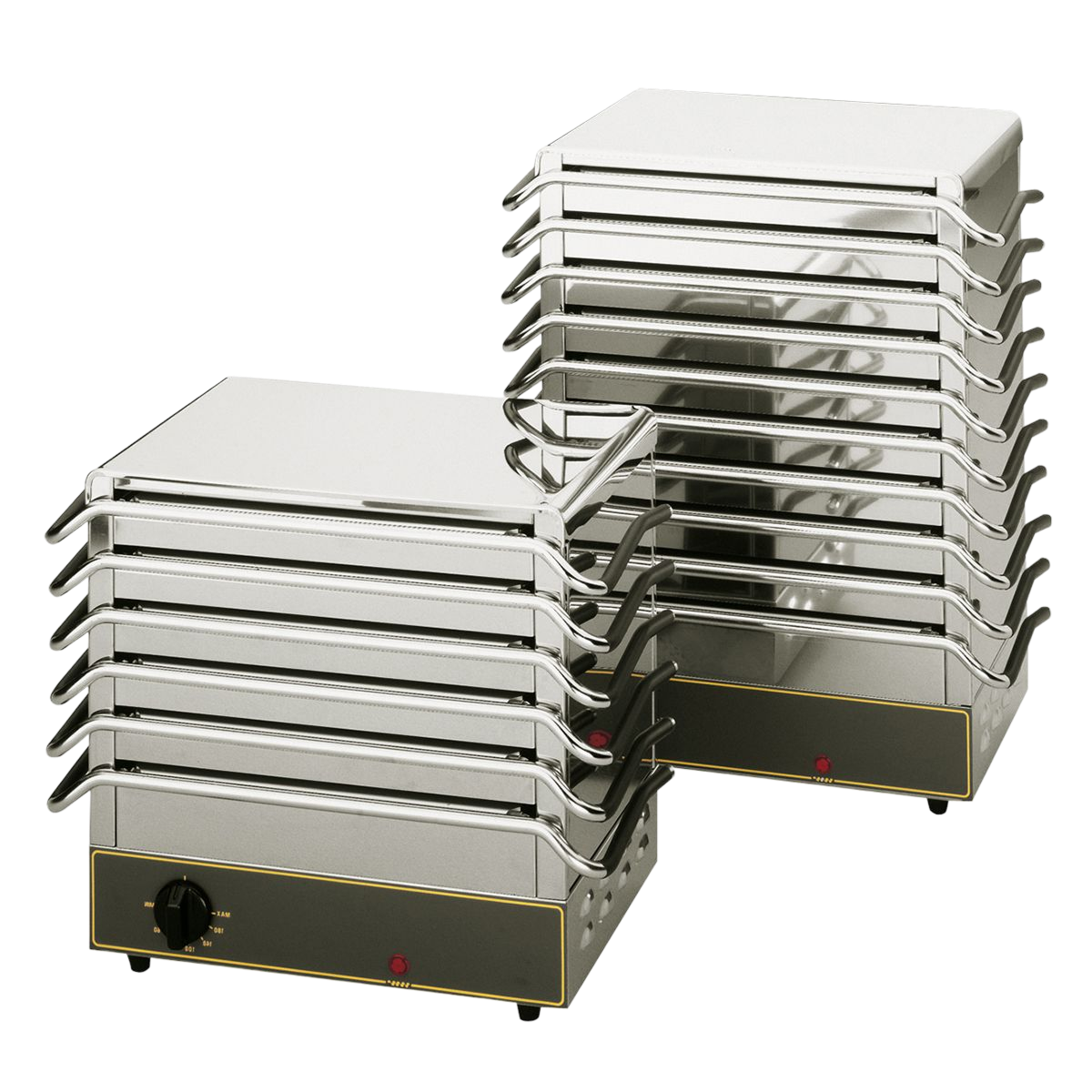
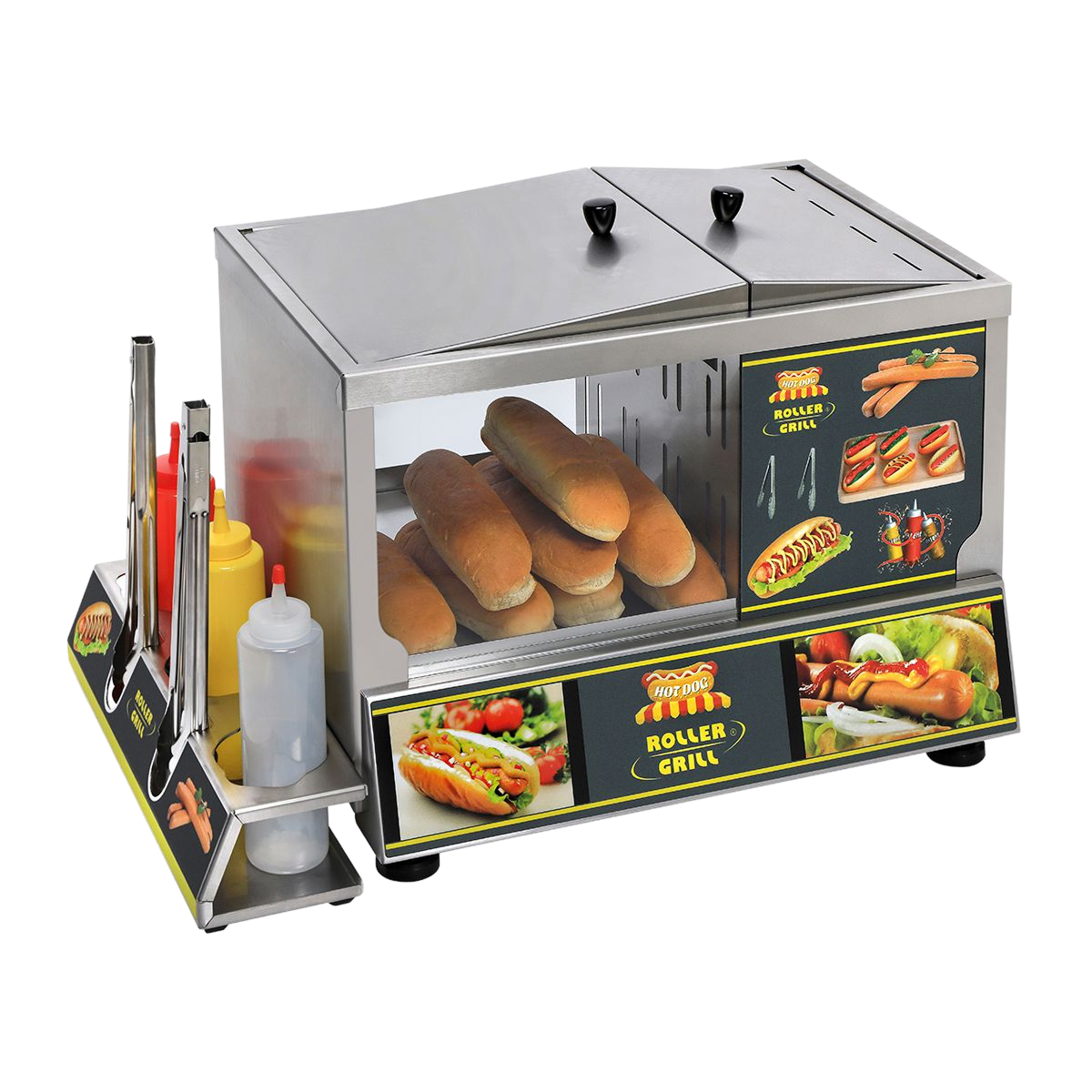
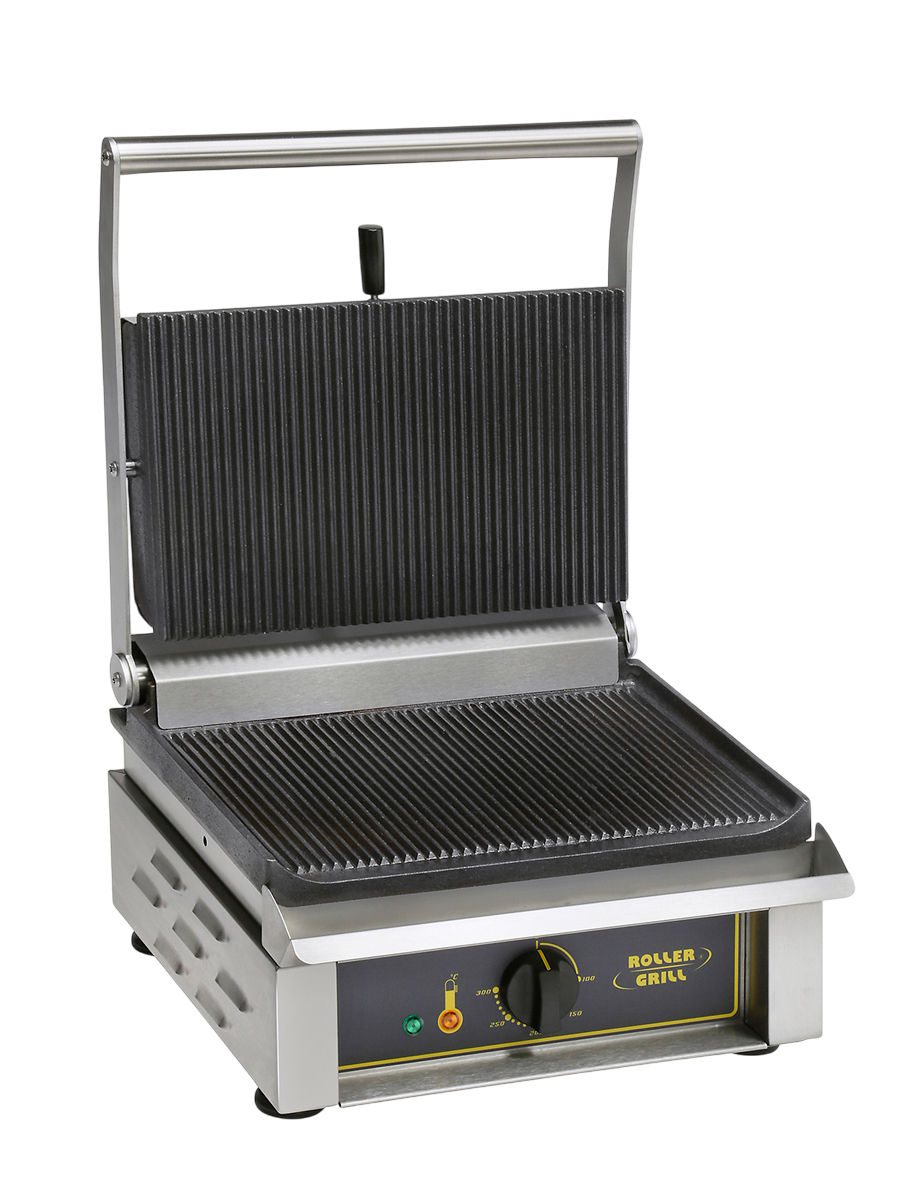
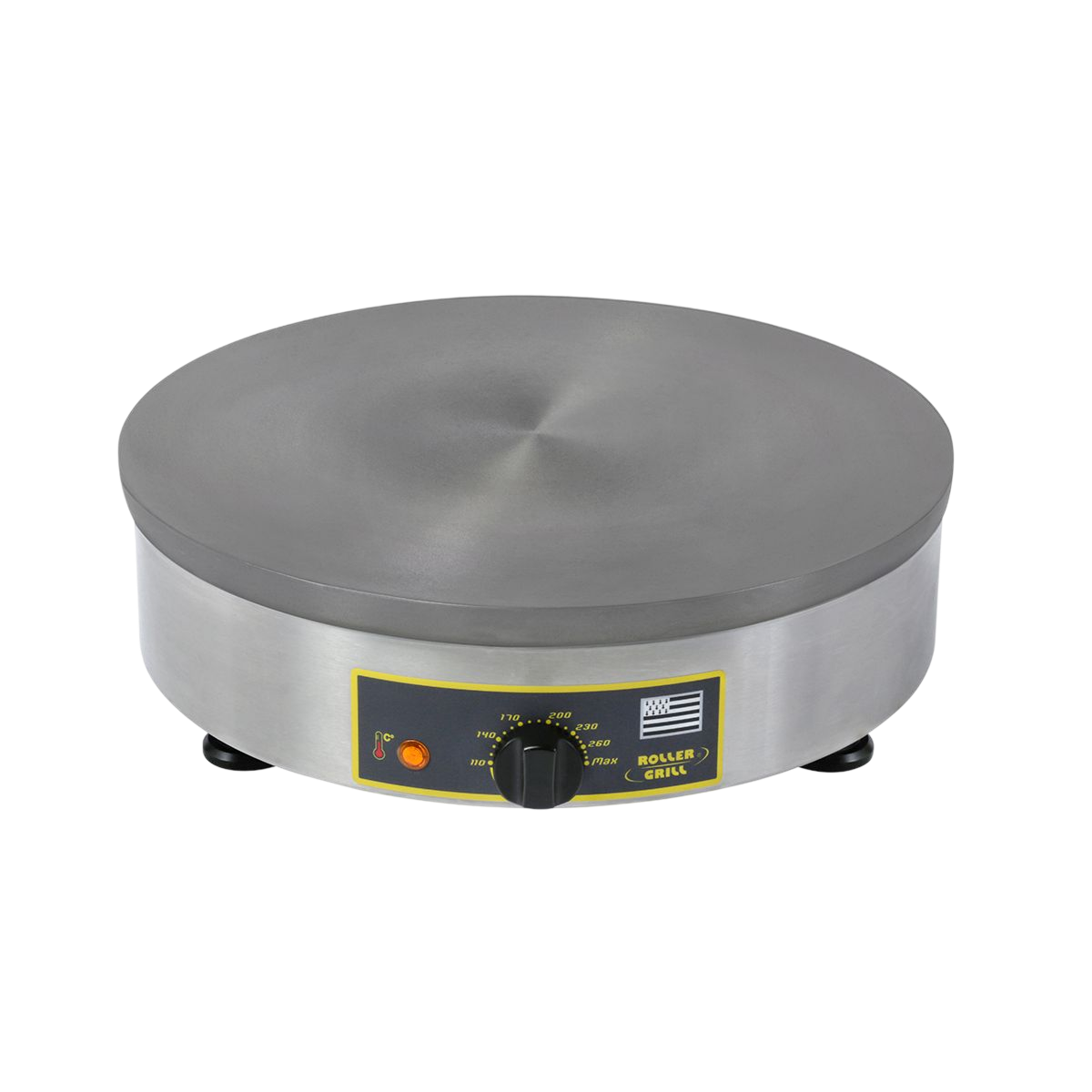
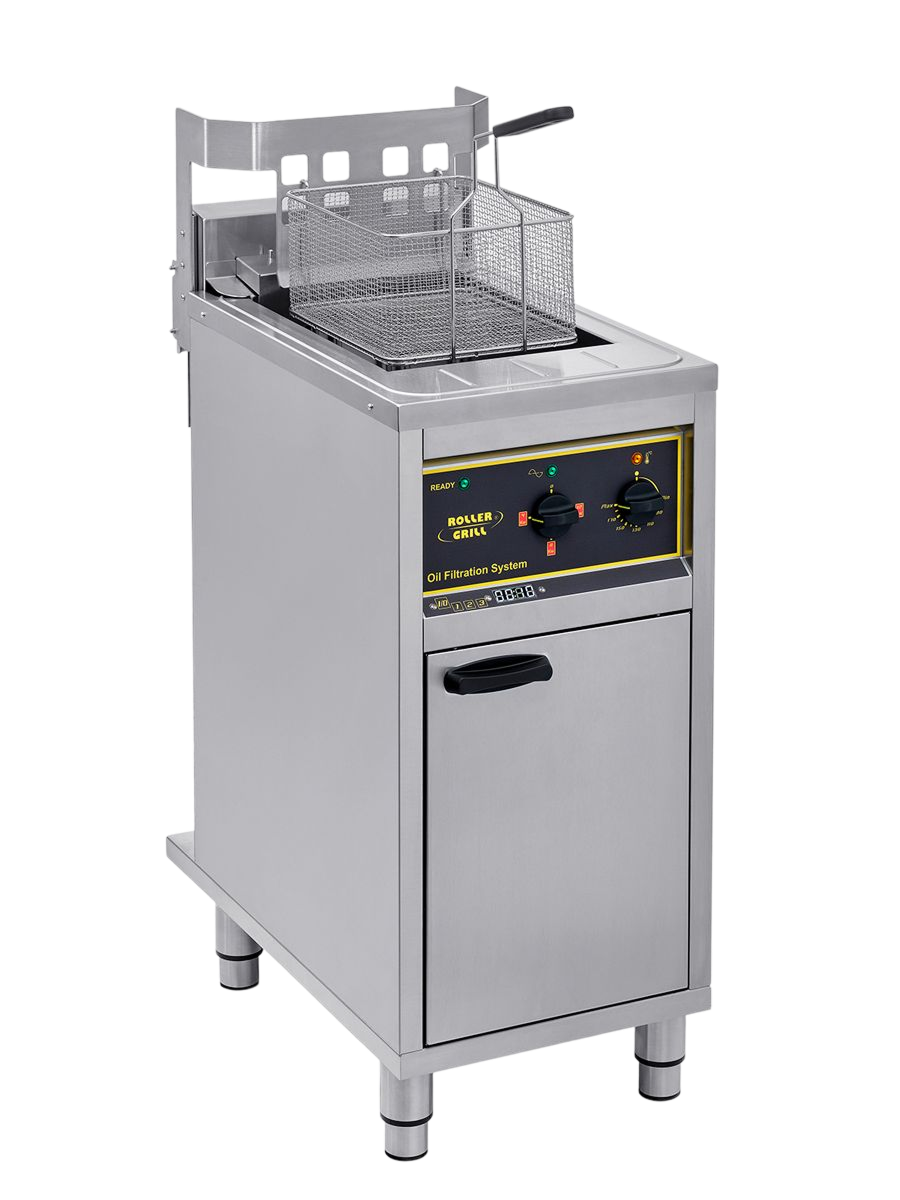
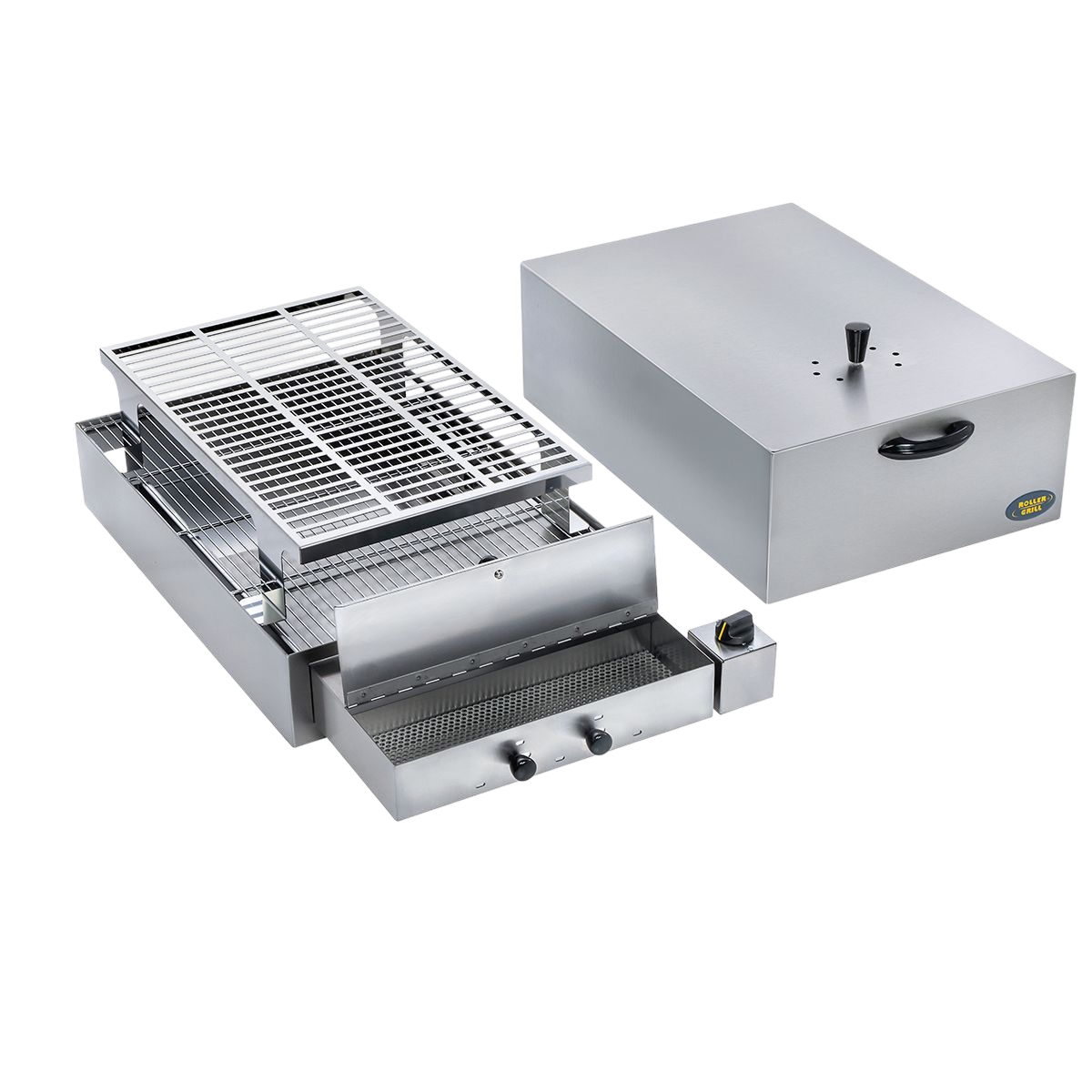
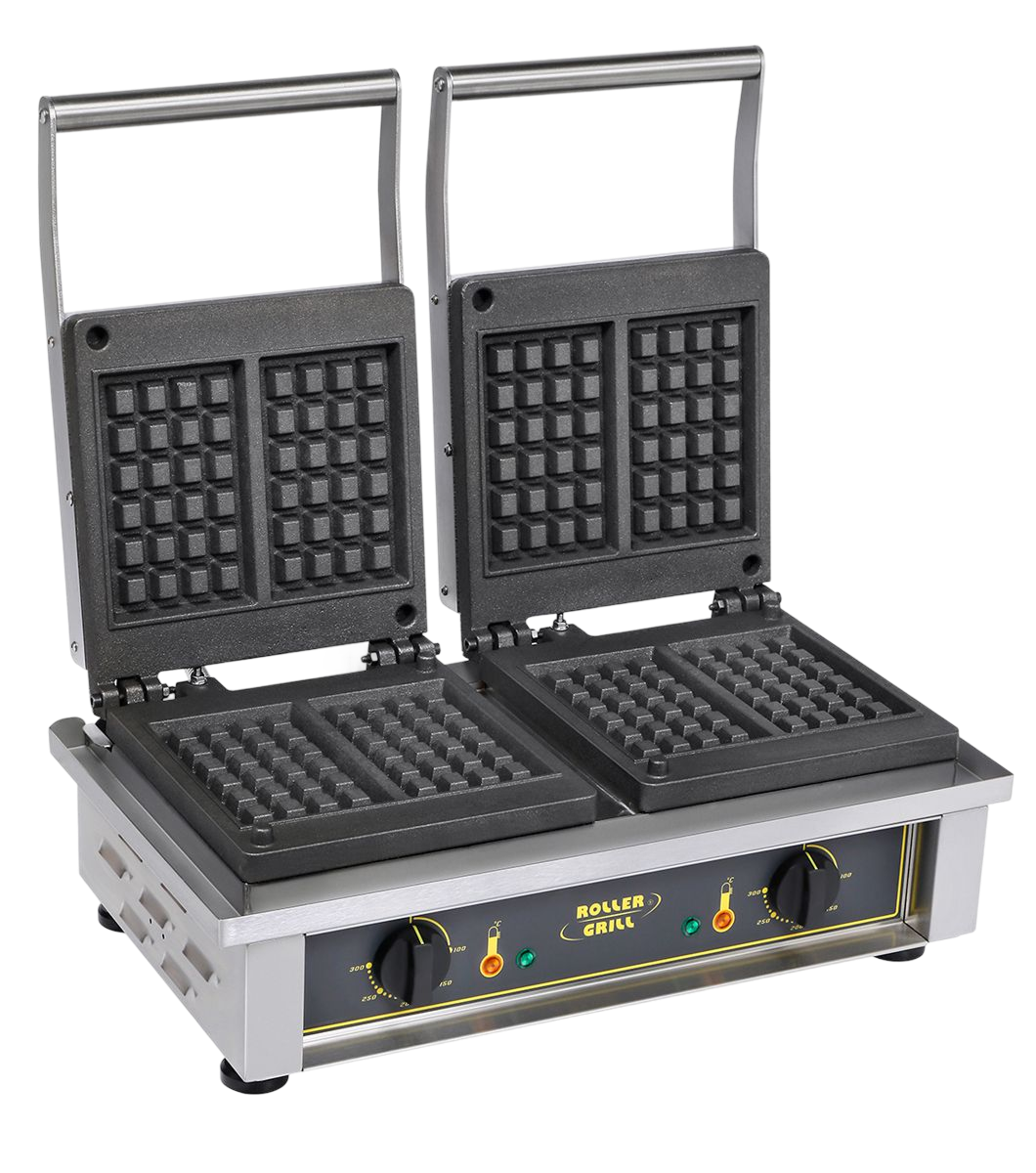
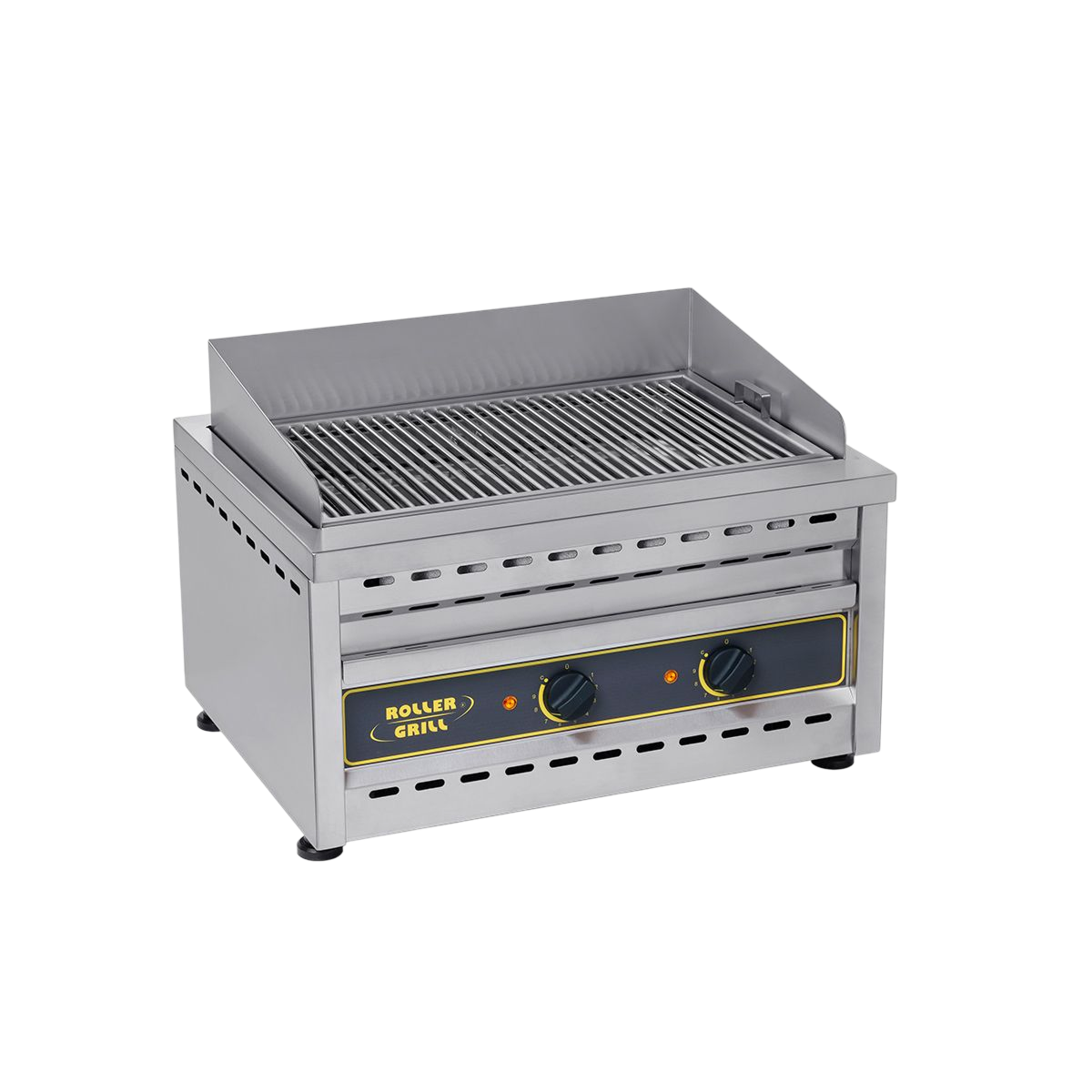
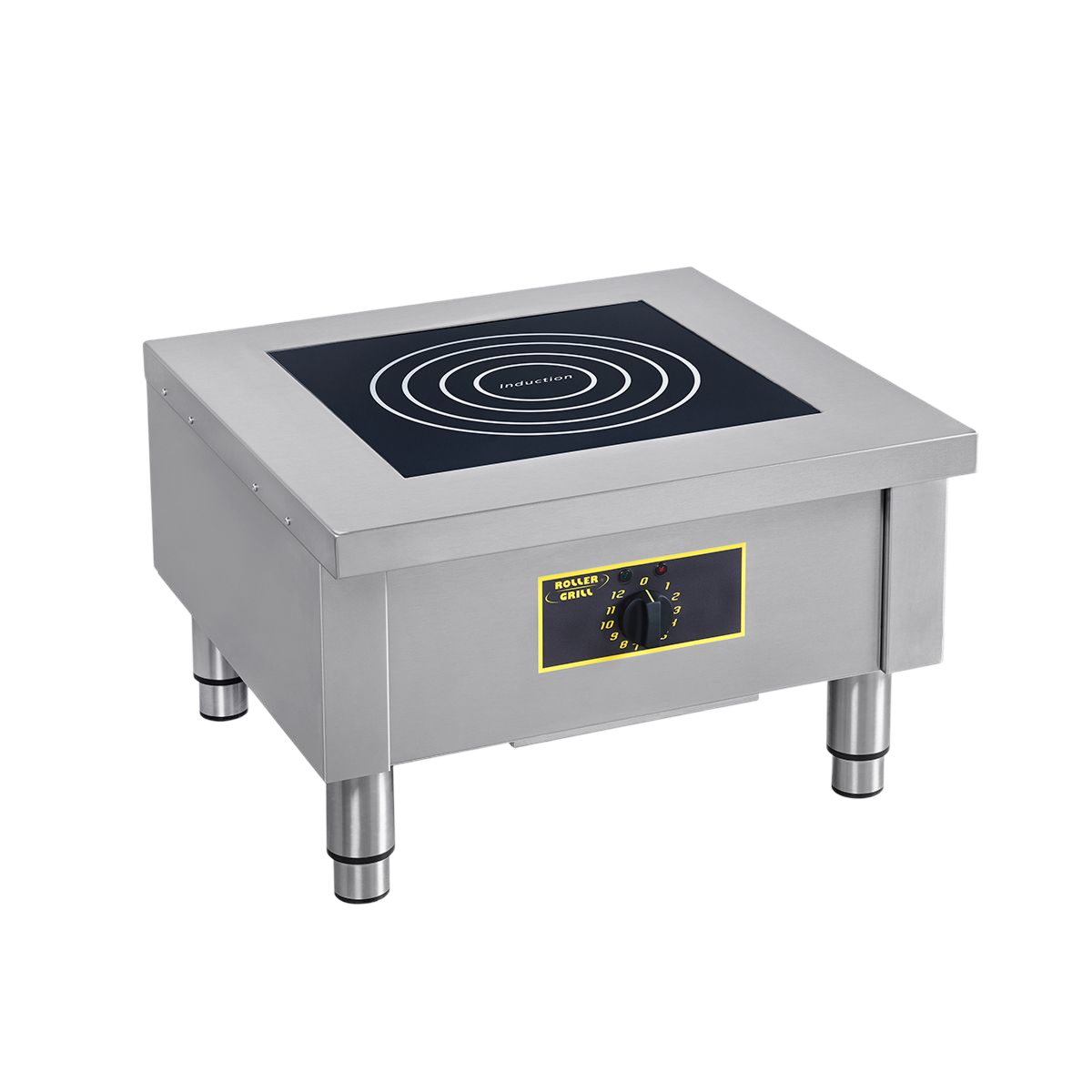
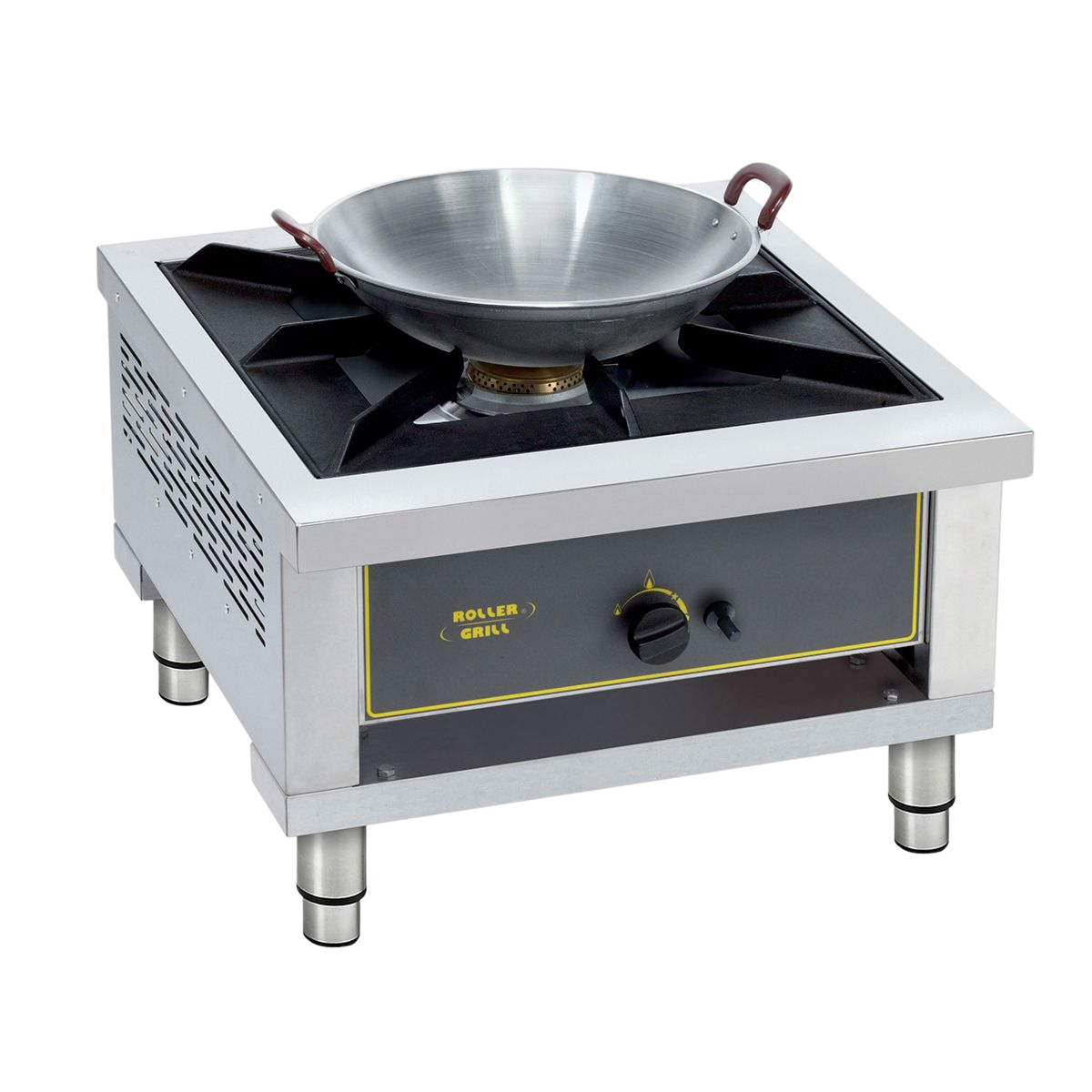
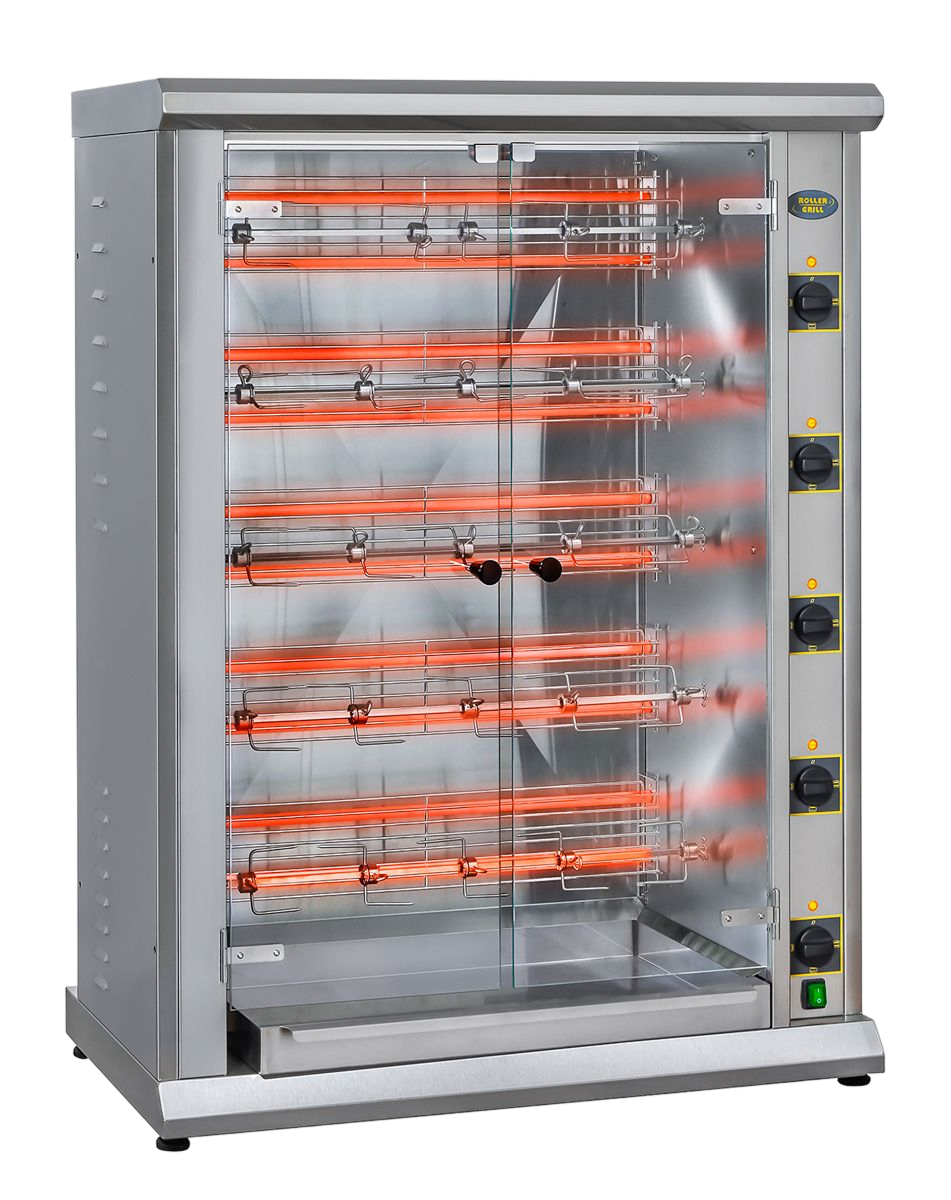
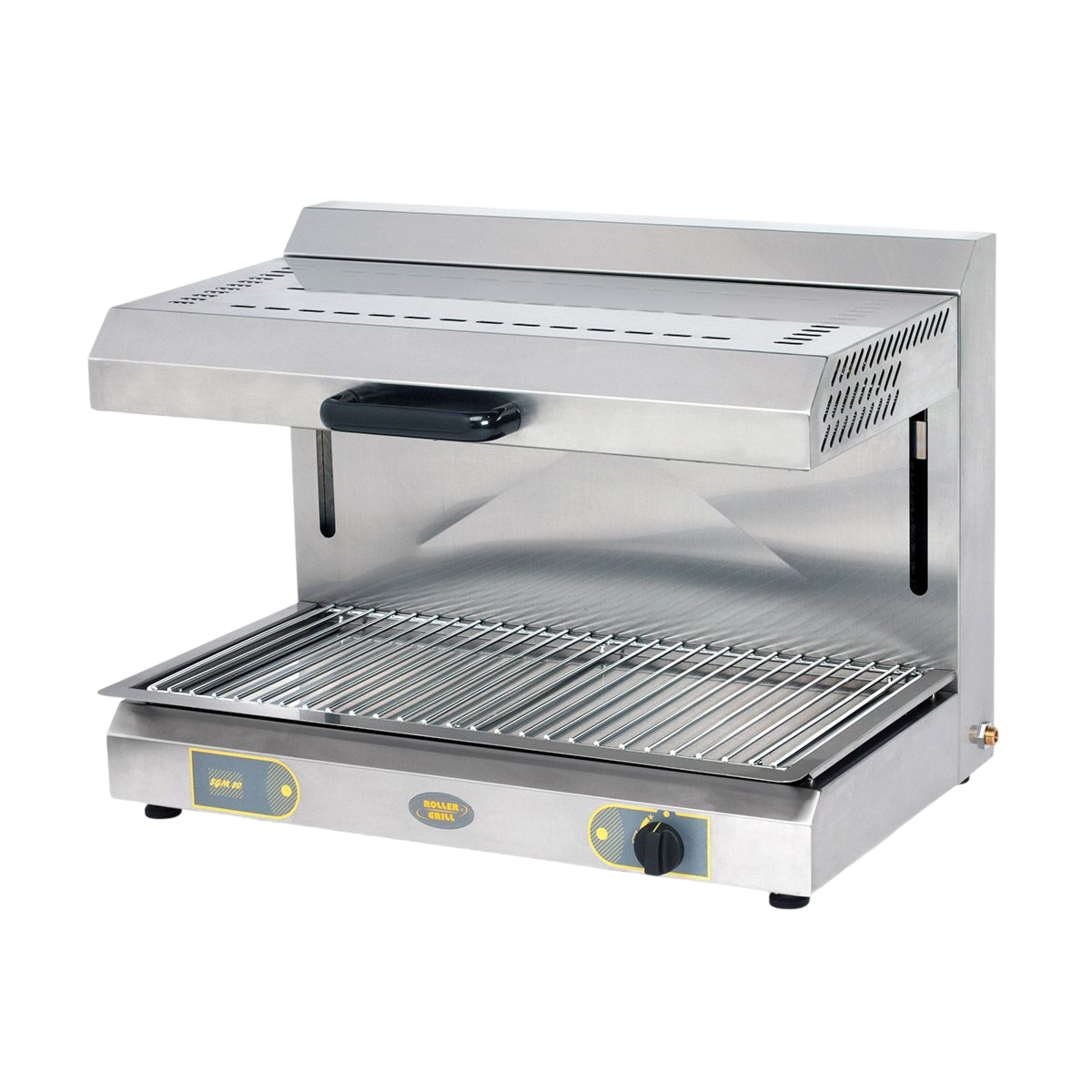
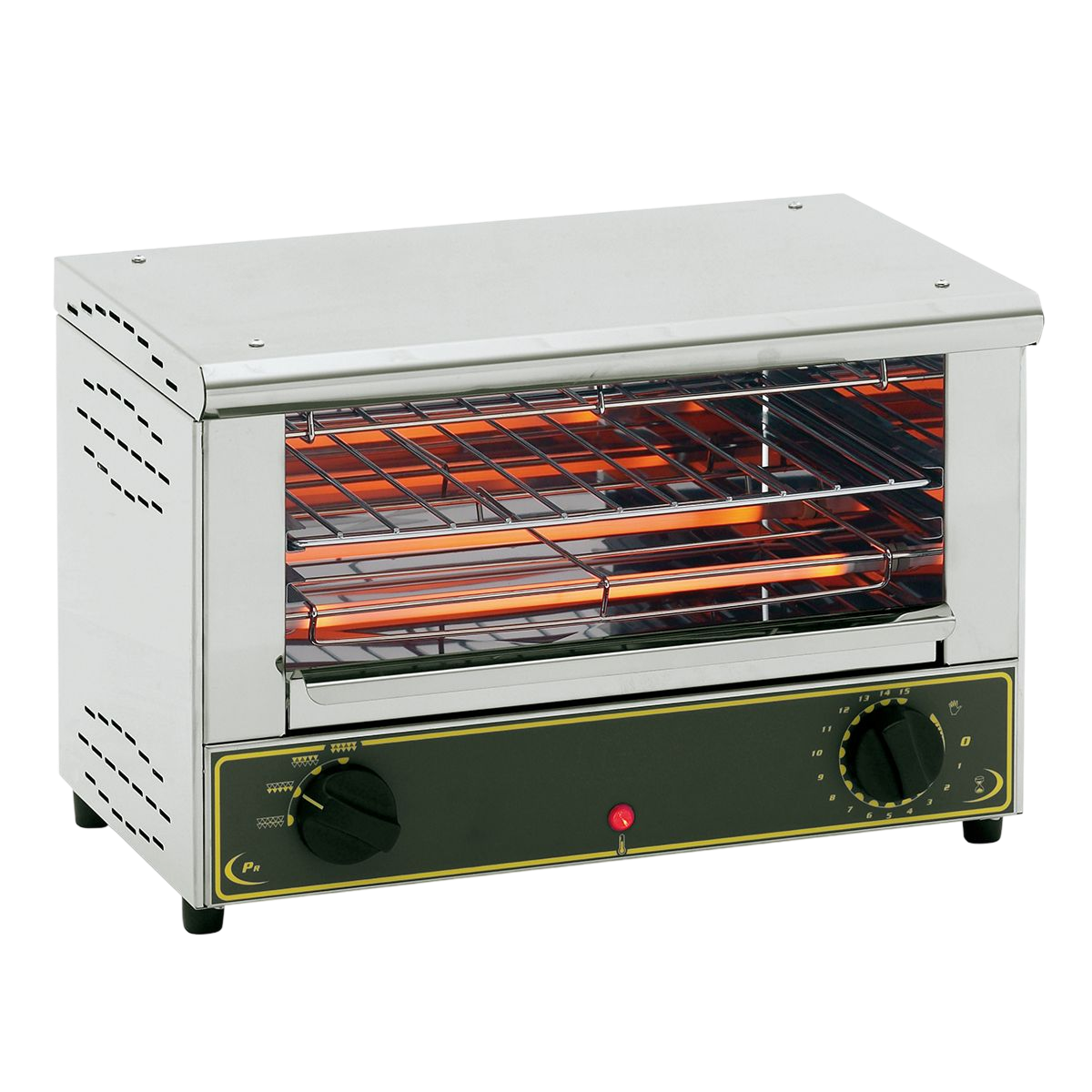
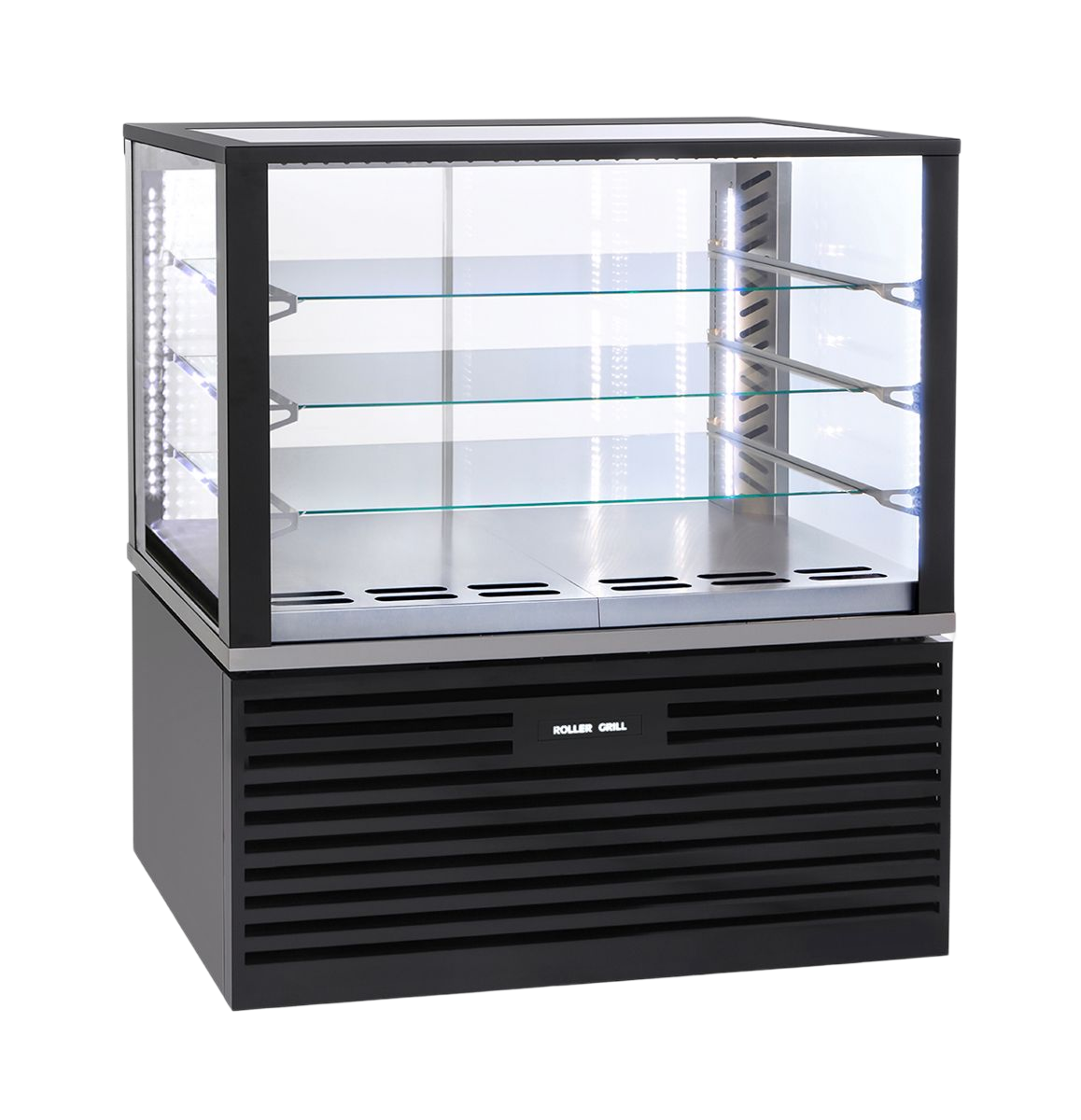
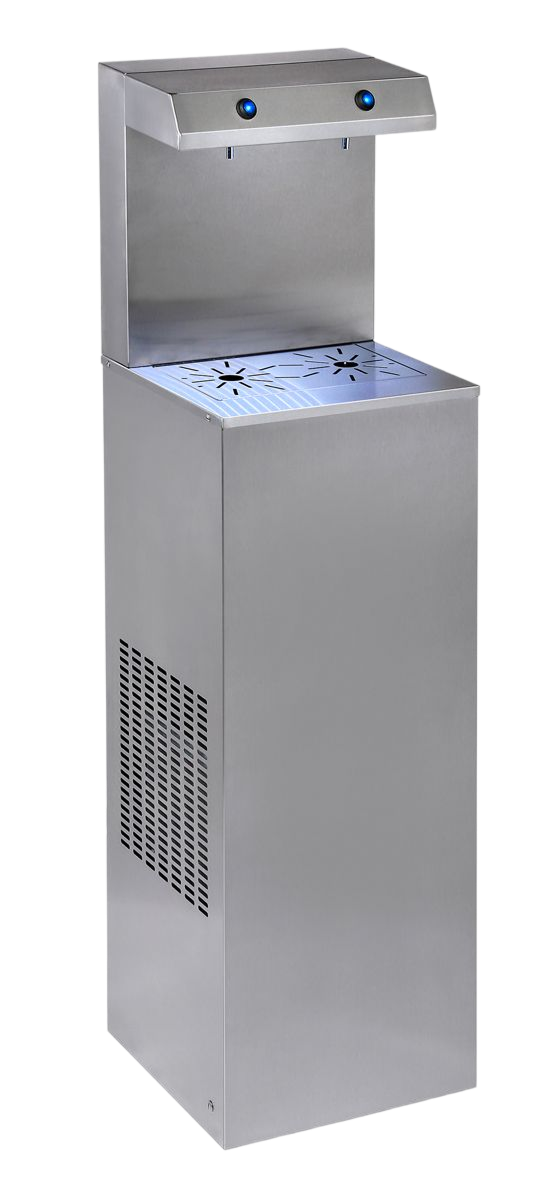
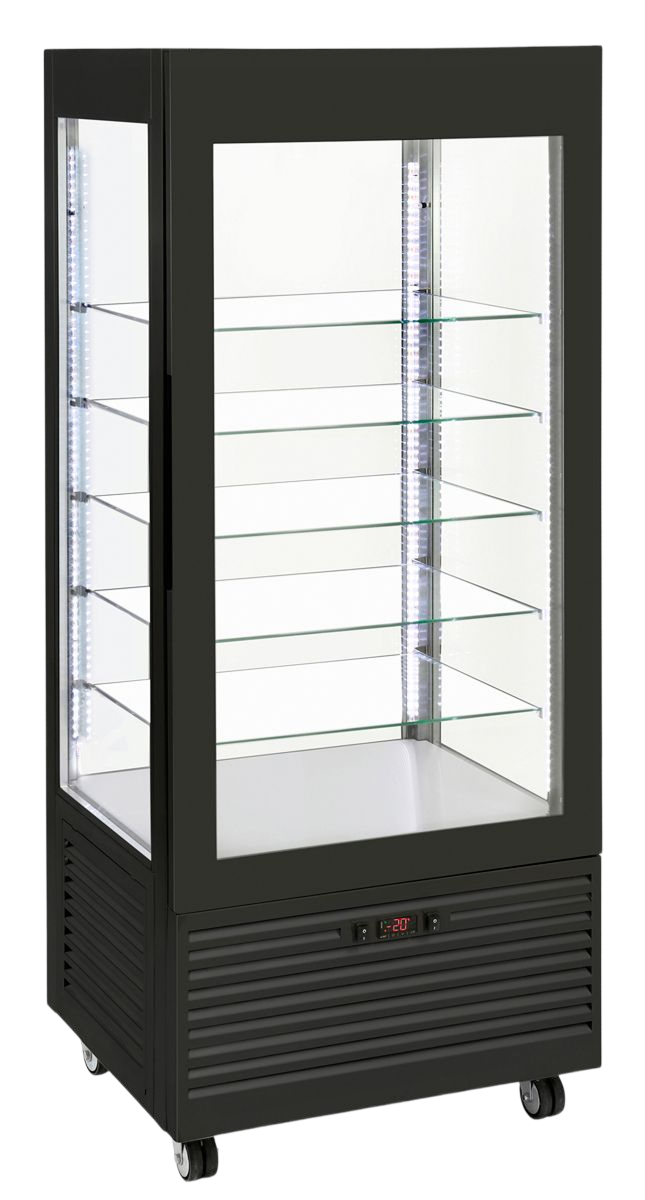
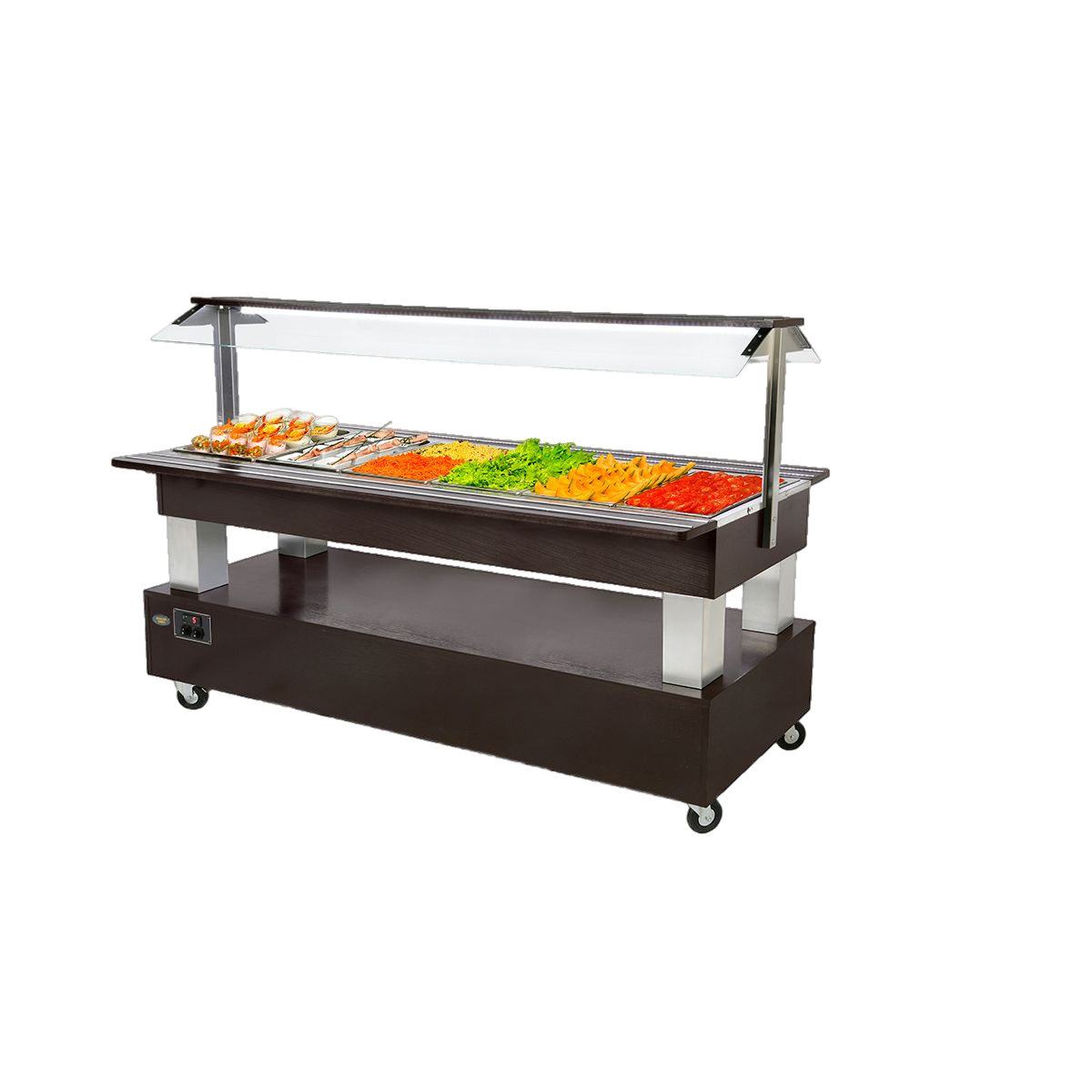
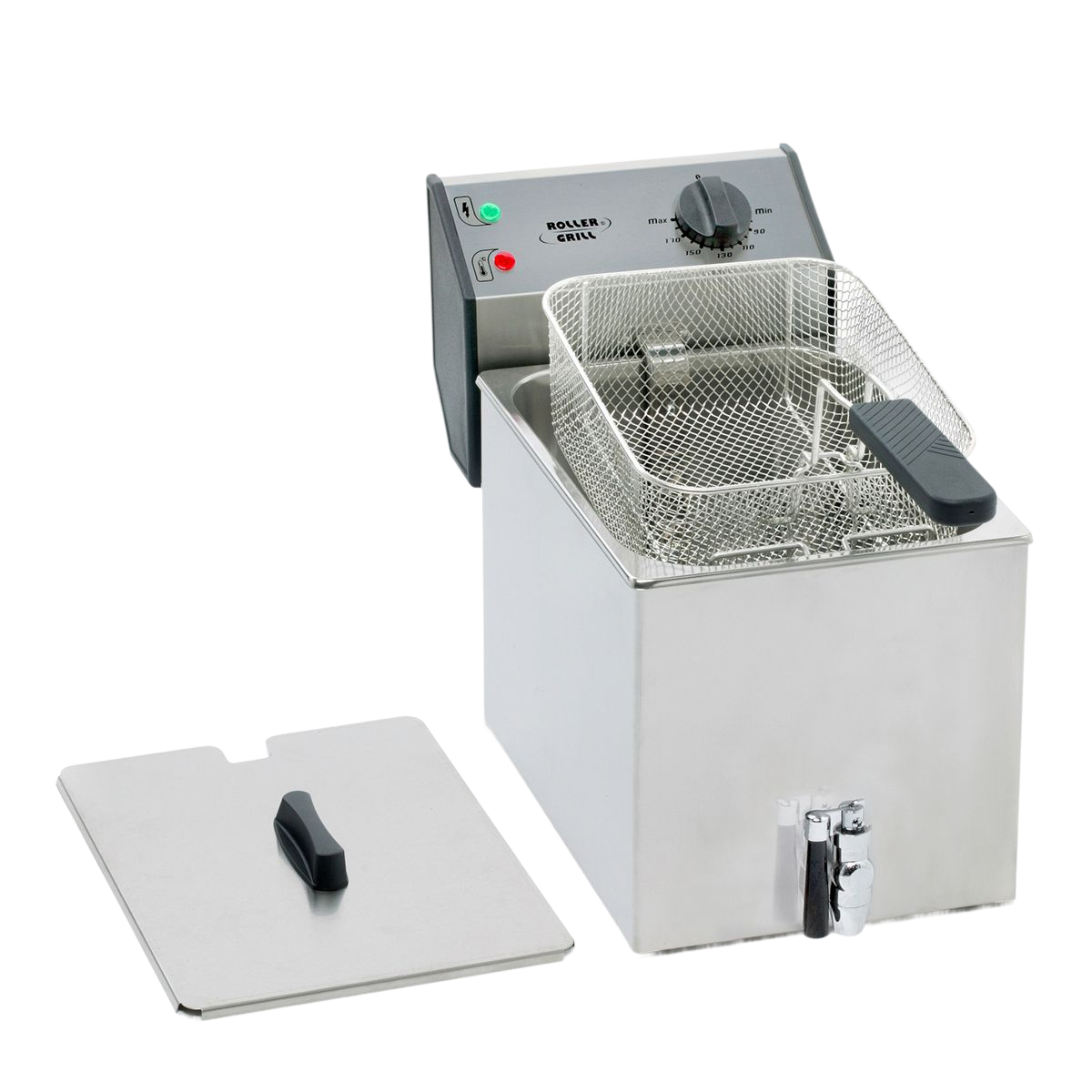
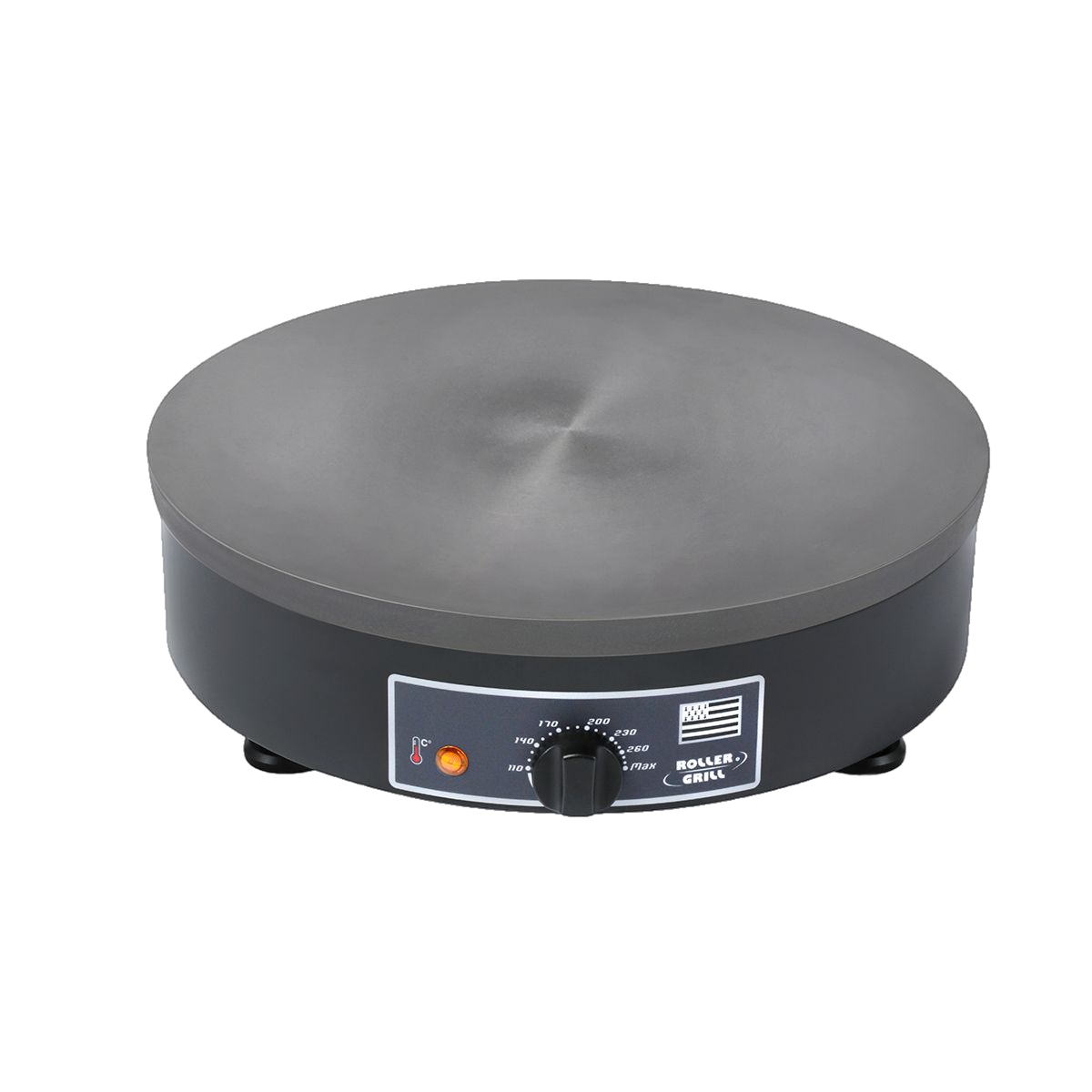
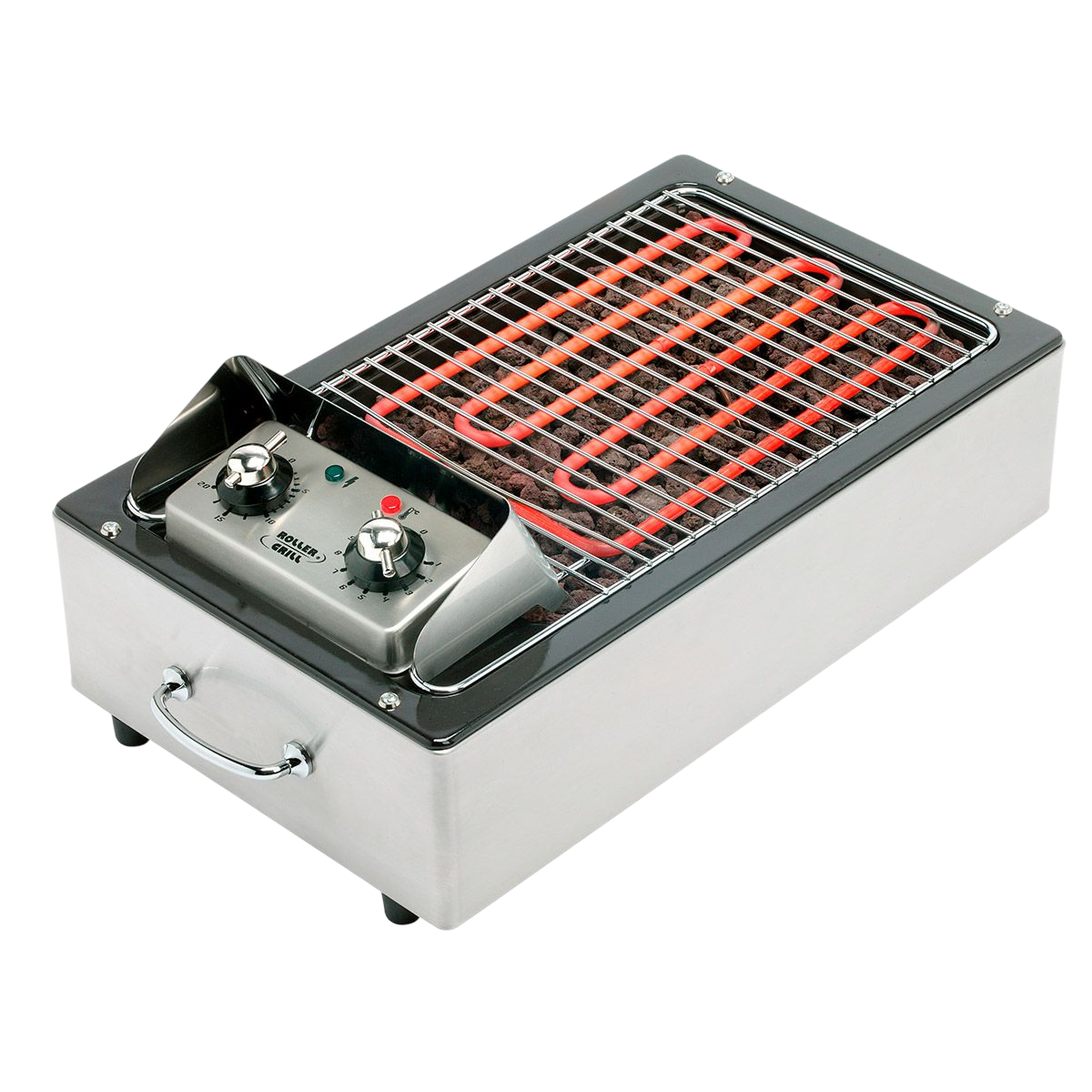
Founded in 1947, Roller Grill has been manufacturing cooking equipment for more than 70 years in France, with two factories in Bonneval, Eure-et-Loir (28). For several decades, a small French flag has been affixed to every Roller Grill product and every piece of packaging. Today, this French flag is accompanied by a QR code to scan. It lets you discover behind the scenes of Roller Grill’s French manufacturing from your mobile phone. Roller Grill has deliberately chosen not to sign up to a label for the following reasons:
- With more than 70 years of French industrial know-how, Roller Grill did not wait for the emergence of labels to manufacture in France.
- Roller Grill displayed its French manufacture well before labels appeared, while complying with the Community rules on non-preferential origin.
- The Roller Grill range comprises around 30 product families and 400 appliances across 2 production sites. Certification, which must be renewed every 3 years, would be particularly costly for such a wide range. It would reduce the company’s competitiveness.
The 5 reasons to buy “Made in France”
Maintaining and creating jobs in France
Buying “Made in France” means supporting the French economy and national companies. This economic patriotism helps maintain and create jobs in France. For example, when you buy Roller Grill equipment, you help to safeguard the jobs of 160 families in Eure-et-Loir. Purchasing a French product helps preserve French know-how, craftsmanship and French industry.
Getting a quality product
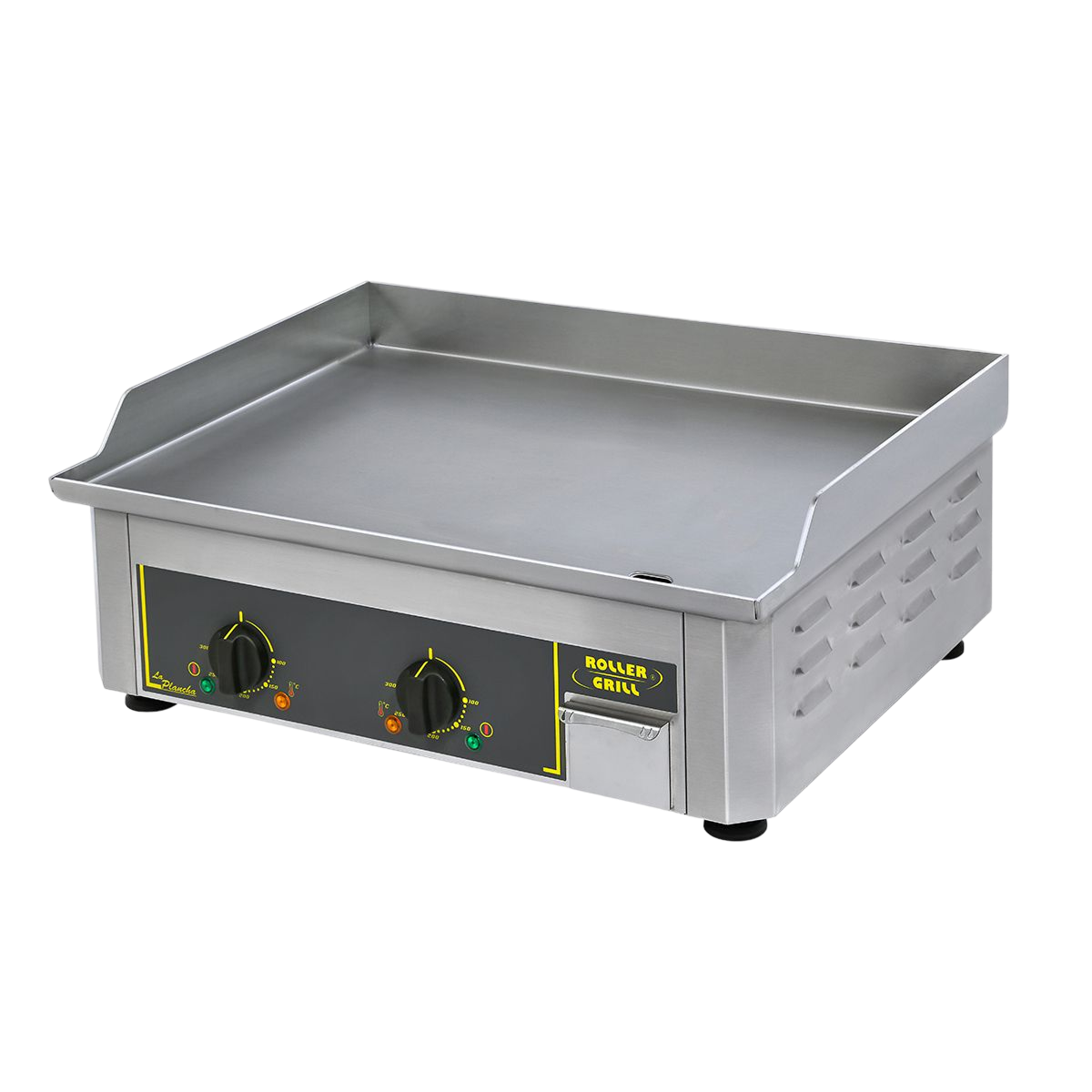
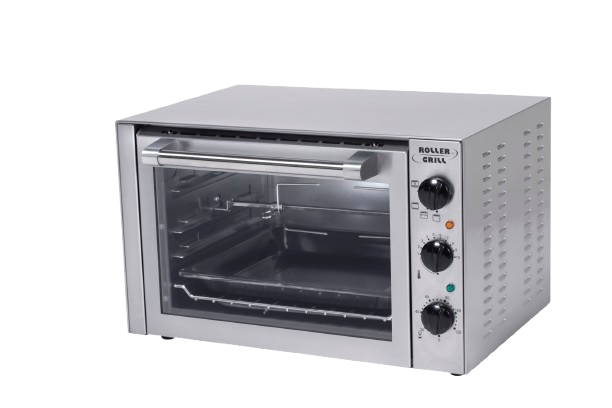
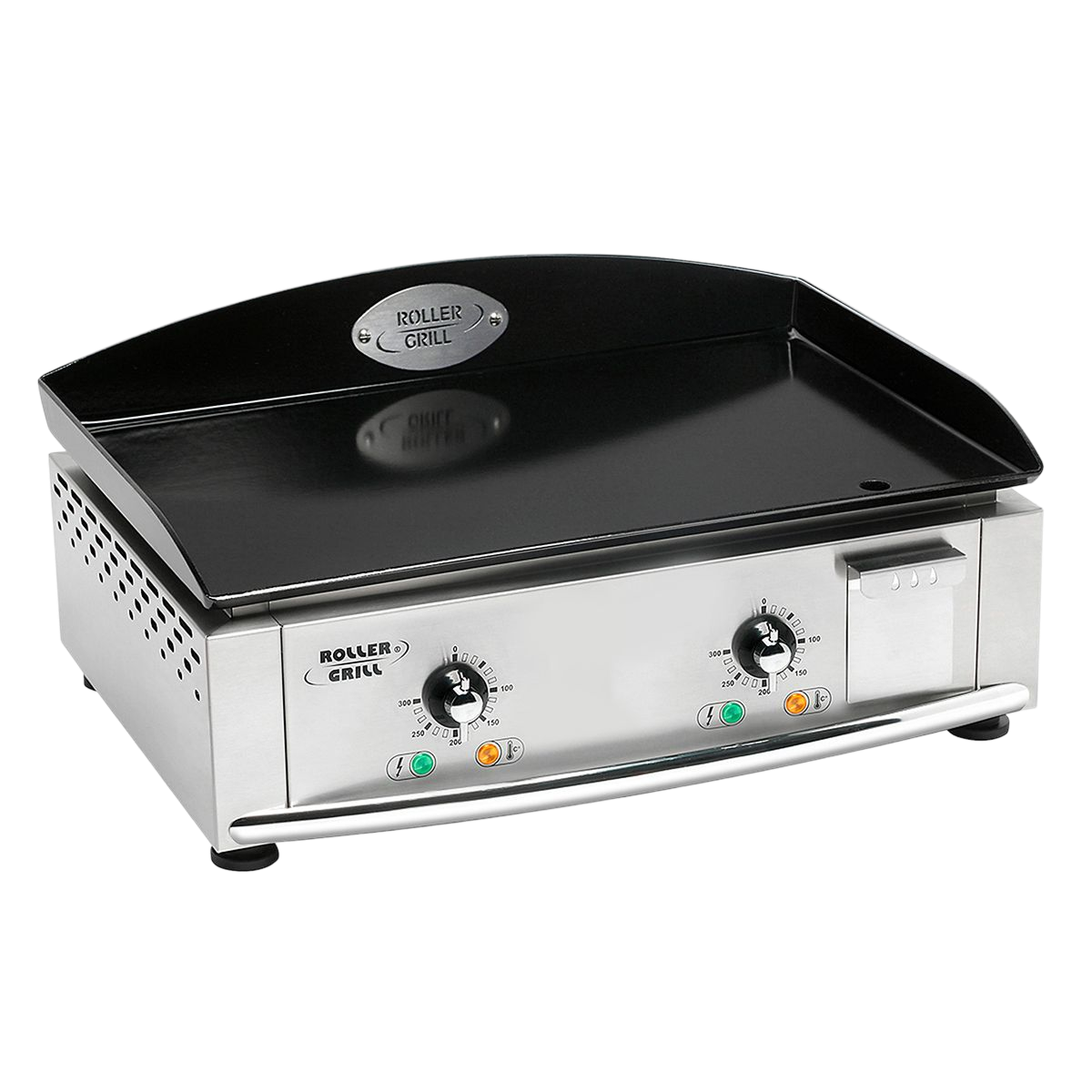
French-made products are of good workmanship. Health, hygiene and safety standards are very strict in France. They are a genuine guarantee of quality. For example, if you buy a Roller Grill electric or gas plancha, you benefit from a quality, safe product. This is stainless steel equipment designed using professional technologies recognised by professional chefs. All Roller Grill products are manufactured in compliance with the strictest catering standards.
Making a sustainable purchase
In search of authenticity, consumers today find out more about products in order to “consume less but better” and thus favour sustainable purchasing. A French capital good has a longer service life than an equivalent product made abroad. It is better to buy quality kitchen equipment that will stand the test of time rather than an entry-level appliance that will constantly need replacing.
Reducing environmental impact
A product bought in France travels fewer kilometres than one imported from abroad. This helps to reduce the carbon footprint of the product and to lessen its environmental impact. Buying a product made and assembled in France is a more environmentally friendly act.
Committing to a brand
Consumers are becoming active players, sensitive to how companies behave, work and design their products. Some are even prepared to commit to a brand. Like these “consumer-actors”, become true ambassadors for French brands on the Internet and social media!
All Roller Grill products are of French origin. They have been manufactured in two factories in Eure-et-Loir for more than 70 years. It is the only French manufacturer, with roots in the professional catering sector, to offer you a line of high-end products. Roller Grill stands for continuous product improvement, bringing you the best of French industrial know-how at the service of gastronomy and the pleasure of cooking.
>>> Discover our Roller Grill factory and our industrial know-how …