


The distant origins of the plancha
The origins of the plancha date back to the days of religious pilgrimages.
The origins of the plancha date from the end of the Middle Ages. On the routes to Santiago de Compostela, the only means pilgrims had of cooking was a cast iron or steel plate. This cooking surface was carried on the backs of mules. At mealtimes, the pilgrims would build a fire and place the plancha on the glowing embers to cook their rations. Even in those ancient times, the plancha already offered the advantage of cooking in quantity, for all the pilgrims, a wide variety of tasty dishes based on meat, fish and potatoes gathered along the way.
Over time, this rather generous style of plancha cooking settled down in the secular world.
Synonymous with abundance, plancha cooking became a must in the eyes of the 19th-century nobility. The plancha graced feasts and banquets devoted to good food. Its flavoursome, generous cooking delighted the taste buds of all the guests and great names of the era. Large plancha models thus took up residence in Spanish villages.
The plancha long remained tied to Hispanic culture.
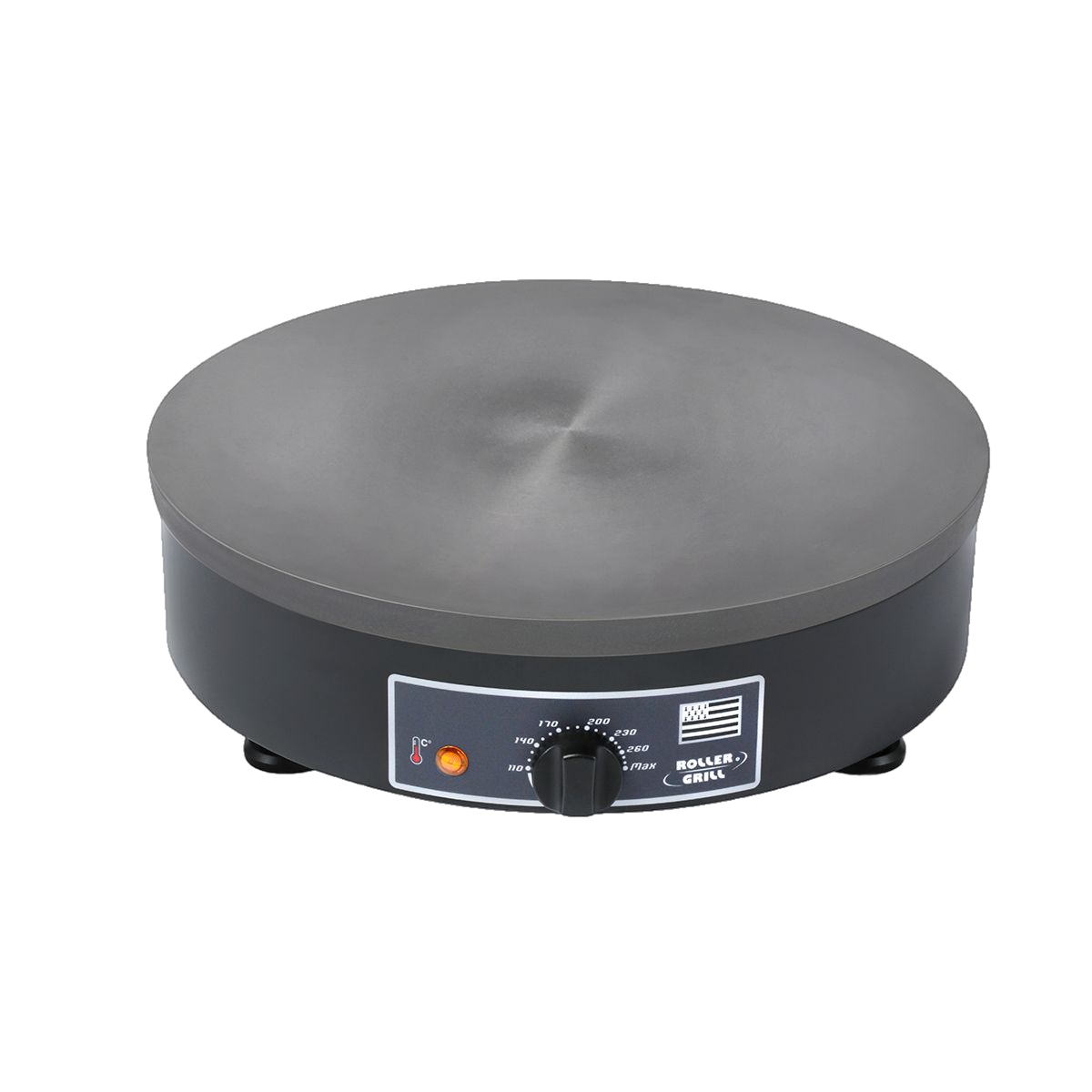
Plancha means “board” in Spanish. It refers both to the plate and to the cooking method. The plancha has been linked to Spain since the days of the religious pilgrimages. At the same time, cooking on a plate over a wood fire was also practised back then in certain Latin American countries such as Argentina, Chile, Mexico and Peru. A round piece of metal raised on legs above a wood fire was used to cook pulses and grill meat. This style of plancha cooking has remained very popular in Spain and Latin America.
The plancha gradually wins over our gardens and the world’s professional kitchens
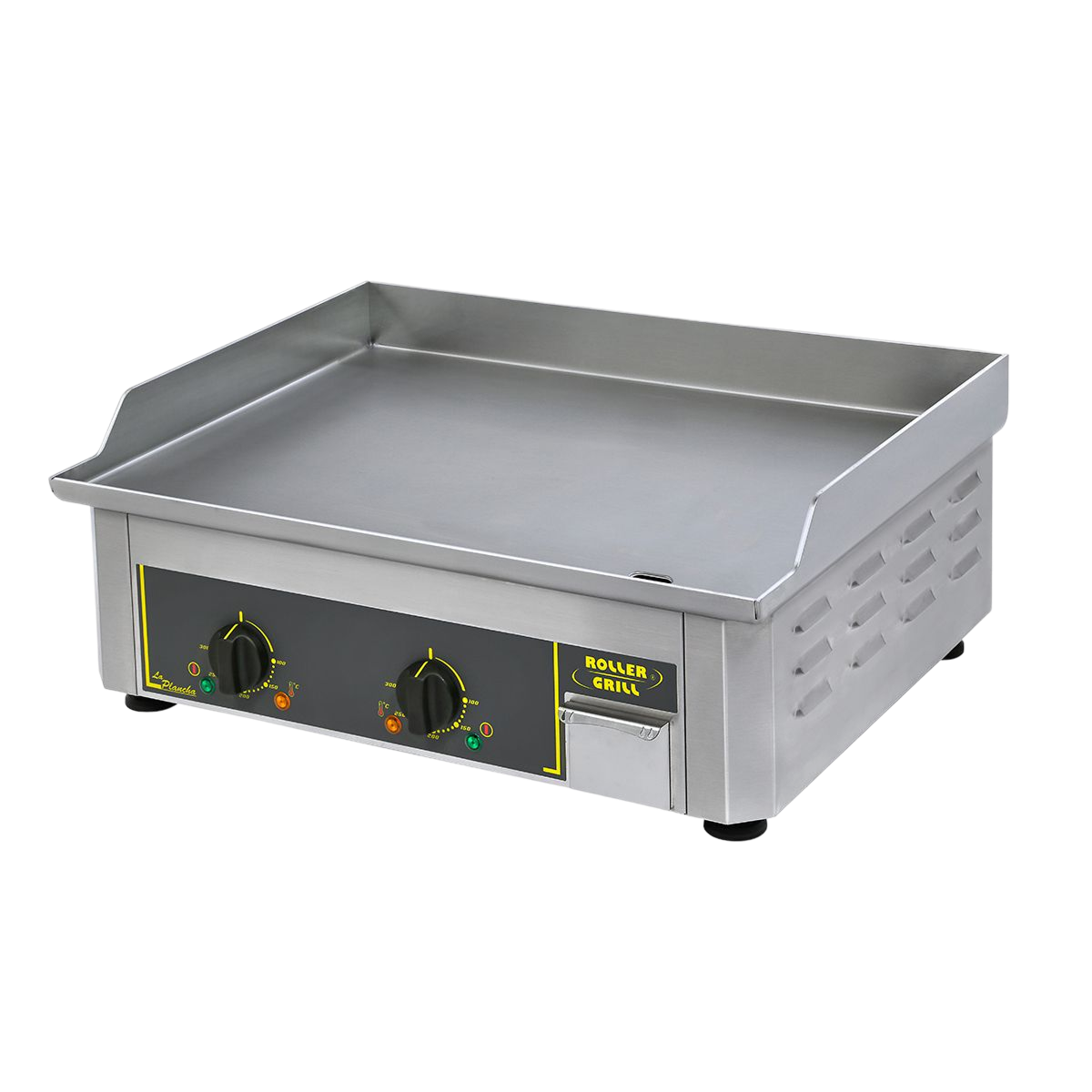
The electric or gas plancha is becoming increasingly popular in Europe and around the world.
Neglected in the 20th century in favour of grills of all kinds such as the charcoal barbecue, the pierrade, the non-stick plate and later the electric barbecue, the plancha was reborn in the 2000s with the growing quest for easy, pleasurable cooking among lovers of good food. Deeply rooted in Spanish culture and in the south of France, the electric or gas plancha conquered new southern regions. It then spread across Europe and the world thanks to tourists enchanted by their experience of plancha cooking during their holidays. The plancha has made itself at home in gardens, on terraces and on balconies. It even has a dedicated place in the summer kitchens of cooking enthusiasts.
Plancha cooking is now synonymous with healthy, varied and convivial cuisine.
First seen as an alternative to barbecues, the plancha is gradually replacing every grill that puts food in direct contact with the flames. Plancha cooking, with no direct contact with the heat source, is healthier. With a minimum of fat, the electric or gas plancha can be used to cook any food, from marinated king prawns to rib of beef, by way of mussels, skewers and pan-fried vegetables. The plancha’s convivial side wins over children and adults alike for a moment of sharing with family or friends. All the guests delight in taking part in this open-air cooking. At the end of the meal, the easy-to-clean plancha banishes memories of the never-ending chore of cleaning barbecues, now relegated to the back of the garage.
The professional plancha is now earning its stripes among head Chefs.
Since the 20th century, catering professionals have been using large cooking plates built into a cooking range. In search of new recipes and innovative cooking techniques, head Chefs then developed the notion of “searing”, in other words cooking food at high temperature on a cooking plate. In the early days, people spoke of the “griddle plate”. But, depending on the region, the term “professional plancha” became more common than “griddle plate”. The professional plancha is now commonplace in restaurant kitchens in France and abroad. Indeed, it is not unusual to see “Fish à la plancha” or “Duck breast cooked plancha-style” on restaurant menus.