


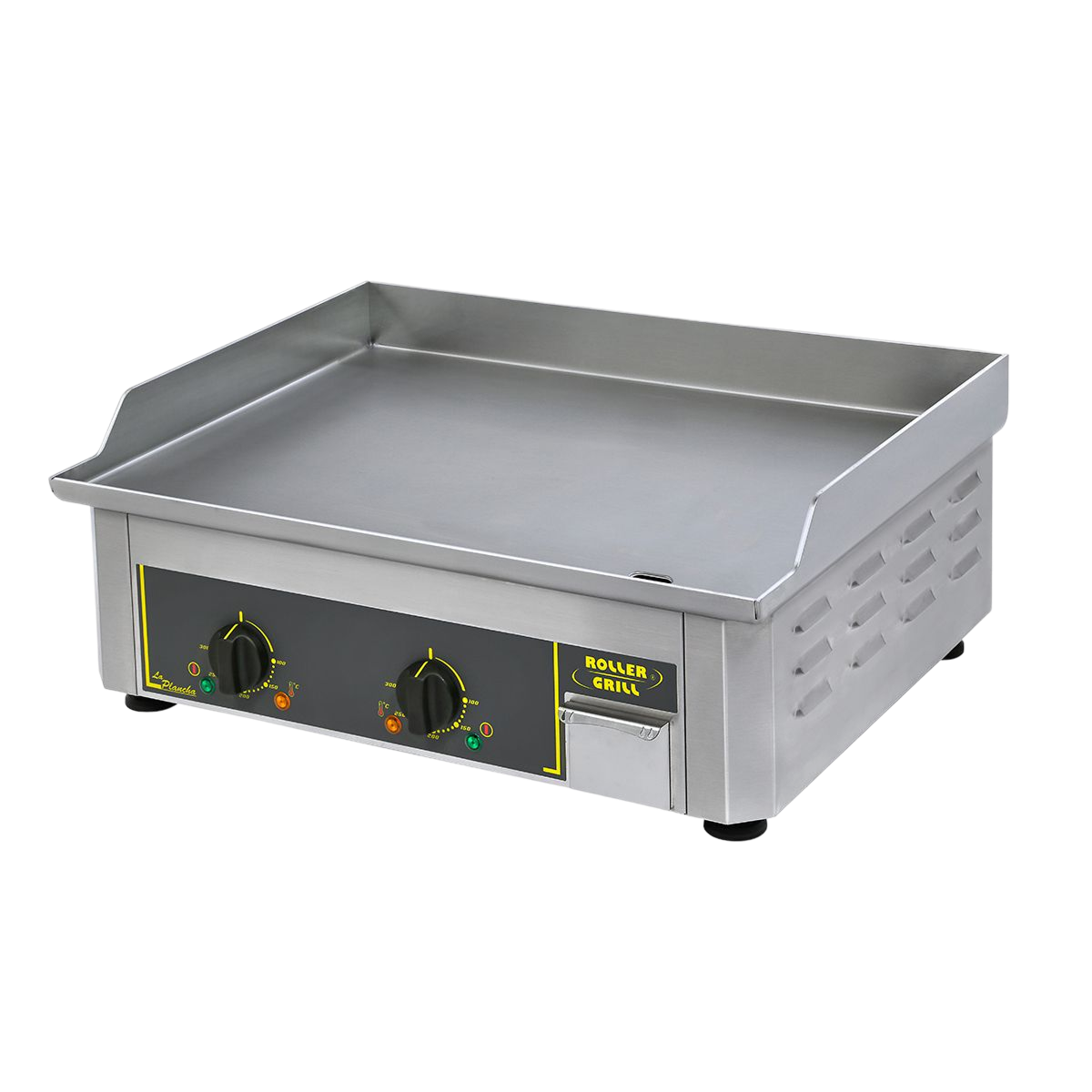
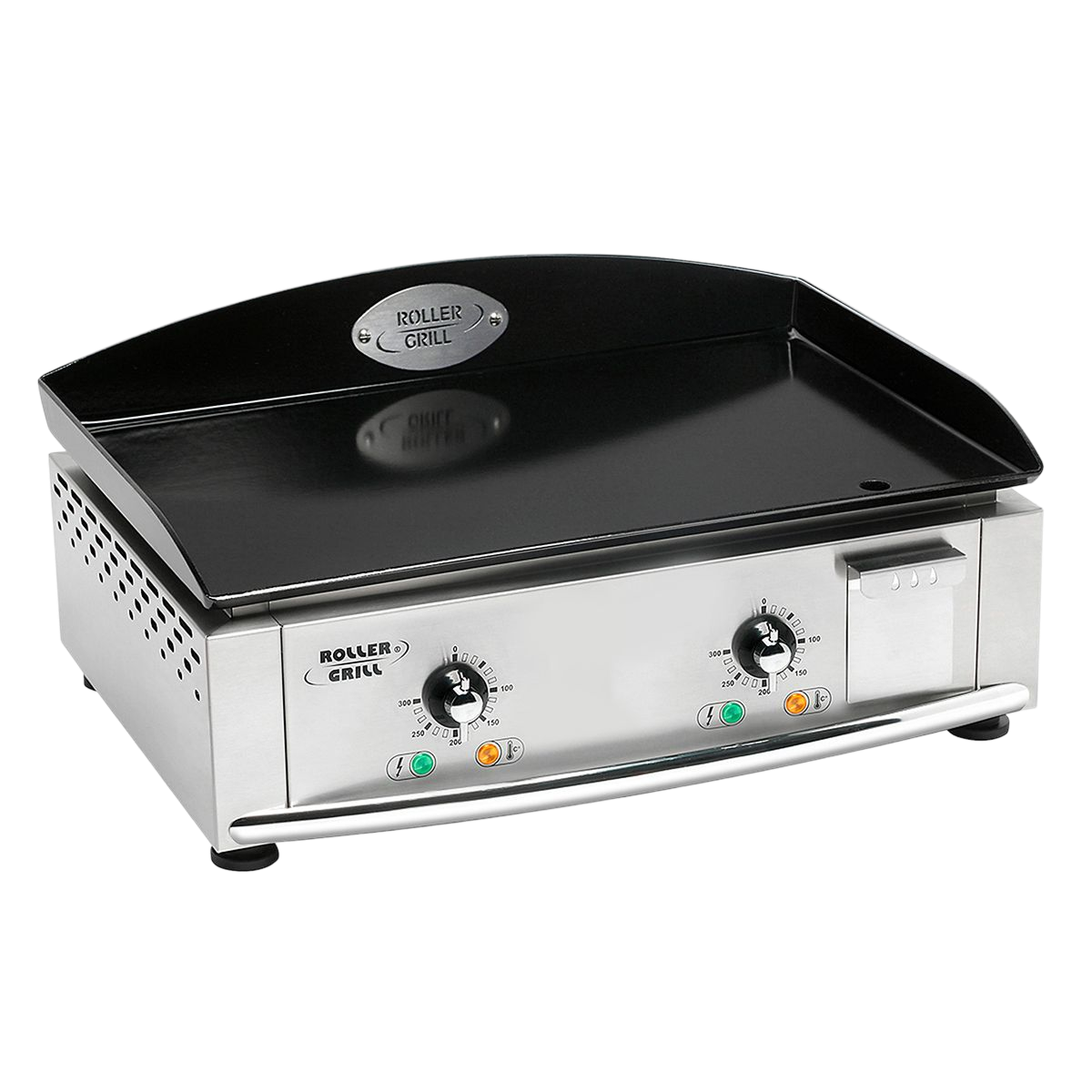
The smooth griddle plate is the best surface for plancha cooking.
On a smooth griddle plate, a beautiful Maillard reaction is the sign of perfect cooking.
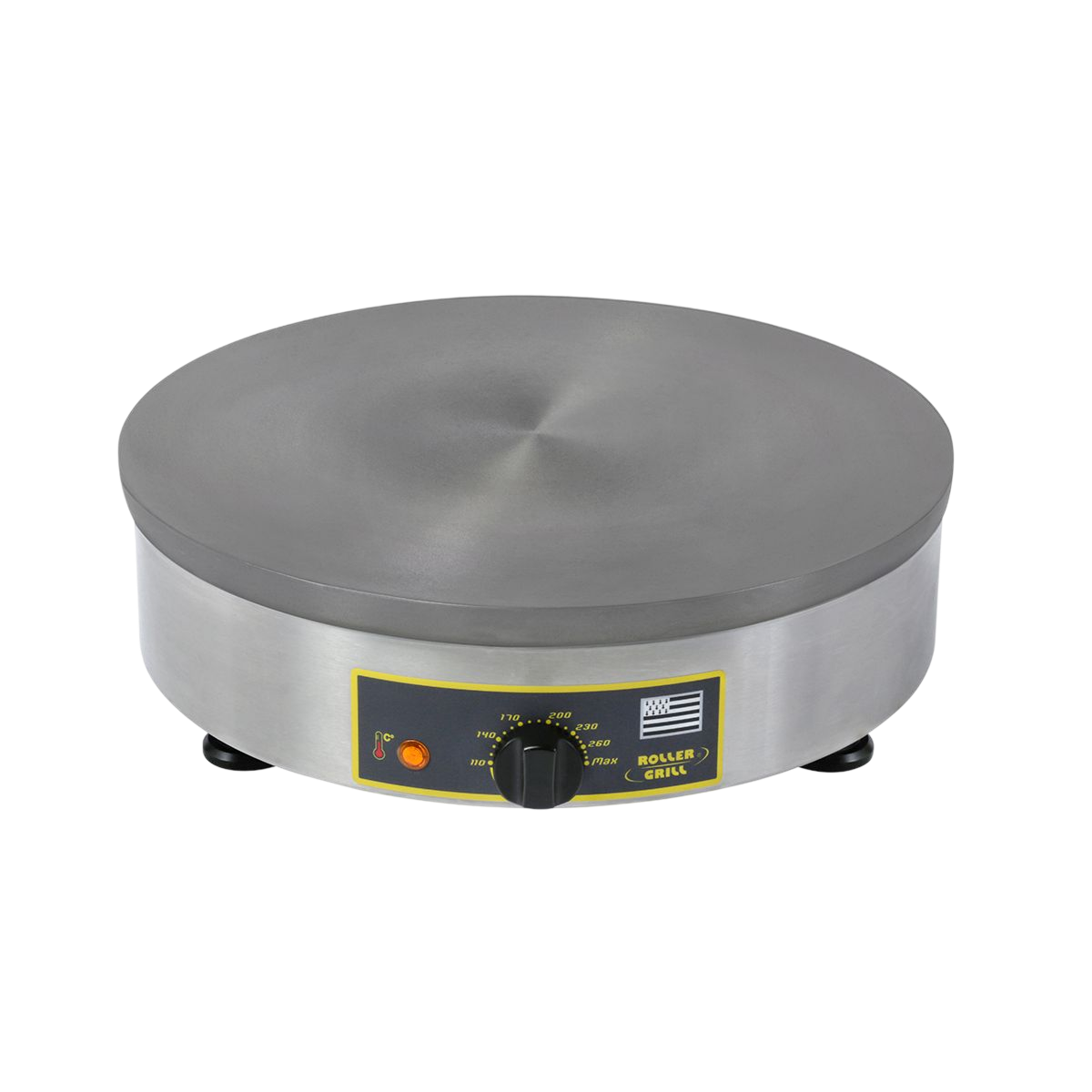
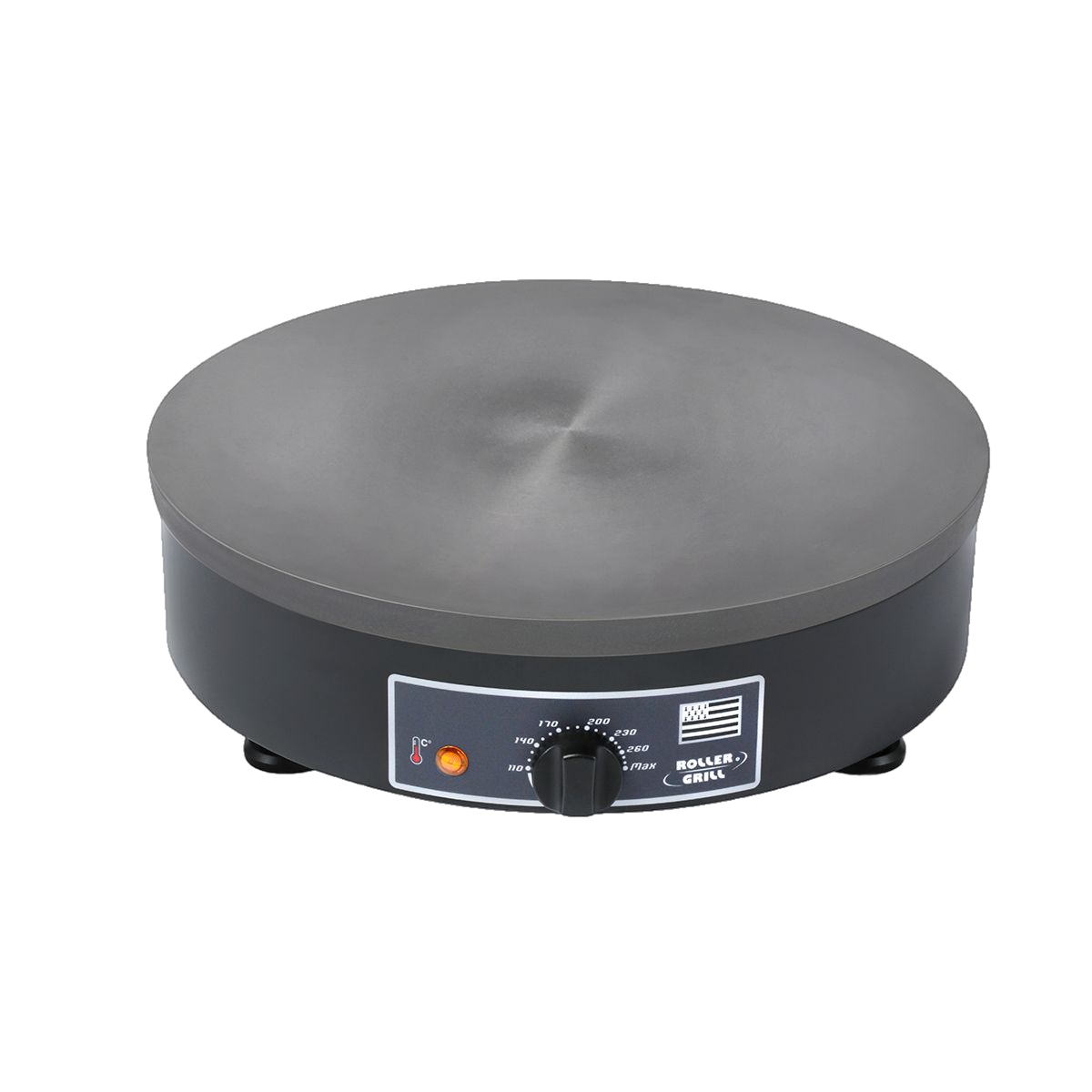
The smooth griddle plate is the ideal surface for successful plancha cooking. The smoother the plate, the better the food can adhere to the cooking surface and the better the heat transfer to the products being cooked. The Maillard reaction, a key cooking test among chefs, is the best illustration of this contact cooking method. This chemical reaction corresponds to the action of sugars on amino acids through the browning of the product cooked at high temperature. Plancha cooking is perfectly mastered when the Maillard reaction creates a uniform brown “crust” on the meat or fish. This kind of caramelisation develops the flavours, aromas and texture of the meat or fish. By simply deglazing, the juices released during browning can be used as a base for a sauce or a simmered dish.
A smooth plate allows for highly varied cooking.
Unlike a barbecue or a grill, a smooth plate lets you cook all kinds of food, even the thinnest or most delicate, such as: searing squid or a fish fillet, cooking a paella, sautéing julienned vegetables, preparing a marinade and so on. A sufficiently thick smooth enamelled or steel plate has the good thermal inertia needed to cook fine cuts of meat such as an entrecôte or a rib of beef. The smooth plate of a plancha thus offers the most varied cooking. The different cooking styles are perfectly controlled thanks to the independently adjustable cooking zones.
Whether it runs on electricity or gas, a smooth plancha makes using and cleaning the plate even easier.
An electric or gas griddle plate is already simple to use. The gas plancha lights easily thanks to the piezo ignition. The heating power of the burners is adjusted with a simple control knob. Likewise, the power of an electric plancha is regulated by thermostat. A smooth plancha is all the easier to use and maintain when the plate is pressed in a single piece with raised edges on the sides. Unlike ribbed plates or grills that need scouring with a scraper, the smooth plate is easily cleaned with a simple wipe of a sponge or a spatula. Cooking residues are thus cleared away more quickly towards the grease collection tray.
The ribbed plate is appreciated for searing marks on meat, but rather on a contact grill.
The only advantage of a ribbed griddle plate is the grill marks.
The grooves of a ribbed griddle plate do not allow a beautiful Maillard reaction: the points of contact between the plate and the product are not as numerous as on a smooth plate. Cooking is therefore not perfectly even. The ribbed surface is mainly reserved for large cuts of meat or fish. It can cook a rib of beef or a tuna steak with beautiful “ten past ten” grill marks. This is more of an aesthetic advantage than one of taste.
A ribbed plate is used more on a contact grill than on a plancha.
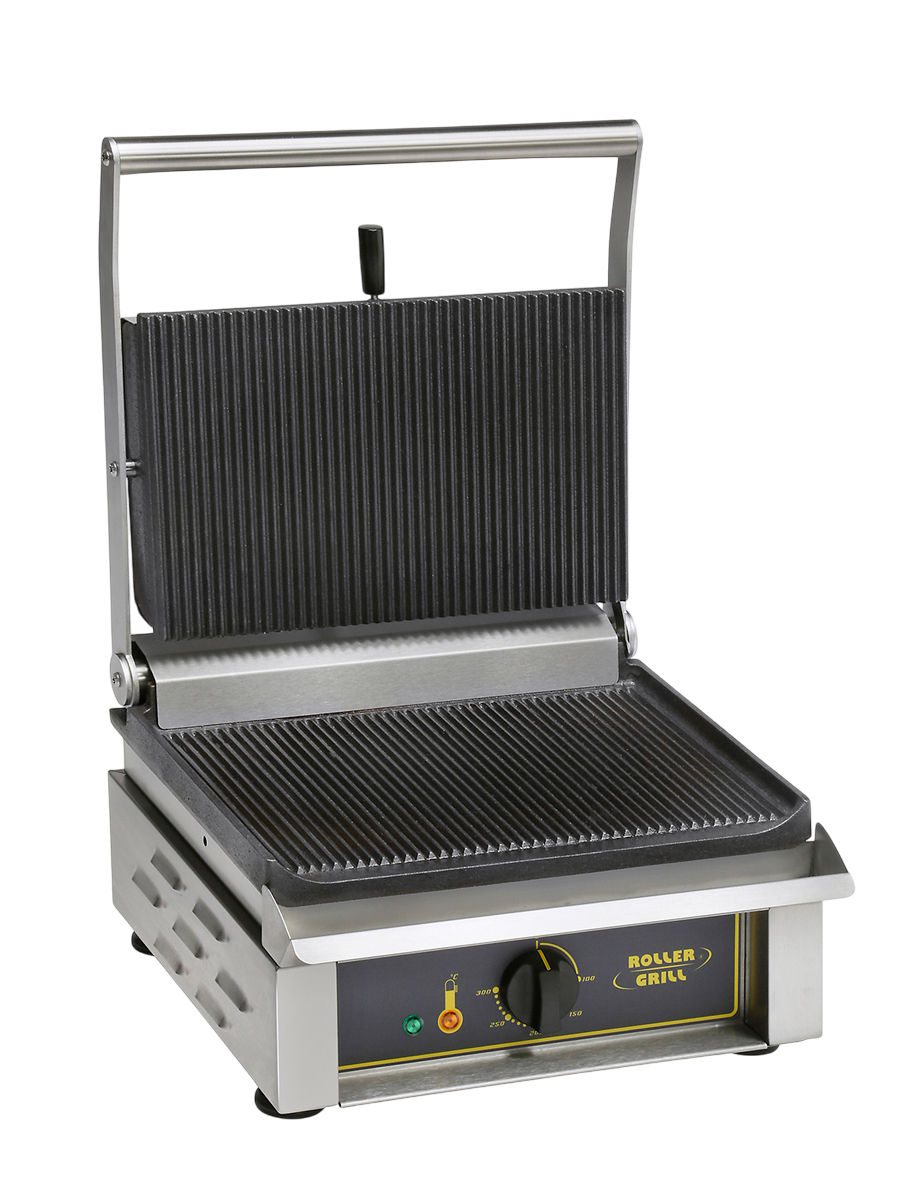
The ribbed plancha is fairly rare on the market. In professional kitchens, grooves are very common on contact grills, but seldom on planchas. Catering professionals mainly use the ribbed plates of contact grills for marking meats or sandwiches. These contact grills equip all players in the fast-food sector for toasting and pressing sandwiches such as panini. Catering professionals favour cast iron contact grills with a lower smooth plate for easy cleaning, and an upper ribbed plate for marking meats, fish and sandwiches. More commonly known as a “meat grill” or “grill press” in the domestic market, this cooking appliance with two heating plates can also cook right through pieces of meat or fish, barbecue-style. However, nothing beats a smooth griddle plate for a rapid rise in temperature and perfectly even, varied plancha cooking.