


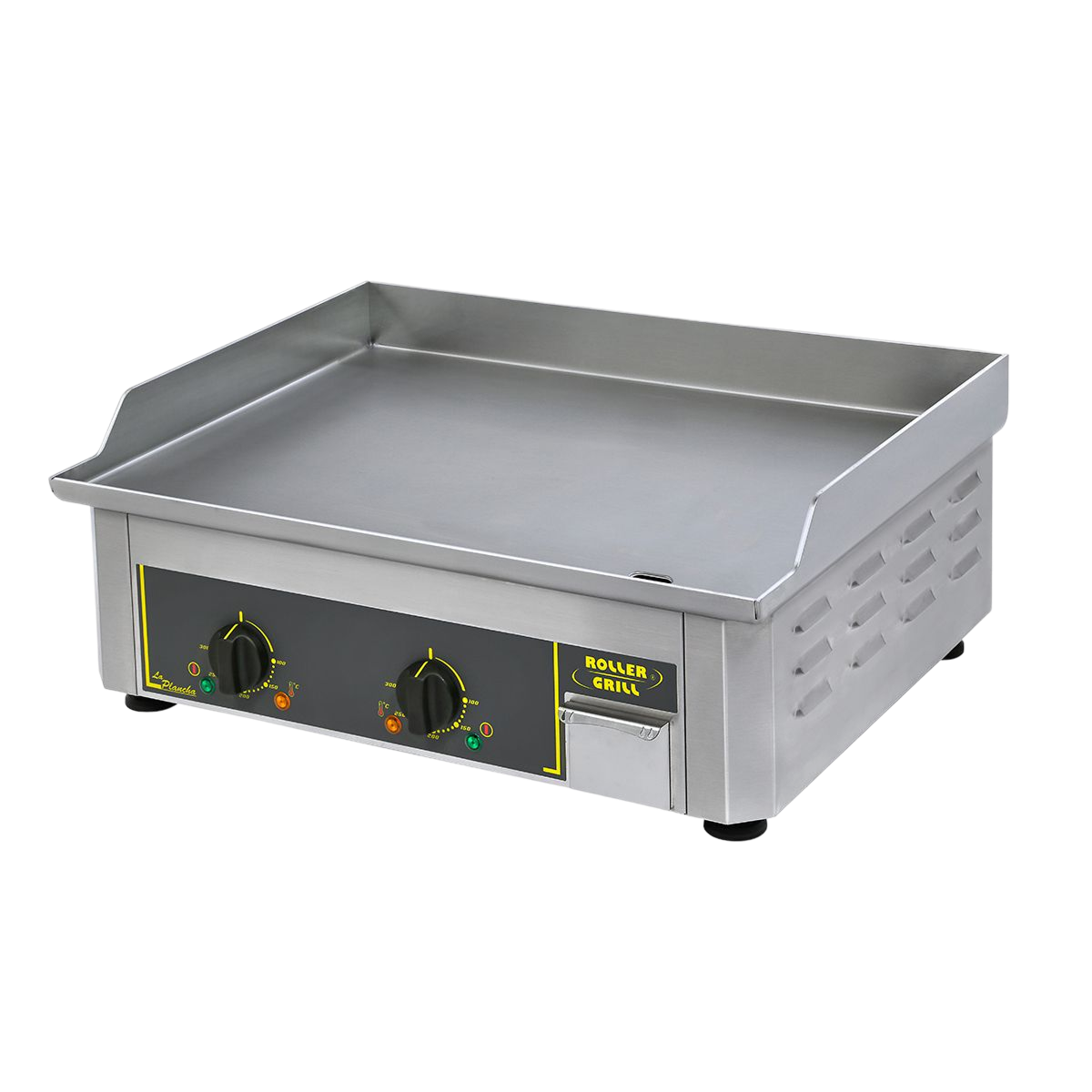
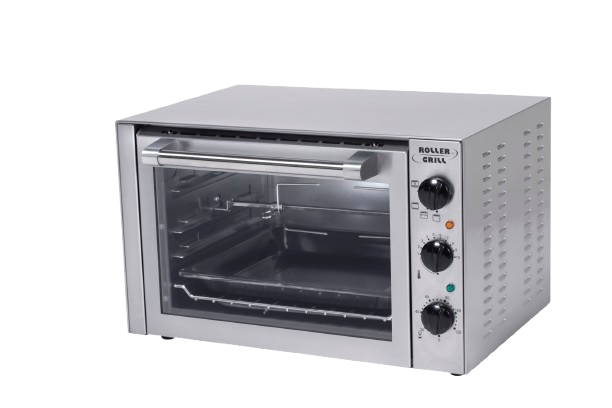
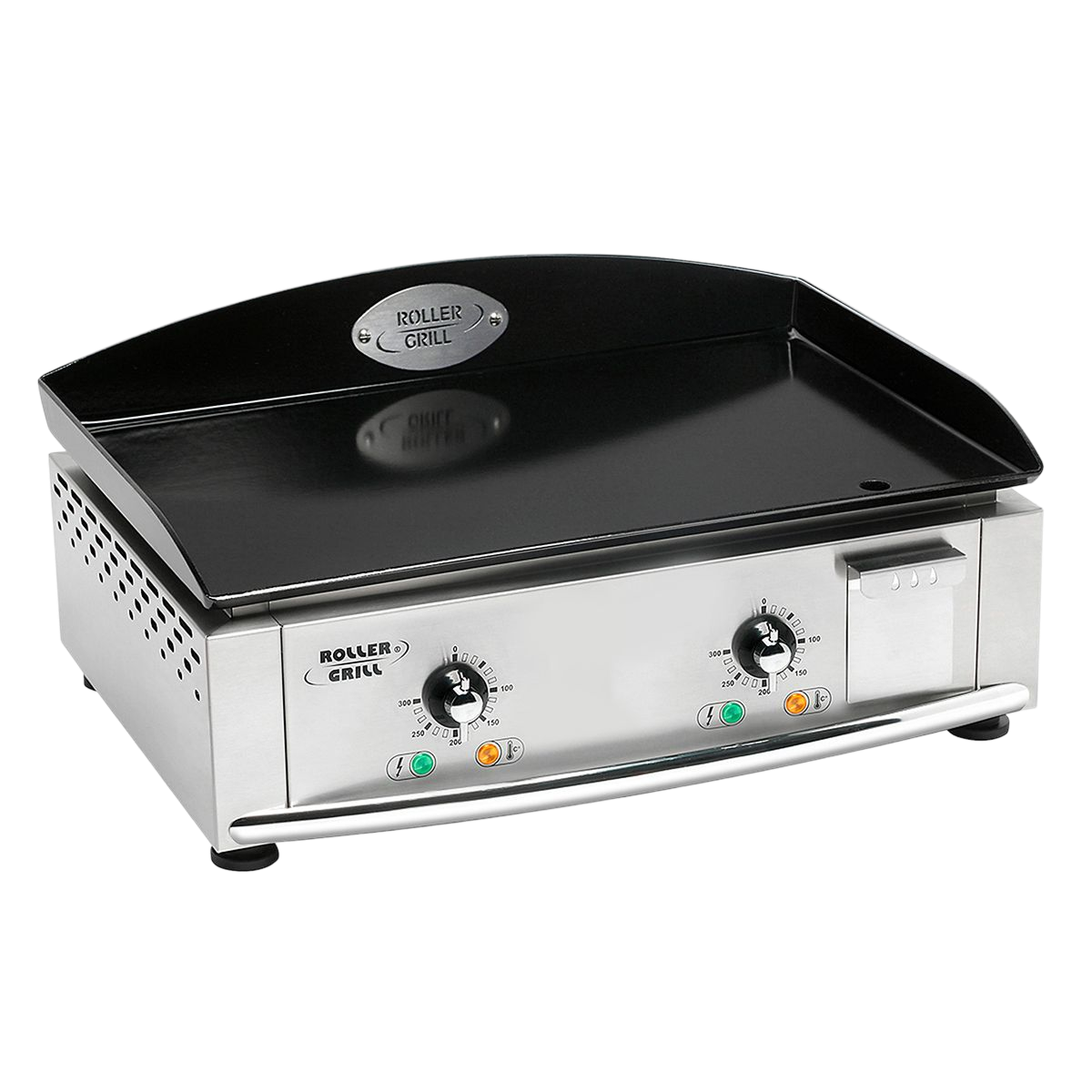
At first glance, the chrome plancha and the teppanyaki look like two similar cooking plates.
Plancha and teppanyaki literally offer the same cooking method.
Plancha means “board” in Spanish. It is a heated plate designed for grilling. Teppanyaki is a Japanese term: it is a contraction of the Japanese words “teppan” (iron plate) and “yaki” (grilled), in other words “grilled on the plate”. By definition, plancha and teppanyaki represent the same cooking method: contact cooking on a heated plate.
The chrome plancha and the teppanyaki work in the same way.
The chrome plancha and the teppanyaki are both cooking plates characterised by a smooth chrome surface. On a large plate, the plancha, like the teppanyaki, has two cooking zones that can be adjusted independently via an adjustable thermostat. In both cases, the heating power can be set to grill, sear or keep warm food that is already cooked. The temperature rise is fast, taking less than 10 minutes. Heat distribution is ensured across each cooking zone thanks to heating elements fixed beneath the heated plate. The perfectly smooth cooking surface provides excellent heat transfer from the heat source to the product being cooked. The chrome plancha and the teppanyaki offer the finest cooking quality.
And yet, the chrome plancha and the teppanyaki show some real differences.
The history of the teppanyaki differs from the origins of the plancha.
The plancha has nomadic origins, partly in Latin America and above all in the pilgrimages to Santiago de Compostela from the end of the Middle Ages. The history of the teppanyaki, which is more recent, began in the Land of the Rising Sun. The creation of the teppanyaki is attributed to the Japanese restaurant chain Misono in Kobe, Japan, in 1945. In a curious twist of history, this style of cooking was originally intended to satisfy a very specific clientele: the American army. American servicemen, missing their traditional Sunday barbecue and unaccustomed to Asian cuisine, demanded well-grilled meat just like back home in the United States. The “wagyū” beef steak (“grilled”), typical of Kobe, thus became the signature dish of the teppanyaki.
Two cooking plates designed quite differently.
Despite identical cooking results, the chrome plancha and the teppanyaki are completely different in design. The plancha has stayed true to its nomadic origins, with the option of carrying it or moving it around on a plancha trolley. This griddle plate is mainly used outdoors for a convivial meal on the terrace or in the garden. It is a cooking plate mounted on a stainless steel frame and fitted with burners or heating elements. This type of plate varies in thickness depending on the coating (from 4 to 10 mm). A chrome plancha is a chrome-plated steel plate: it is coated with a layer of chrome around a micron thick. This chrome coating is often confused with hard chrome, which is specific to the teppanyaki and out of the question for a plancha. This very expensive material would multiply the price of the plancha tenfold! A chrome plancha therefore cannot be a teppanyaki! The teppanyaki is a highly resistant hard chrome plate, 20 mm thick. It is built into a central worktop or a kitchen island. It is a piece of equipment for catering professionals. This cooking appliance is not used outdoors. The true hard chrome teppanyaki is found only in professional kitchens.
Southern cuisine is to the plancha what fusion cuisine is today to the teppanyaki.
The plancha is prized for its southern cuisine: a drizzle of olive oil, sea fish, skewers of meat and fish, vegetables such as aubergines, tomatoes and peppers, all enhanced with a few herbes de Provence… And all the Mediterranean aromas come to life through this healthy cuisine! Plancha cooking varies between 180°C and 250°C depending on the products being cooked. The plancha also lets you sear at high temperature with a minimum of fat. It is also possible to reheat cooked food at 100-150°C.
With the teppanyaki, cooking generally takes place at high temperature (around 250°C) on a large, thick plate. Originally, it is a style of cuisine. Japanese cooking on a teppanyaki requires just a simple drizzle of soybean oil. The foods traditionally cooked on this plate are Kobe beef steaks, imperial prawns, shitake (Japanese mushrooms) and so on. Okonomiyaki, a kind of savoury pancake, yakisoba noodles and monjayaki pancakes are all Japanese specialities prepared on a teppanyaki. Since the 1980s and 1990s, the teppanyaki has been becoming more Western: it is now associated with “fusion cuisine”. This culinary trend offers subtle and delicious combinations of traditional Japanese ingredients and more Western foods such as eggs, chicken and vegetables. Often, these are also traditional dishes revisited using the culinary techniques of another culture.
The pleasure of plancha cooking outdoors versus teppanyaki show cooking at the restaurant.
Plancha cooking is feel-good cooking: a convivial meal with friends or family at the bottom of the garden, on the terrace or beside the pool. Guests can easily try their hand at plancha cooking during the meal. It is a cuisine of sharing and exchange, where calm and joie de vivre reign. Restaurateurs also use the plancha, but indoors in their professional kitchens.
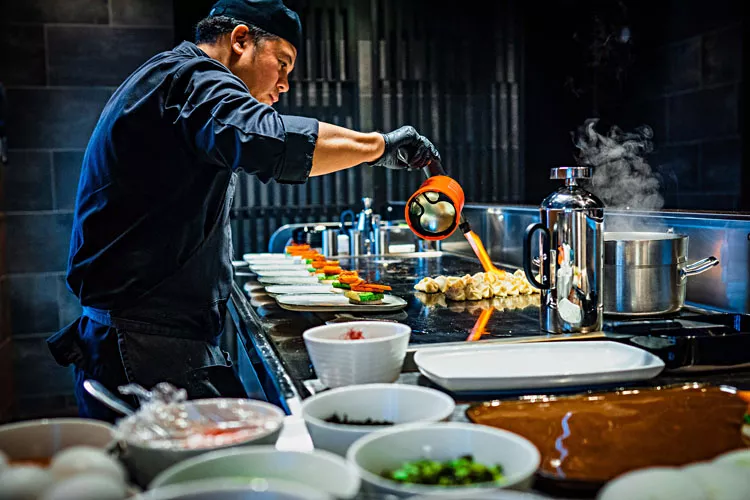
The teppanyaki, for its part, offers cooking on an entirely different scale. Any French-speaking film lover will remember the Japanese chef performing before the astonished eyes of food critic Charles Duchemin, played by Louis de Funès in the film “L’aile ou la cuisse” (“The Wing or the Thigh”, 1976): “From sukiyaki to teppanyaki, by way of sashimi and shabu shabu… everything jumps, spins and flies before your eyes, before miraculously landing on your plate.” This scene is not just a quirk of Claude Zidi’s comedy. It really is true. Yes indeed, the teppanyaki is a genuine gastronomic show! This “show cooking” side of the teppanyaki did in fact develop in the United States. In the 1960s, the Japanese wrestler Hiroaki “Rocky” Aoki sensed the full potential of this healthy cuisine. He emigrated to New York in 1964 and opened the first restaurant of the Benihana chain, which went on to become the symbol of the teppanyaki. This restaurant chain transformed teppanyaki cooking into a dinner show — something that did not exist in Japan at the time! The chef cooks on a large cooking surface in front of guests seated around the worktop. Customers watch the preparation and cooking live. The chef turns into an acrobat and brings to life a genuine show orchestrated by three essential rules: “Push, slice and dice”: the chef makes his knife blade ring out on the plate to catch the guests’ attention. He then cuts his first ingredients into sashimi. Next, he gathers up his grilled ingredients, sends them flying through the air and catches them with his spatula before dividing them into portions to serve to the guests. Some dishes lend themselves wonderfully to show cooking, depending on the creativity of the “teppan master”: the smoke rising from an “onion volcano” of stacked onion rings, an egg tossed into the air and cut into equal parts with the spatula, or the twirling carving of prawns landing on the guests’ plates.
In conclusion, similar in appearance and often confused with one another, the chrome plancha and the teppanyaki are two cooking plates that are quite different in both design and cuisine. The plancha is above all outdoor cooking, a convivial meal with family or friends. The teppanyaki is a blend of Japanese precision in the cooking and Western exuberance in its theatrical staging. It is the art of delighting the palate and amazing guests at the restaurant.
To find out more:
- Stainless steel or enamel plancha, which should you choose?
- What is the best stainless steel plancha ?