French manufacturer of professional kitchen equipment since 1947
French manufacturer of professional kitchen equipment since 1947
French manufacturer of professional kitchen equipment since 1947

In days gone by, blinis were served for religious festivals or pagan rituals, such as the celebration of the winter solstice for example. With their round shape and golden colour, blinis represented the sun. At the end of winter, during “Butter Week” or “Maslenitsa”, also known as “pancake week”, blinis were prepared to honour the rebirth of the new sun.
Blinis are of Russian origin and indeed rank among the most popular and most widely eaten dishes in Russia.
Originally, blinis were made from a sourdough batter diluted with water or milk.
Today, the composition has evolved: it is an unleavened batter made from flour, eggs and milk.
Even though a great many people enjoy blinis plain, you can still top them with sweet or savoury foods.
The sweet version for breakfast: butter, jam, honey or chocolate spread.
The savoury version for brunch: with lemony salmon and crème fraîche.
Most often covered with a topping, blinis can also be filled. Before cooking, you can add grated potato to the batter for a savoury version, or pieces of apple for sweet cravings.
There are many blini recipes, all different! It is in their thickness, diameter and type of flour that they differ.
If you want to make blinis easily, mix the yeast and the milk. Then leave to rest at room temperature for 5 minutes, make a well with the flour and place the salt, yeast and egg yolks in the middle. Remember to mix well, gradually adding the milk. After leaving the batter to rest for 4 hours, whisk the egg whites until stiff and fold them gradually into the mixture.
To cook blinis, you need to melt some butter in a pan, then remove the excess butter with kitchen paper. Pour a small ladleful of batter into the preheated pan and leave to cook until the surface of the batter has become dry. Then flip the blini over and continue cooking the other side. And there you have it!
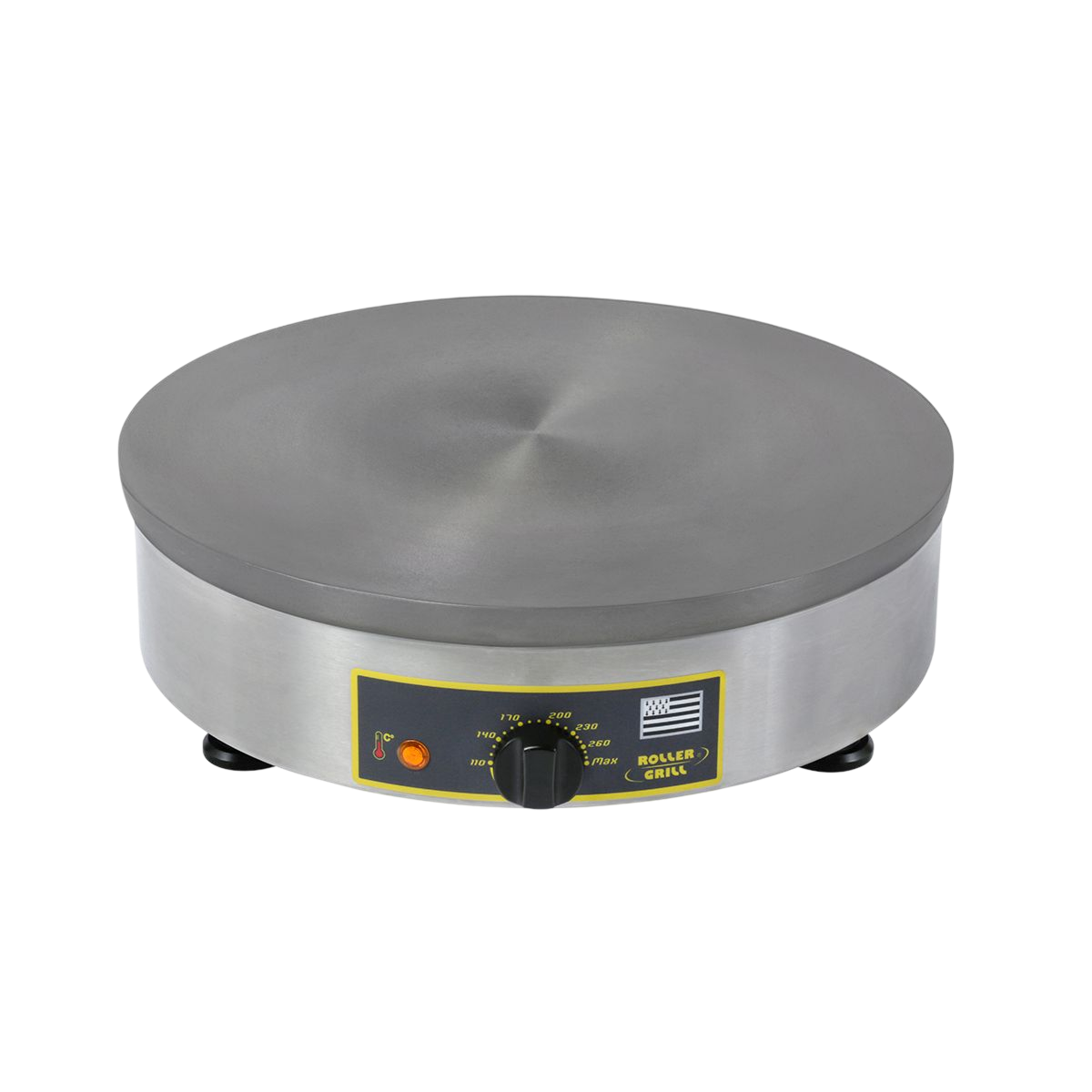
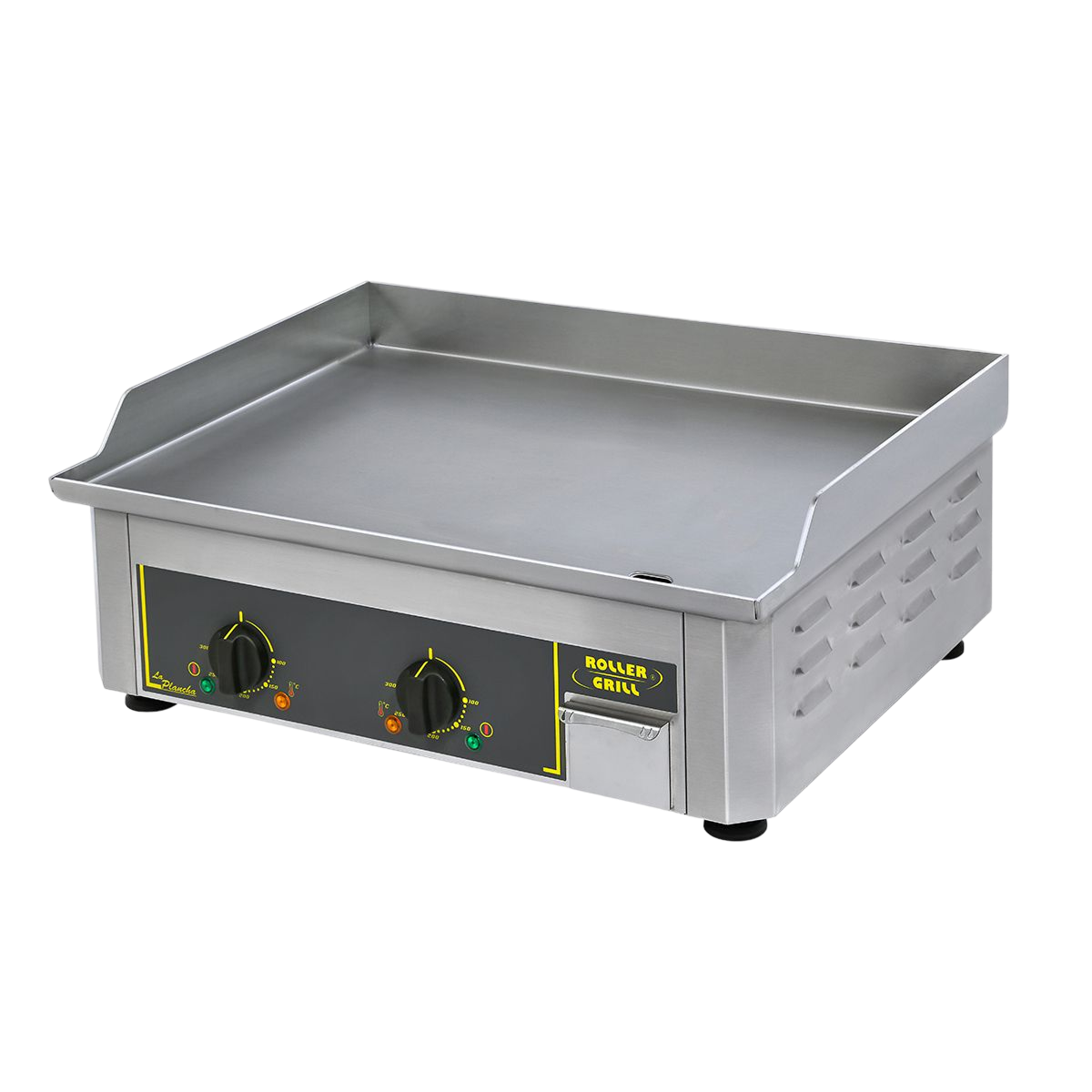
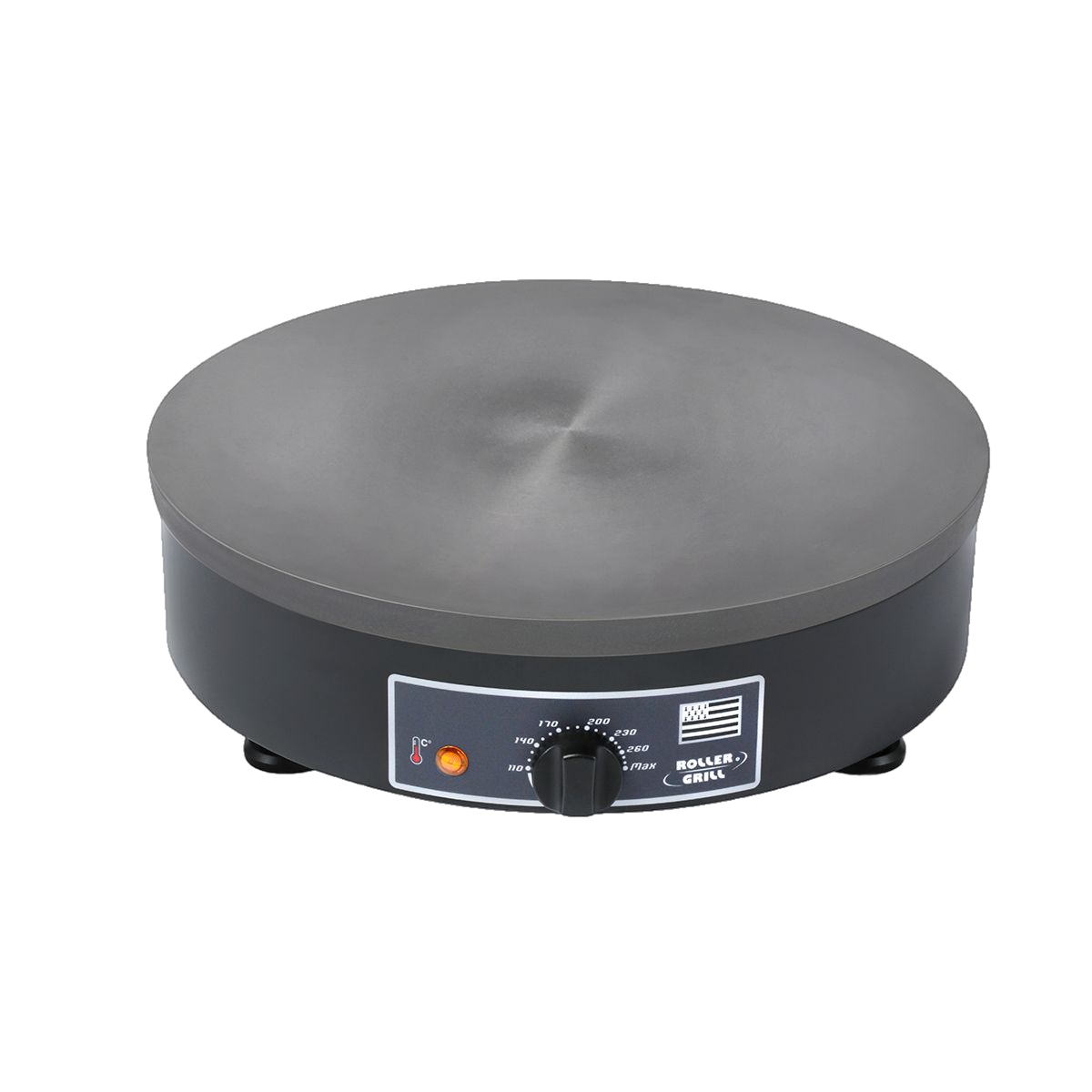
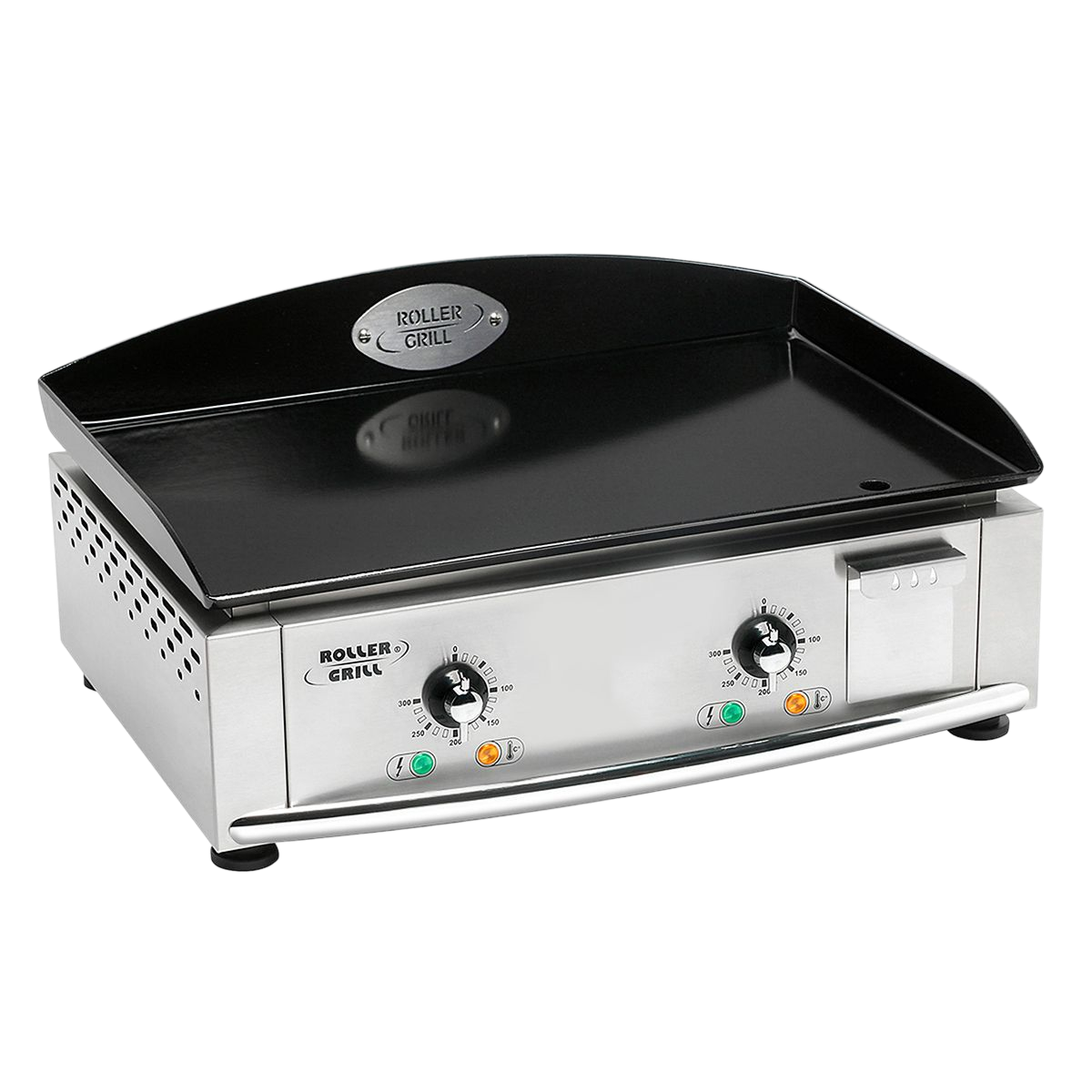
You can do the same on an electric or gas crêpe machine after lightly oiling the cooking surface. The advantage of this appliance is that you can cook at least 6 blinis at a time!
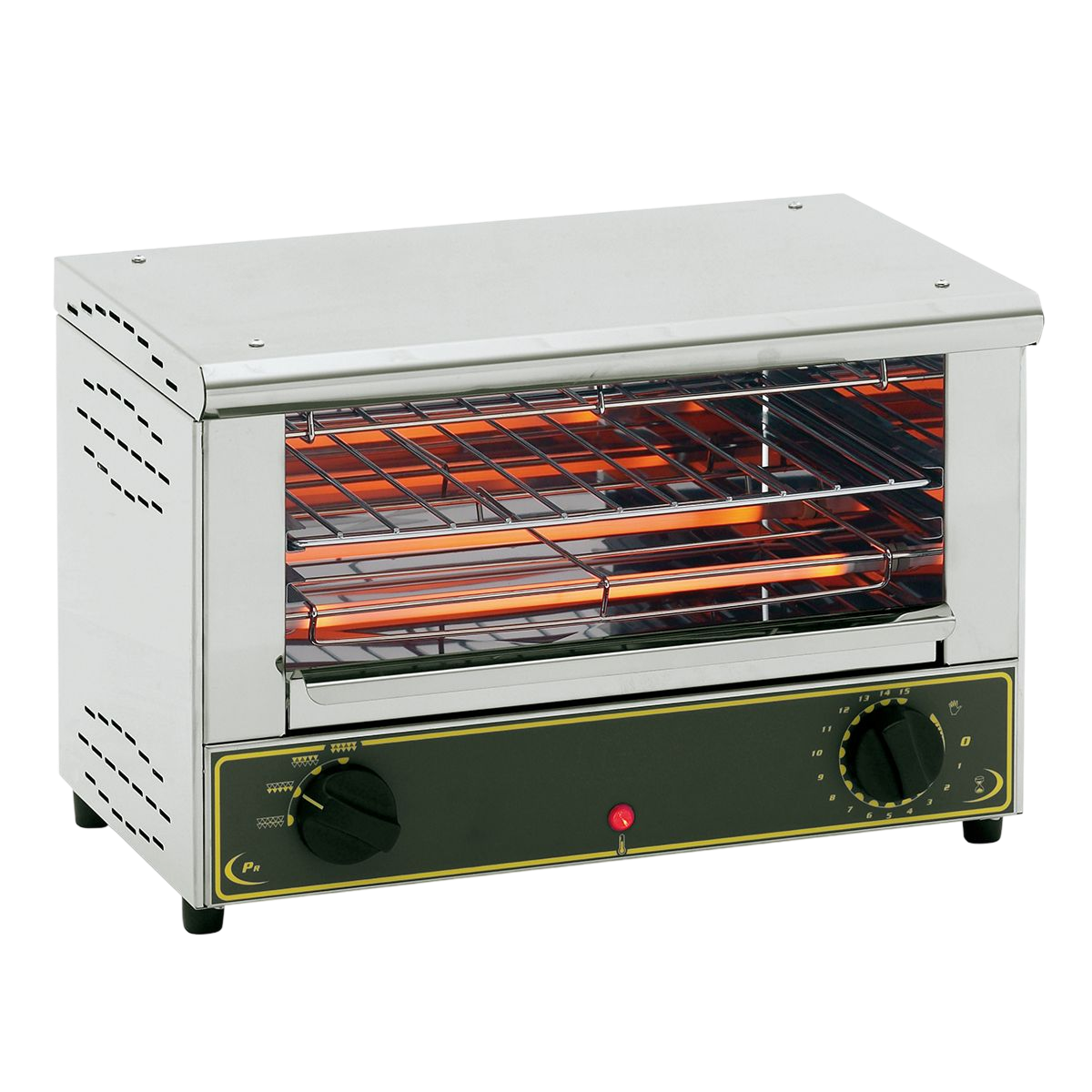
Before enjoying your blinis, it is advisable to warm them up in a toaster, in the oven or in a pan. Our Roller Grill infrared conveyor toaster, specially designed for breakfast, is perfect for this!

Blinis are for morning, noon and/or night!
They are generally enjoyed as a starter with smoked salmon, as a main course with the topping of your choice, or as an afternoon snack with something sweet. They are ever-present at Sunday brunches!
Blinis can be found in all the countries of the former USSR, including Russia, Belarus and the Baltic states. You will be able to buy them in almost every supermarket, but lovers of Eastern European gastronomy will prefer the authentic blinis from Russian delicatessens for their unique taste.
They are also enjoyed in France, especially during the festive season, generally as a starter with salmon roe, taramasalata or even caviar.
Compared with French crêpes, blinis are much smaller and thicker. They can be enjoyed as an aperitif, unlike French crêpes, which are favoured as an afternoon snack or dessert.
They are nevertheless alike on one point: they can be topped with anything you like!
Simply mix flour, butter, baker’s yeast, eggs, milk, single cream and salt to make delicious blinis.
You can serve blinis as an afternoon snack, a starter or an aperitif with sweet or savoury toppings, depending on your mood.
Enjoy your blinis with whatever you like: jam, butter, crème fraîche, salmon, caviar etc.
Once they are warmed up, simply place the ingredient(s) of your choice gently on your blinis and then enjoy!
Serve your blinis as an aperitif on a lovely platter… a convivial moment guaranteed!
The first step in cooking your blinis is to melt the butter in a pan, then remove the excess butter with kitchen paper. Blinis can also be cooked on the lightly oiled cast iron plate of a crêpe machine.
You can then pour a little batter into the pan or onto the hot plate and leave to cook until the sides appear “dry”.
If your blinis are fresh, they will keep in the refrigerator for 48 hours, or even 3 or 4 days. Shop-bought blinis, on the other hand, should be kept no longer than the use-by date shown on the packet.
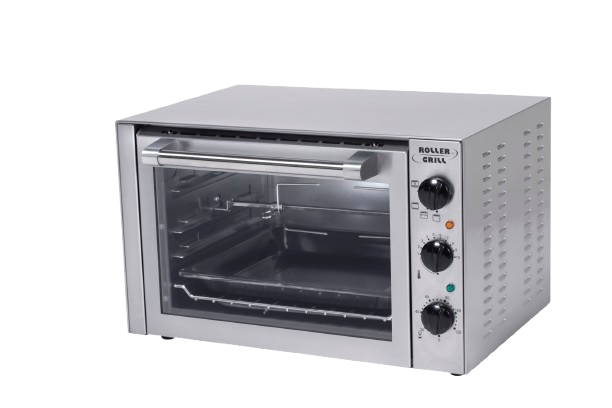
To reheat your blinis, simply place them in a toaster for a few minutes, in a traditional oven for 5 minutes at 210°C (gas mark 7) or for just a few seconds in an infrared toaster.