French manufacturer of professional kitchen equipment since 1947
French manufacturer of professional kitchen equipment since 1947
French manufacturer of professional kitchen equipment since 1947
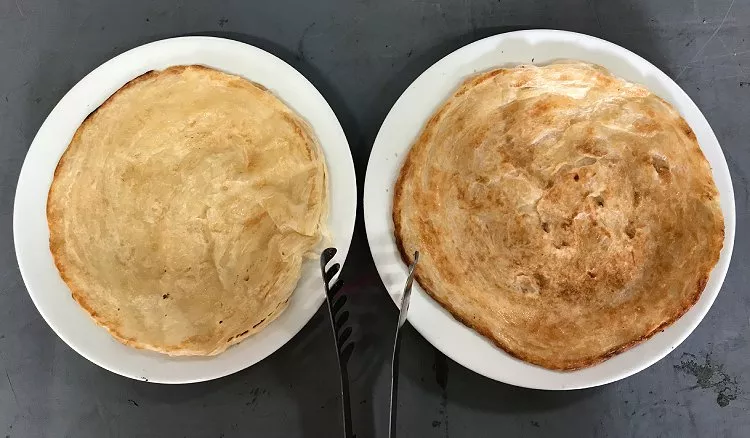
The paratha likes to keep an air of mystery. No precise date is mentioned for the appearance of the first paratha, but several books and scientific articles place the first recipe between 1000 and 1526 AD.
We can also cite the book “Panjāb Under the Sultans” by Njjar, which describes how parathas were eaten by the wealthy and by people of noble rank in the Punjab.
As for the origin of the name, paratha means flatbread.
To make delicious parathas you will need: 150g of wholemeal wheat flour, 50g of white wheat flour, 15cl of lukewarm water, 3 pinches of salt and some sunflower oil.
Start by mixing the two flours mentioned above, add the salt and then make a well. Add the water little by little to form a smooth, firm dough.
If the dough needs more water, add some and keep kneading. After leaving the dough to rest for an hour, shape it into small balls and roll them out on a floured work surface.
Spread oil over one half of each disc and fold it in two over the oiled part. Repeat this several times. Finally, shape into balls again and roll them out to form a triangle.
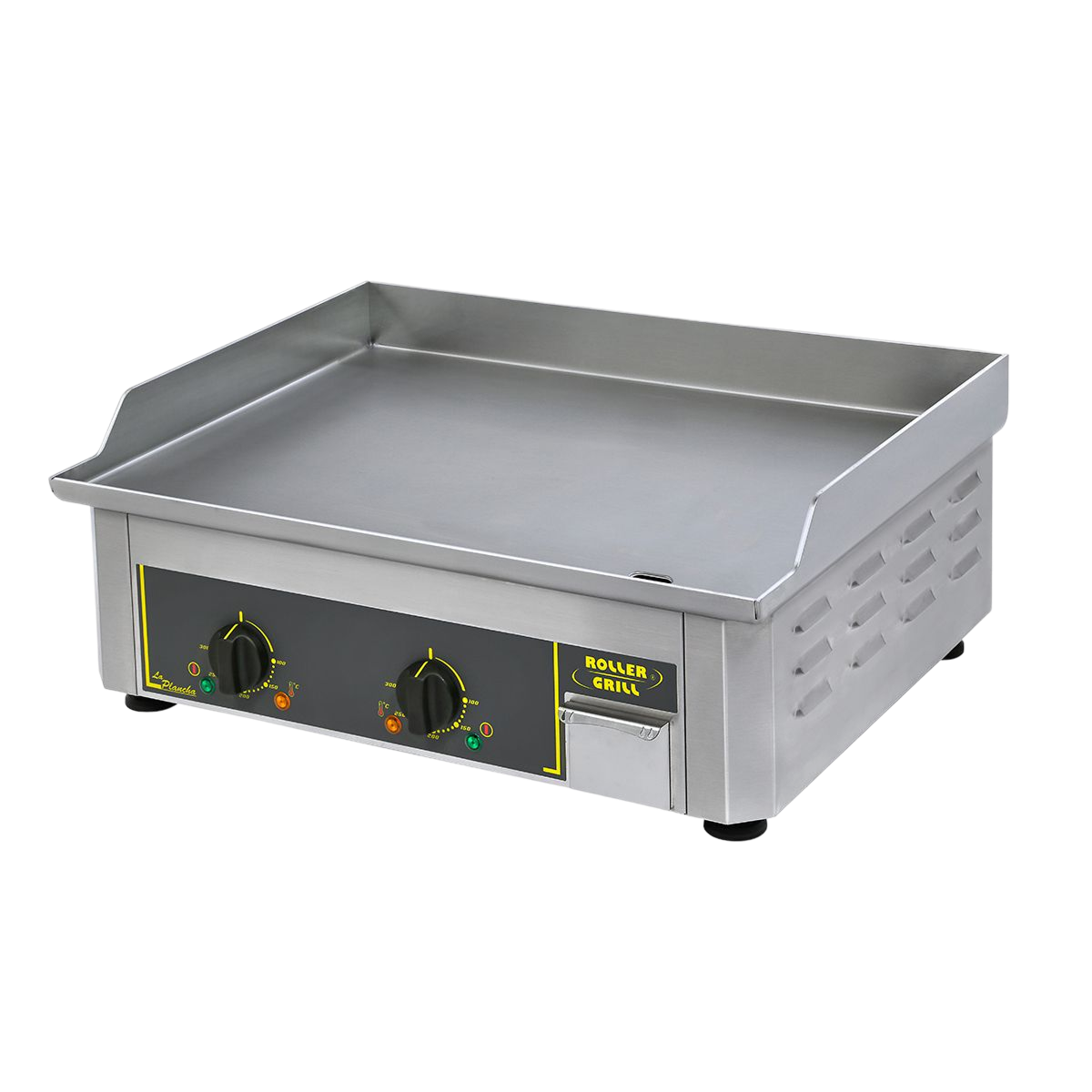
Traditionally, parathas are fried on a tawa, a disc-shaped pan that can be flat or slightly curved.
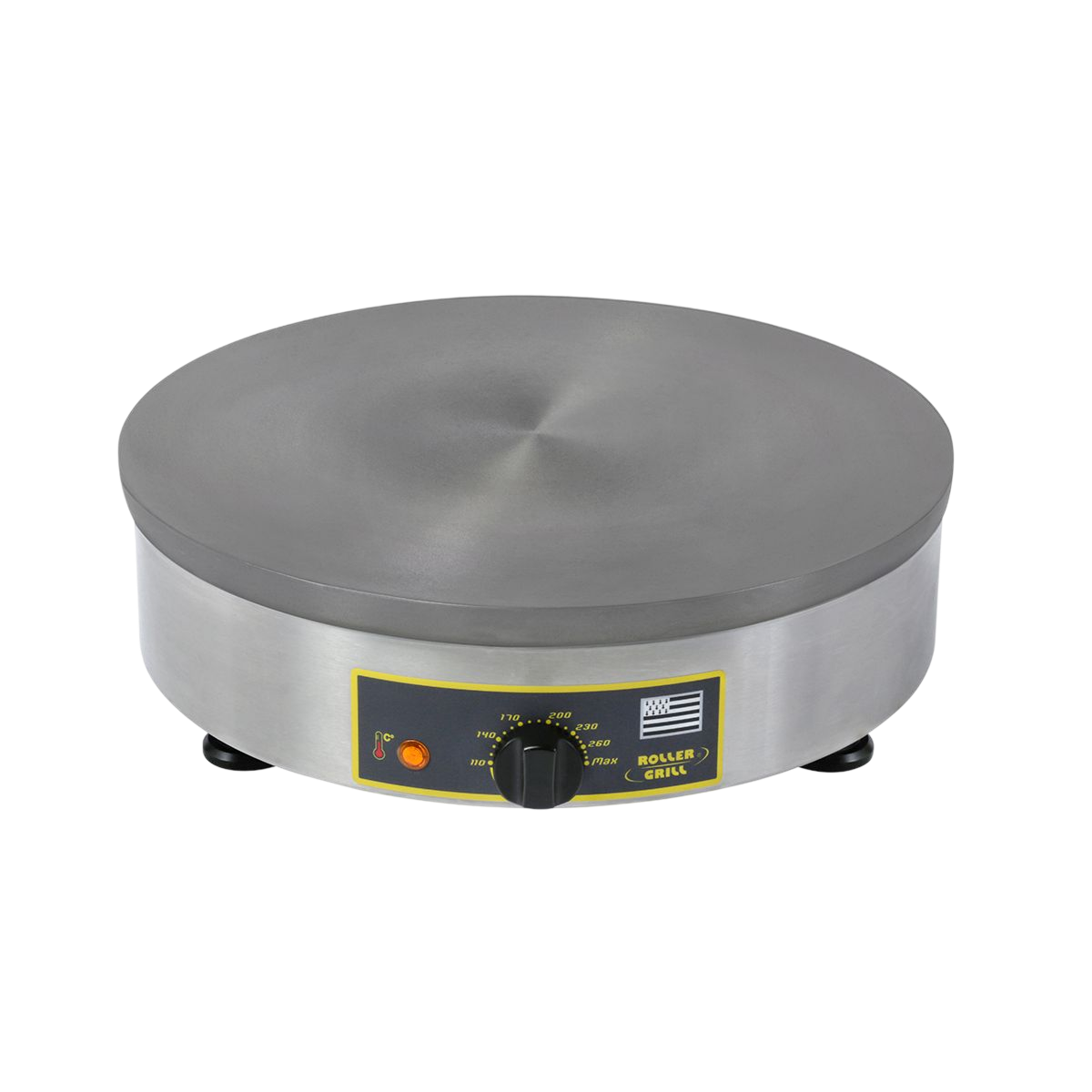
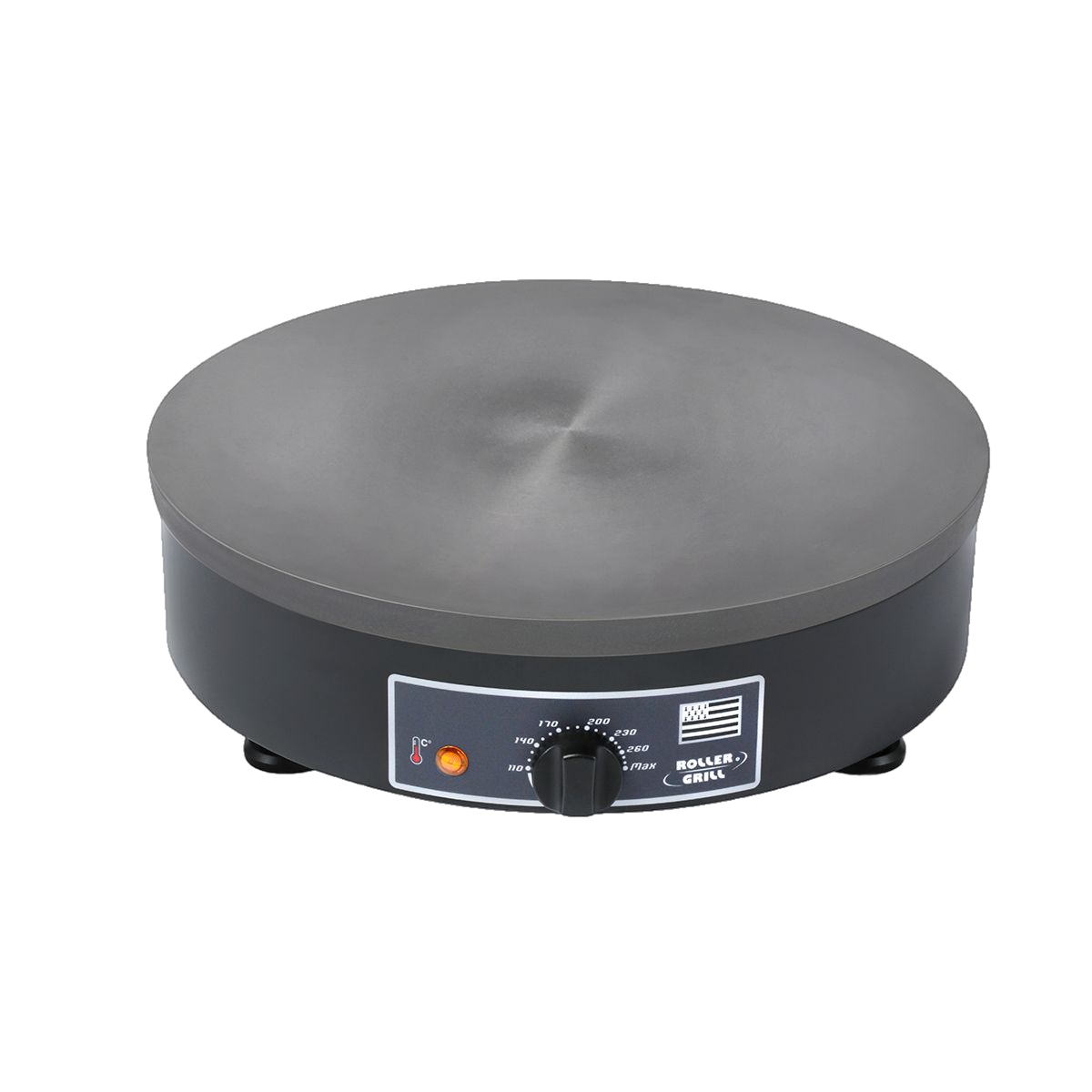
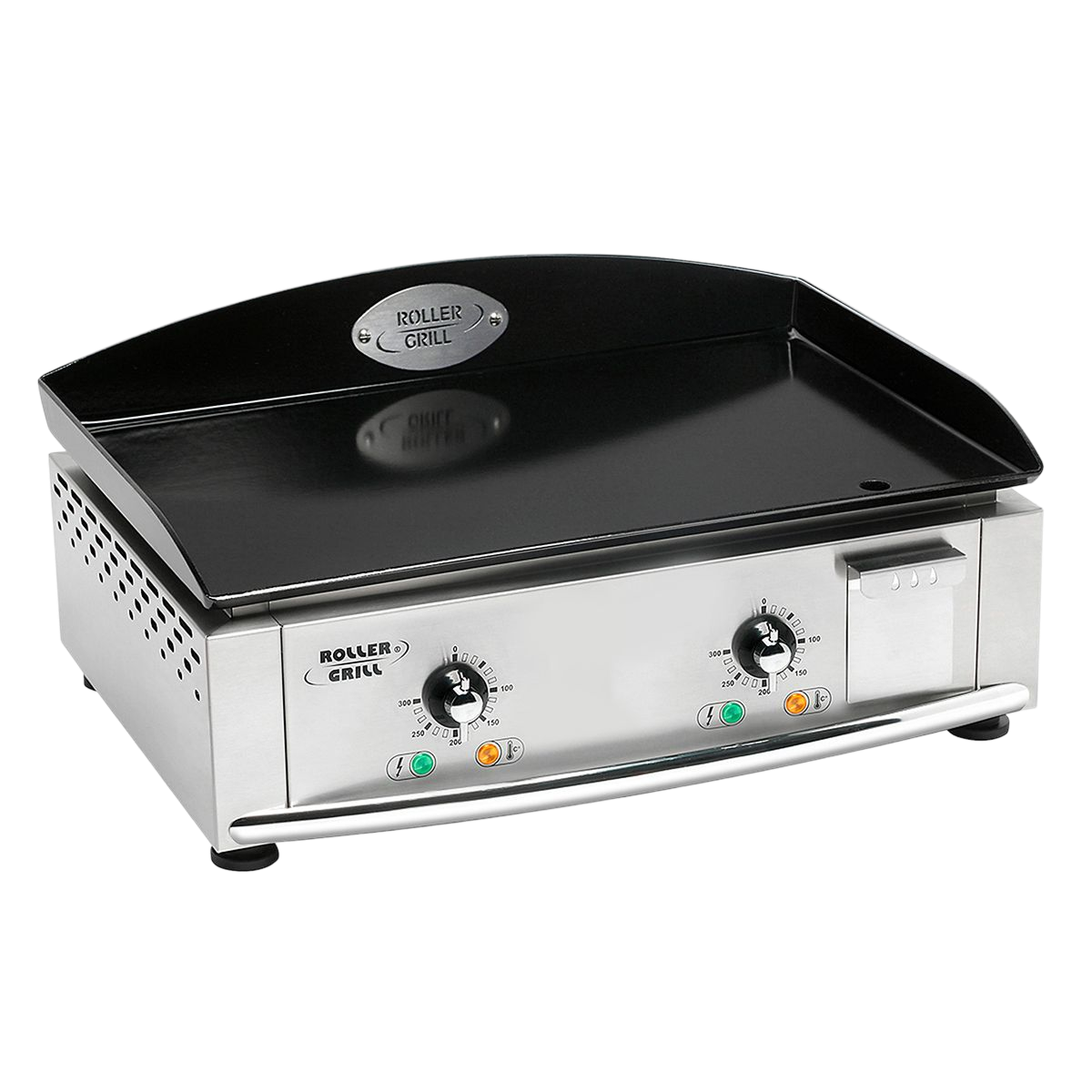
If you don’t own one, don’t panic: you can use a flat stone pan or quite simply one of our RollerGrill crêpe machines.
In a pan, add a little oil, place the paratha and cook over a low heat for one minute on each side until it firms up.
If you wish, and to enhance the flavour of your parathas, you can fill them with different ingredients. Here are three tasty examples:
Parathas are generally eaten at breakfast with a knob of melted butter to bring out the flavour of the crêpe.
They can be served with an omelette or a fried egg. They are also enjoyed as a light evening snack with a coffee or an Indian tea.
For Westerners, on the other hand, parathas generally accompany a main course, such as meat or vegetables. In this way, the paratha can play the role of bread.
Inevitably, you will find parathas in many countries across South and South-East Asia, notably in Bangladesh, Nepal, Sri Lanka, Myanmar and the Maldives. It is a staple of everyday cooking throughout Asia
Unlike French crêpes, parathas can be stuffed with many ingredients. The French crêpe is also thinner than a paratha, which is closer in appearance to a crêpe.
You will enjoy your parathas with garlic and herb cheese or any other spreadable cheese.
For more substantial parathas, you can stuff them with meat using a mixture of minced meat, potatoes, shallots, crushed garlic cloves, chopped parsley and coriander, salt, pepper, ginger and curry. Adjust to suit your taste.
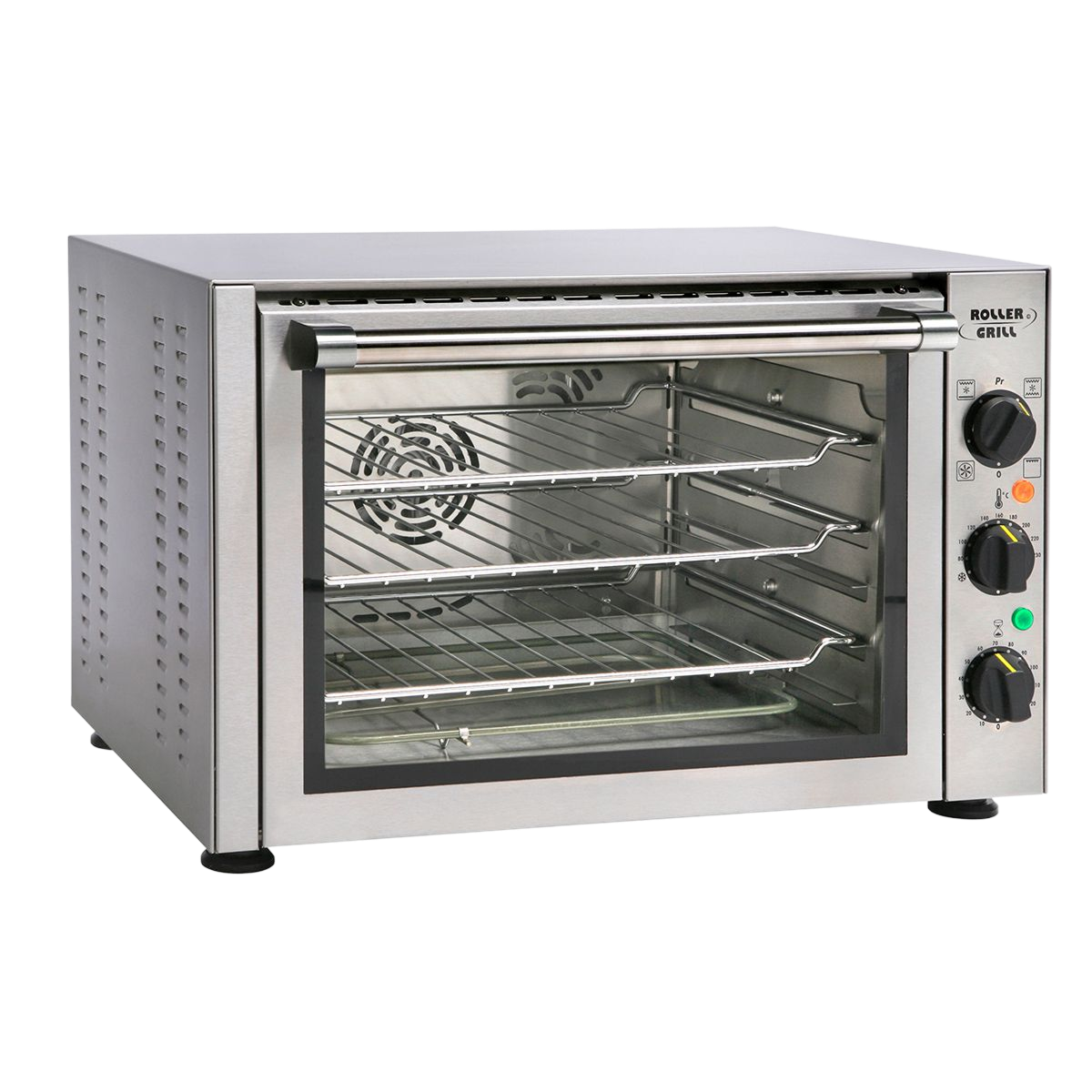
For frozen parathas, you would be better opting for slower oven cooking. To do this, preheat your oven to 180°C for 20 minutes.
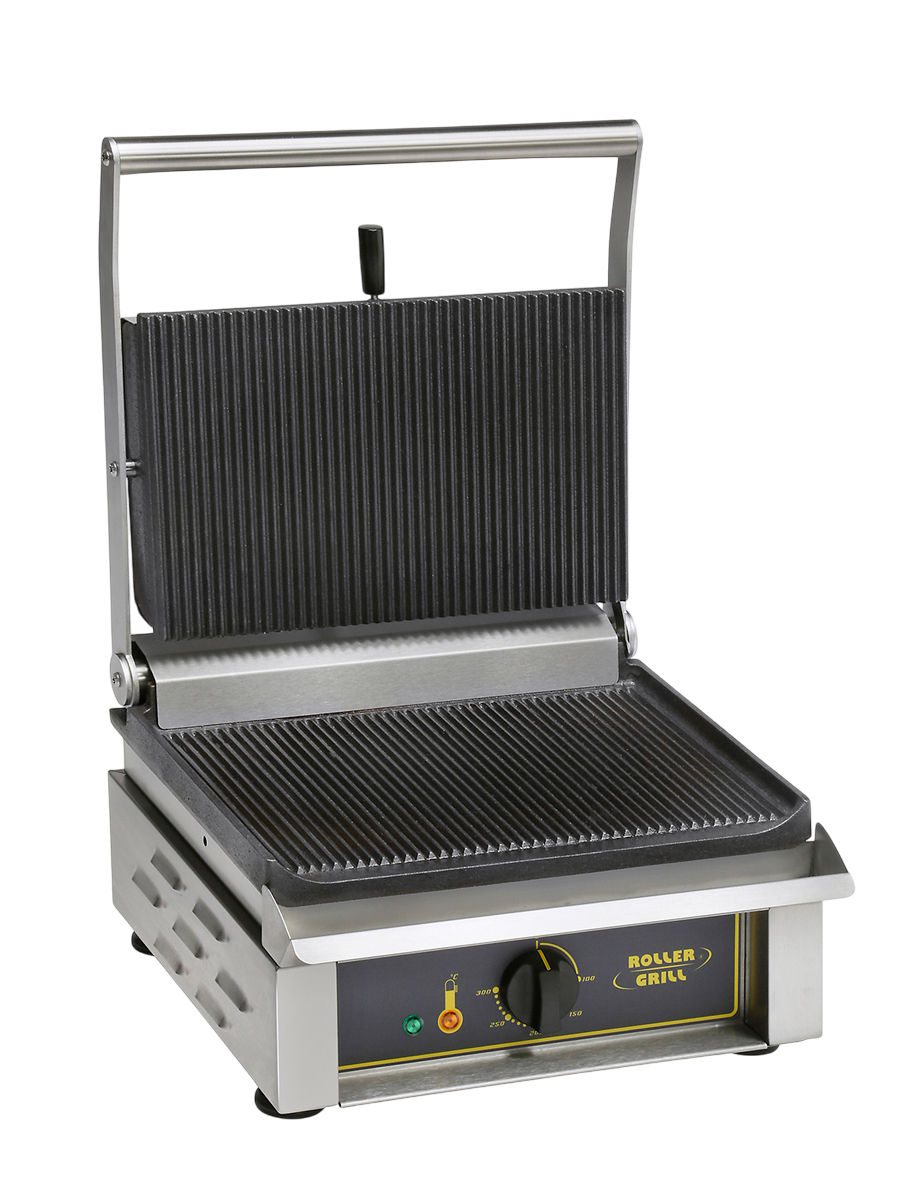
Slide a frozen paratha into a Roller Grill vitroceramic contact grill. The paratha is cooked in just 40 seconds!
At breakfast, parathas are much loved with melted butter on top to bring out the flavour of the crêpe.
For gluten-free parathas for 6 people, you will need 75g of boiled potatoes, 50g of buckwheat flour, salt and oil, following the same steps as for the traditional recipe.
Chapatis are made from finely ground chapati flour and have a fine texture. To make chapatis, you need to form three-layered triangles, oiling each layer with ghee and rolling them into a circle before cooking.
A paratha is much thicker and flakier than a roti canai or a chapati. Laminating means rolling and folding the dough out repeatedly, as with puff pastry. The lamination of a paratha is therefore different from that of a roti canai or chapati, and when it is ready to fry, the paratha is coated with ghee or oil.
A roti canai is most often rolled out very thinly and its texture is much softer. It is made from flour and water, with no oil or ghee used in making the dough.
As we saw earlier, the Paratha is a flatbread made from wholewheat flour. After being cooked in a pan, it is often stuffed with vegetables and spices.
Naan is also very popular in India and in other parts of the world. It is made from white flour and contains no yeast. It is most often baked in a stone oven or on a tava. It is then served hot, brushed with butter or ghee.
Dholl puri is a kind of savoury crêpe filled with curry and chatini. You will find it in Mauritius, and you might mistake it for a breakfast to be eaten quickly. It is enjoyed from the morning onwards, at lunch or throughout the day as a snack.
Parathas are made with an unleavened dough, with no added yeast. Kulchas, on the other hand, are made with leavened dough, like bread for example. The traditional raising agent for Kulcha dough is curdled milk/yoghurt. The dough is left to ferment overnight.
There are different ways to prepare your parathas. The red onion version is very popular. To make it, prepare your dough with red onions, flour, water, salt, oil, garam masala and a small green chilli.