


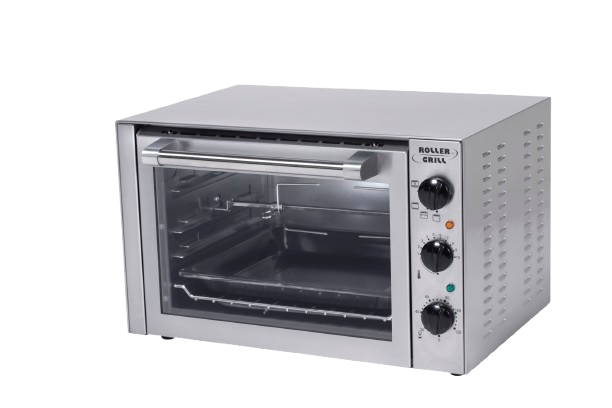
Planchas or pierrades: same cooking method, same principle
Like planchas, pierrades (or grill stones) involve cooking food directly on a heated surface. This is quite simply contact cooking.
The principle is to gather around the cooking equipment at the table and share a convivial meal with family and friends. It is often a healthy meal requiring no particular preparation, simply using fresh ingredients (meat, fish, vegetables, fruit…) placed directly on the hot surface.
What are the differences between a plancha and a grill stone?
Installation
The grill stone can only be placed in the centre of a table so that all the guests can cook the food of their choice.
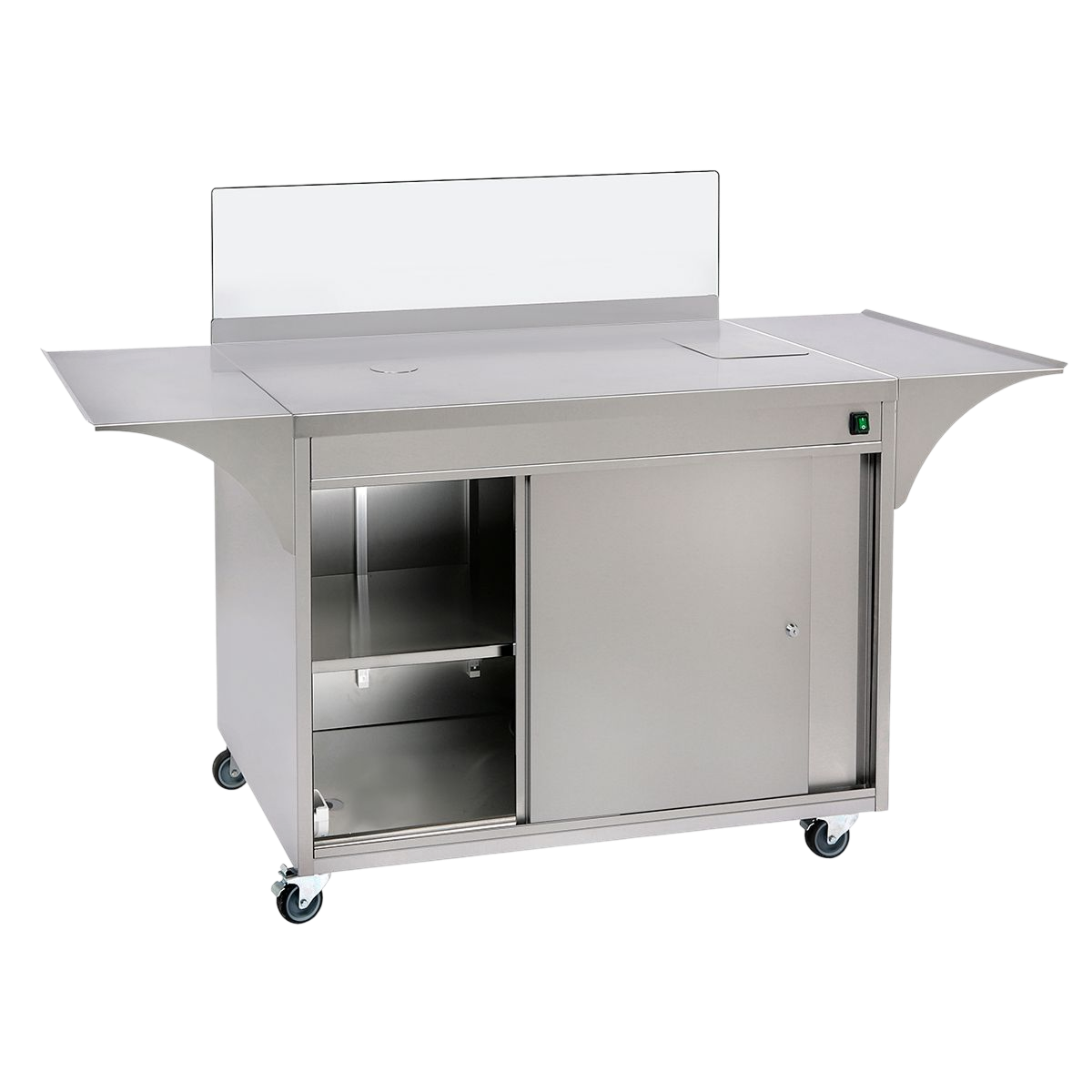
With a plancha, all the guests can of course take part in cooking their own dish. But it is more common for the host to cook in front of their guests. The electric plancha finds its place in the centre or at the end of a large table or else in the kitchen under an extractor hood. The gas plancha, for its part, is often built into a trolley for installation on a terrace, at the bottom of a garden or beside a pool.
The cooking surface
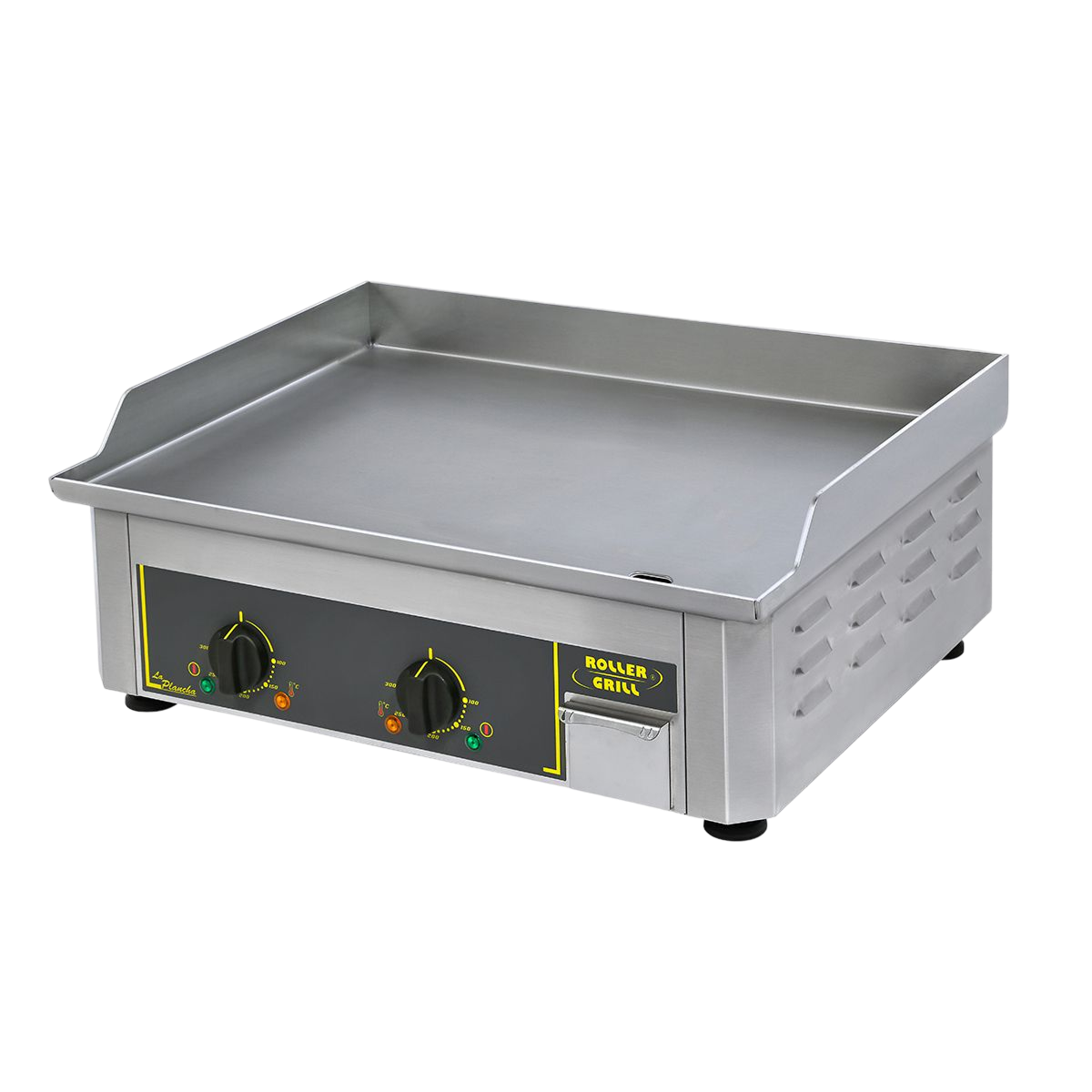
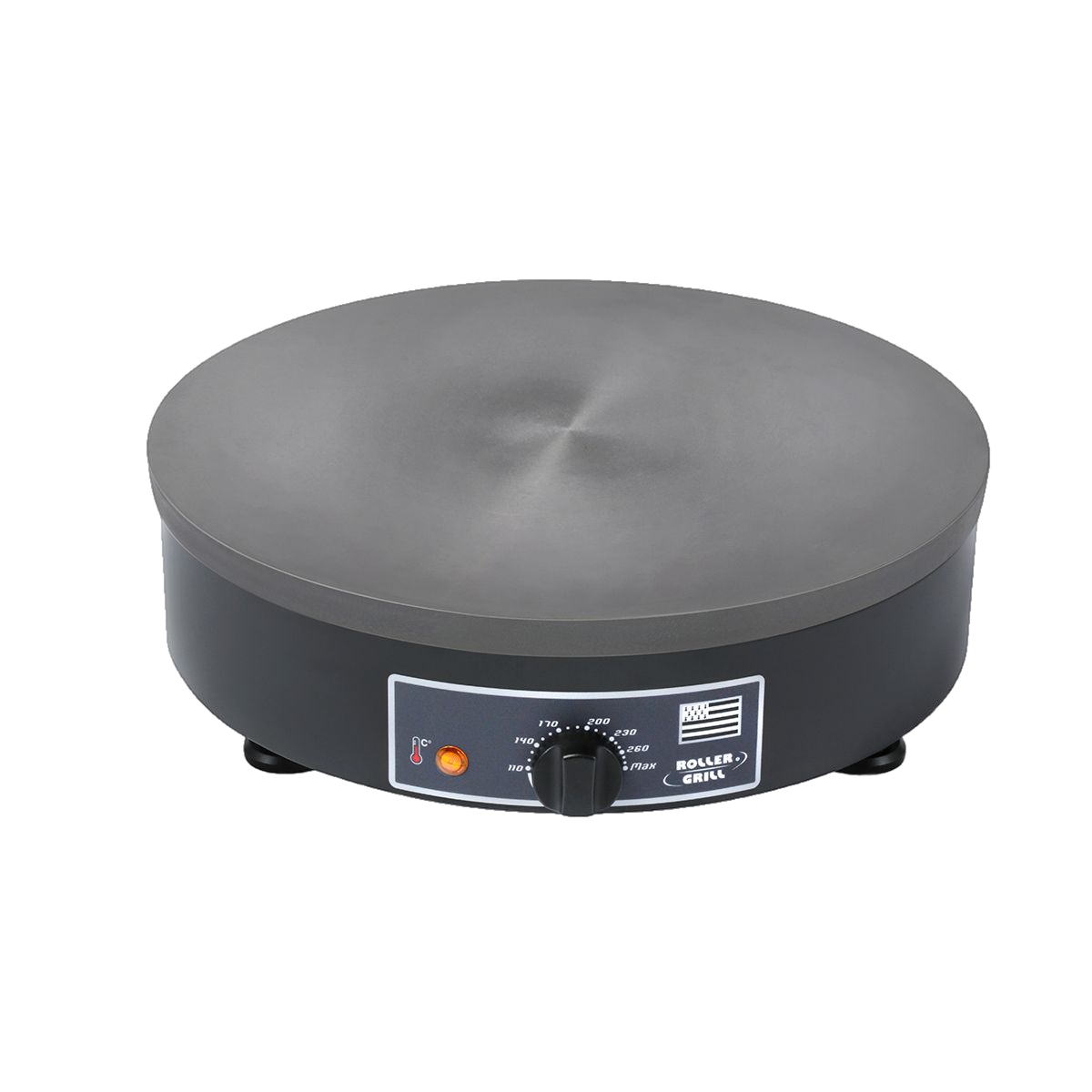
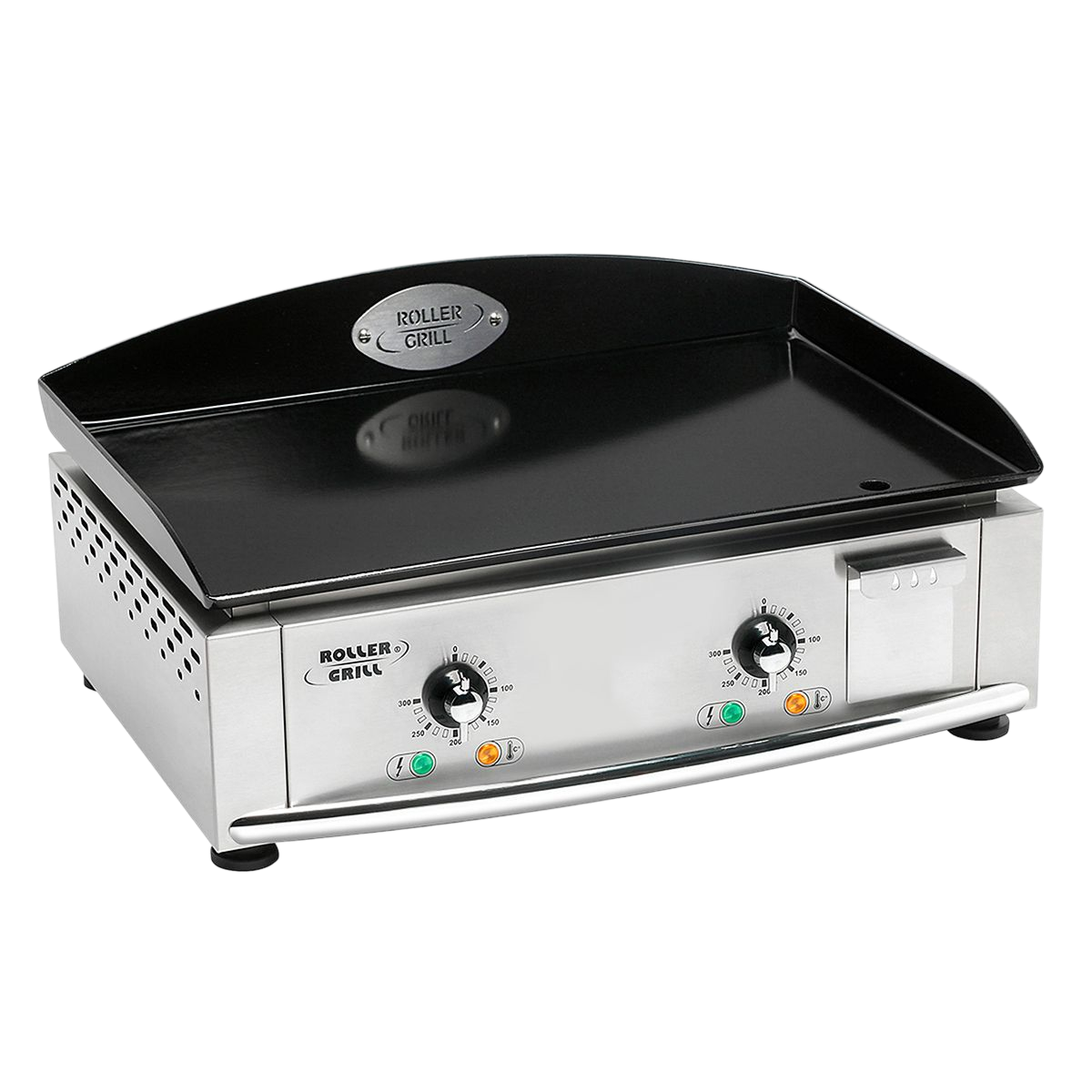
The plancha is fitted with a cooking surface in cast iron, steel, stainless steel or enamel. It is heated by electric elements or gas burners placed under the plate and covering the entire surface.
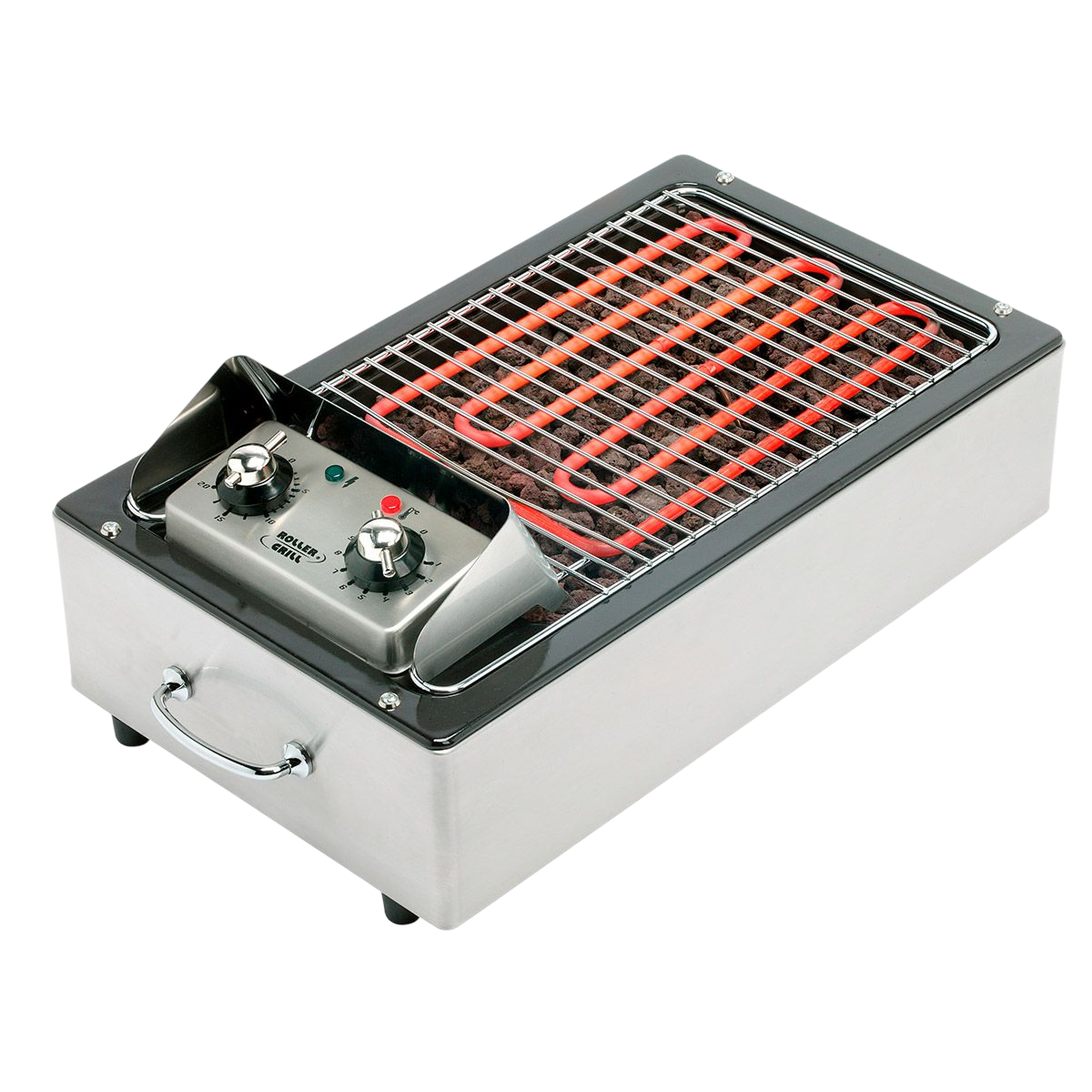
The grill stone involves placing a flat natural stone (marble, granite, slate…) or volcanic stone on a small heating element.
Cooking time
The plancha, which is often powerful, heats up quickly. It can therefore sear and grill a wide variety of food at high temperatures. An adjustable thermostat adjusts the heat according to the product being cooked. Cooking time on the plancha is very short for grilled food.
The cooking stone has a much lower power output than the plancha: never more than 800 W for models designed for 4-5 diners vs. up to 3,500 W for an electric plancha of the same capacity. As a result, the grill stone requires a preheating time that is relatively long, and cooking is particularly slow.
The variety of food
Because of the grill stone’s low heating power, meat, fish and vegetables must be pre-cut into very thin strips. This way, the food cooks more quickly and guests spend less time waiting for their dish. Only small portions cut into thin slices can be cooked at the same time. Cooking is done directly on the plate without any fat, sometimes with a little salt on the stone to enhance the taste.
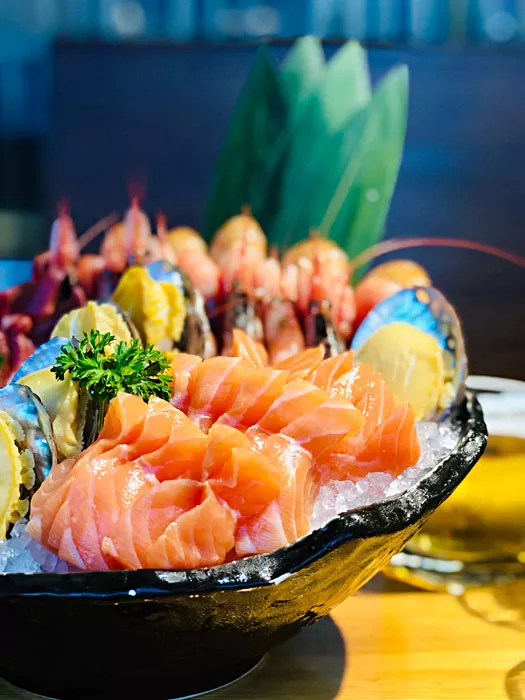
On the plancha, cooking is faster and more precise. Thanks to the powerful, adjustable heating zone, it is possible to cook a wide variety of food of all sizes: all kinds of meat, from cuts of beef to poultry gizzards and kebabs; red mullet fillets, salmon steaks or whole fish such as John Dory, shellfish; pan-fried vegetables, courgettes, tomatoes… as well as fruit. There is no shortage of recipe ideas to delight all your guests!
Seasonality
Often associated with outdoor cooking, the electric or gas plancha can be used both outdoors and indoors. There is no seasonality. In the South-West of France, it is even an integral part of the kitchen, just like the oven.
The cooking stone, on the other hand, is an indoor appliance brought out of the cupboard mainly in winter, just like raclette and fondue machines.
Ease of maintenance
At the end of the meal, nothing could be simpler than cleaning a plancha! A heat-resistant spatula, water and washing-up liquid, a little warm white vinegar to finish and the plate regains its shine! The juice and fat collection drawer is removable and machine-washable.
With the grill stone, it is recommended to scrape the surface after each use to avoid cooking on charred residue and giving off a burnt smell. After the meal, the cooking stone must be washed once it has cooled down.
As you will have gathered, the plancha offers many advantages in terms of speed and variety of cooking, versatility and maintenance. It can become an integral part of your everyday cooking, whereas the grill stone is only used occasionally for cooking thin pieces of food.