


From ancient Greece to the present day, pancakes have found their place
In ancient Greece and Rome, pancakes were made from wheat flour, olive oil, honey and curdled milk.
During the English Renaissance, they were then flavoured with spices, rose water, sherry and apples. The first American pancakes were in fact made with buckwheat or cornmeal.
Even poetry has given them a place! The Greek poets Cratinus and Magnes wrote about pancakes in their poetry, and Shakespeare mentions them in his famous plays.
The arrival of pancakes in England…
Pancakes first appeared in England in the recipe book The British Housewife in 1615.
A name that has evolved considerably over the years
Before being called “pancakes”, they went by the names “Indian cakes”, “hoe cakes”, “johnnycakes”, “journey cakes”, “buckwheat cakes” and “flapjacks”.
It was only in the 15th century that the name “pancake” appeared, before becoming a standard in America in the 19th century
Simple, effective ingredients
Pancakes come in different shapes, sizes and flavours.
Whether thick or thinner, pancakes appeal to grown-ups and little ones alike, thanks to their simple, quick ingredients: white sugar, oil or melted butter, flour, baking powder, milk and eggs.
It is also possible to make them gluten-free for those who wish.
For even tastier pancakes, the toppings will make all the difference!
Plain pancakes delight with their simple, refined taste. But you can still top them with fruit, maple syrup, caramel or chocolate spread for those with a sweet tooth.
The traditional recipe for success every time
The first step is to roughly beat the egg and sugar in a mixing bowl and add melted butter or oil.
Then mix the flour and baking powder separately and incorporate half of it into the mixture. Gradually pour in the milk while adding the other half of the flour little by little.
Oil or butter the pan, cook and enjoy!
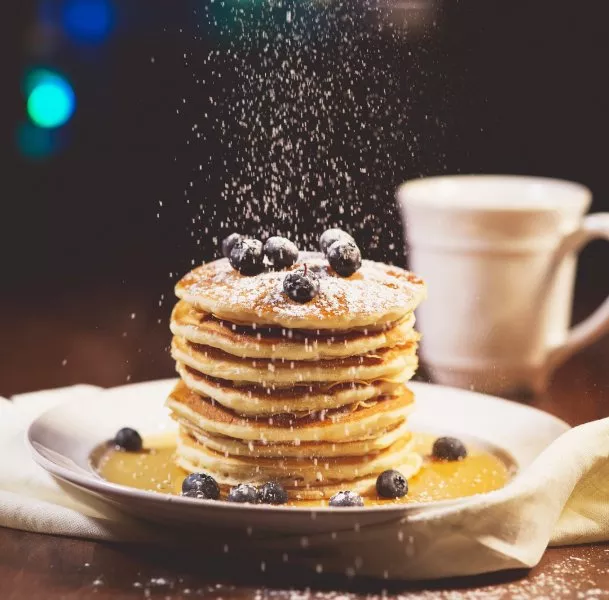
2 minutes here, 2 minutes there… and your pancake is ready to enjoy!
To achieve a delicious result, cooking your pancakes properly is essential.
To stop your pancakes being overcooked on the outside and raw on the inside, it is essential to cook them in a pan with a little butter for at least one minute.
2 minutes per side is enough. If little bubbles appear and burst, they are ready.
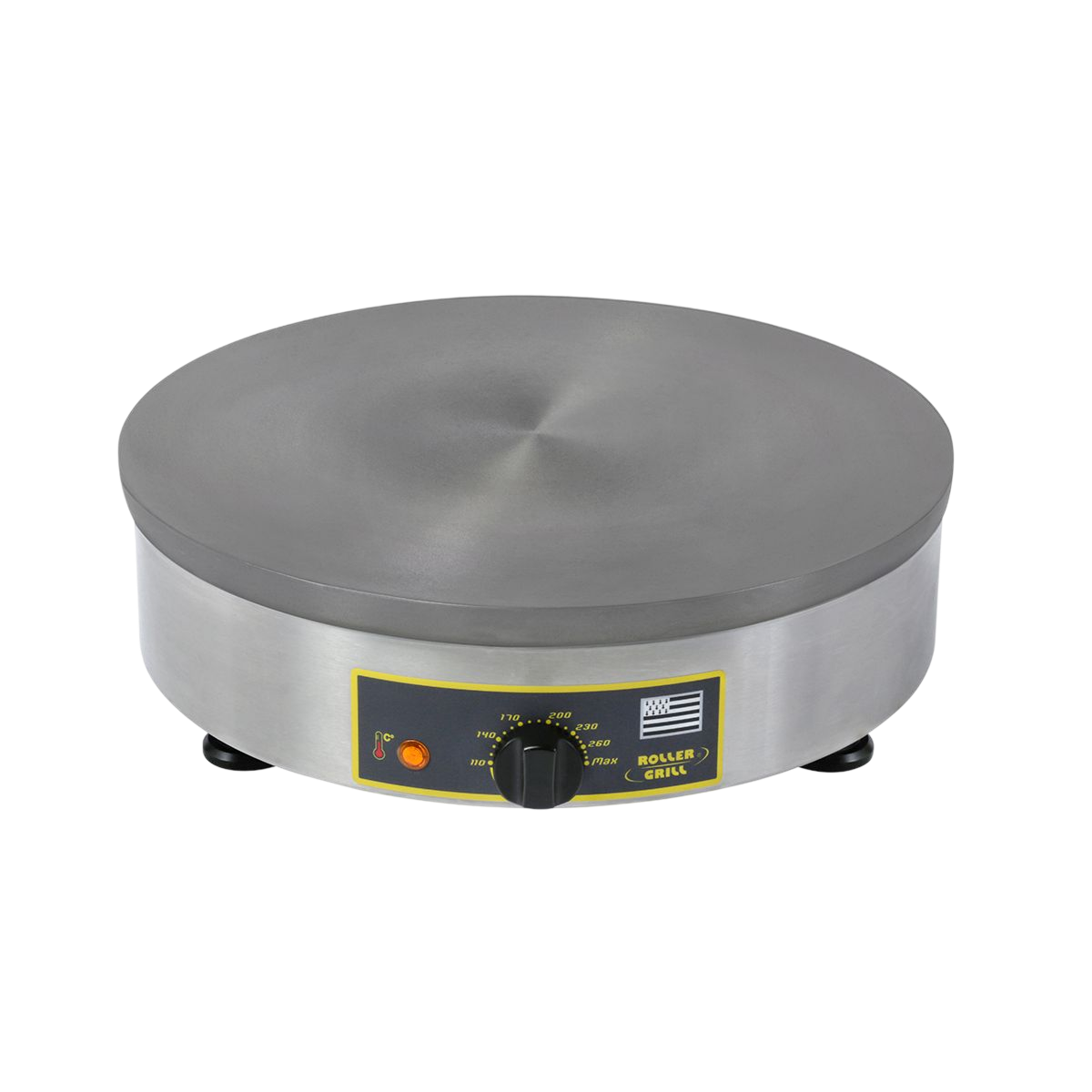
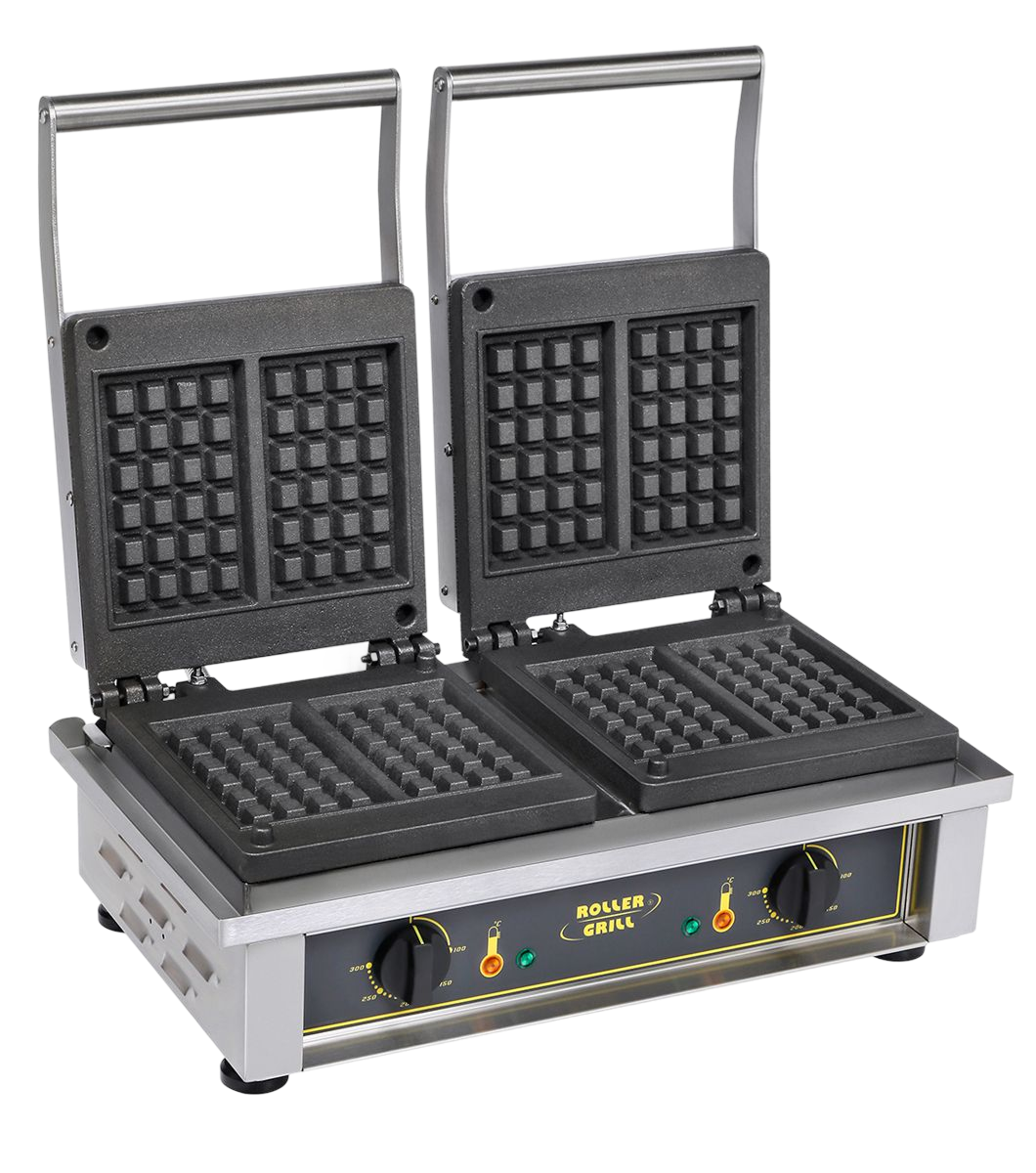
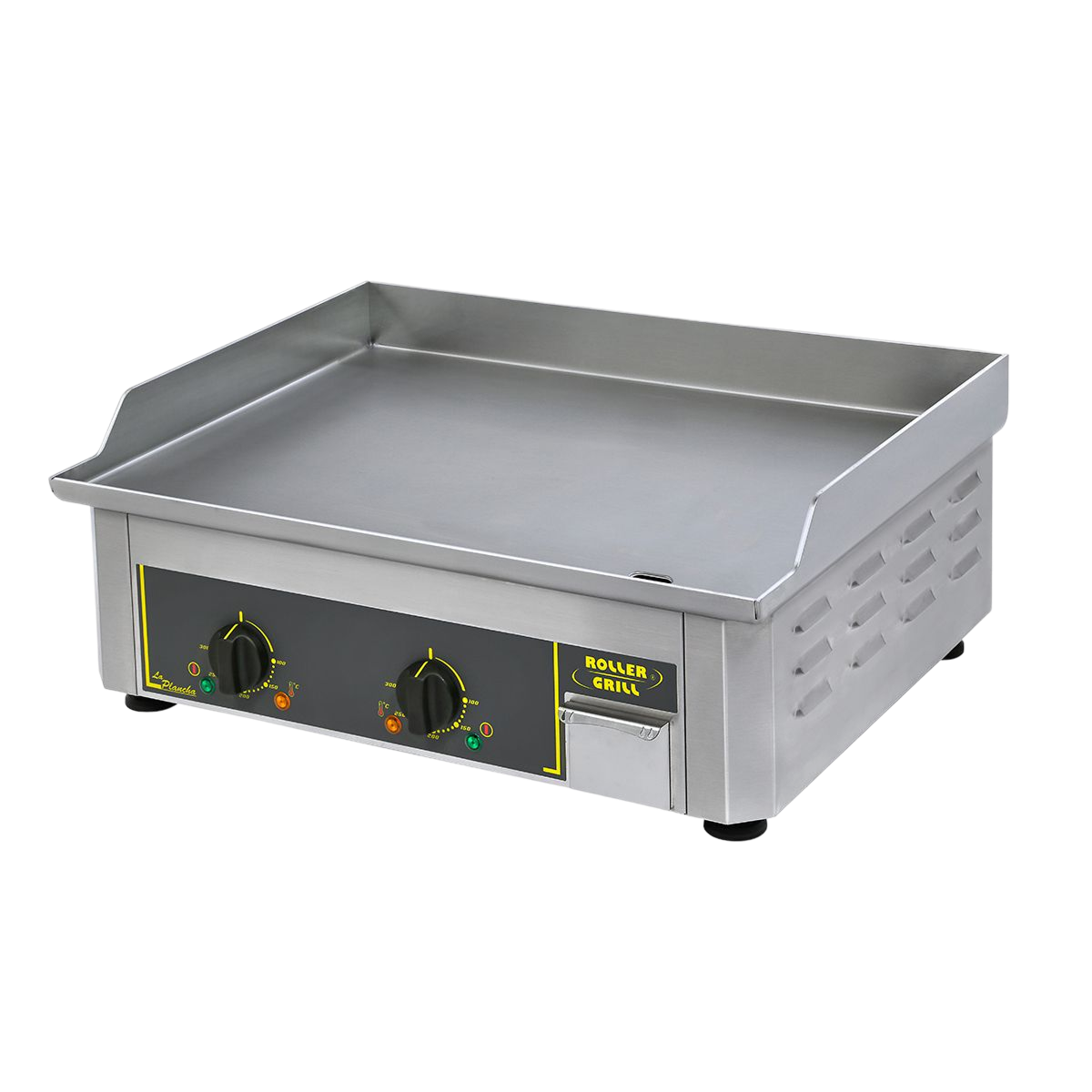
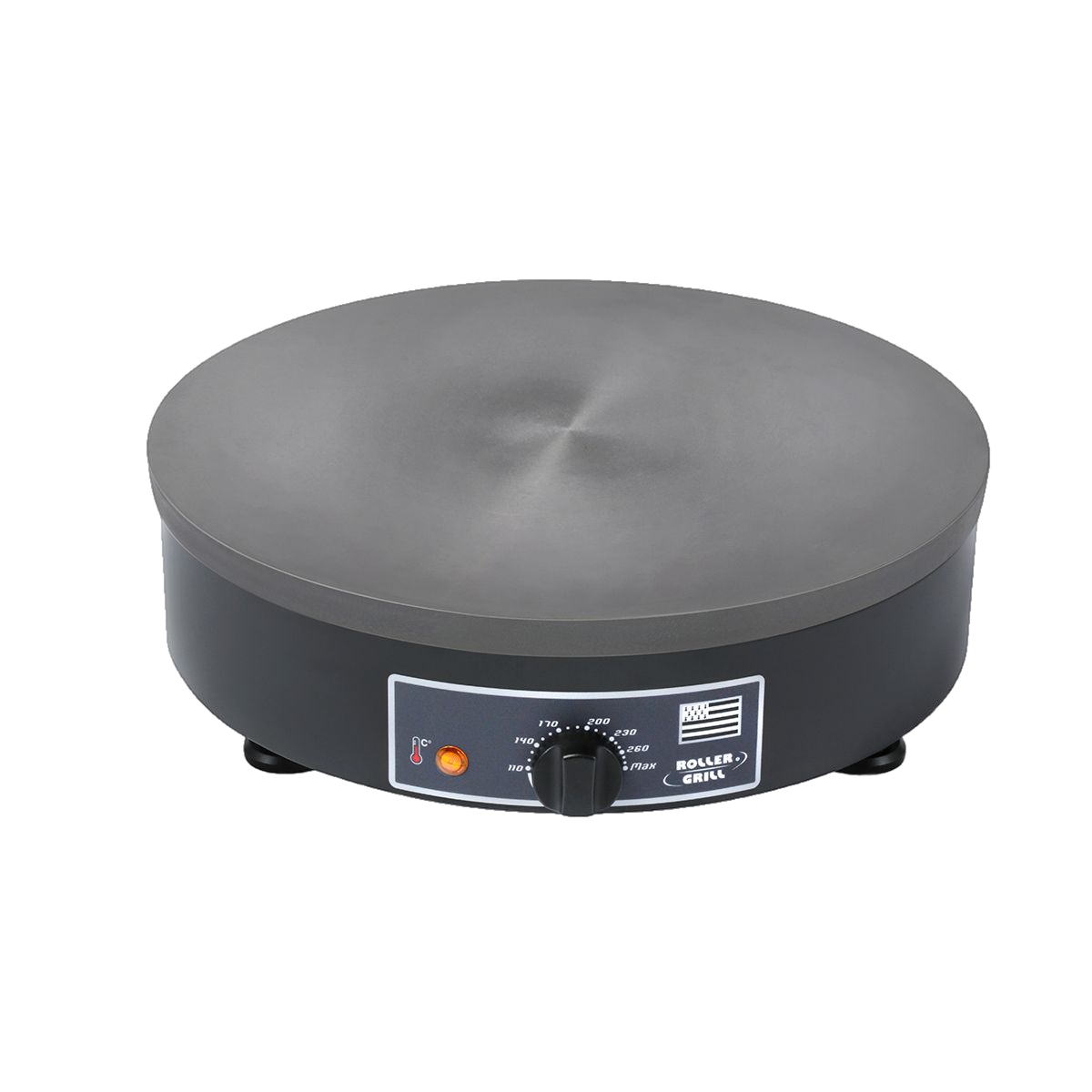
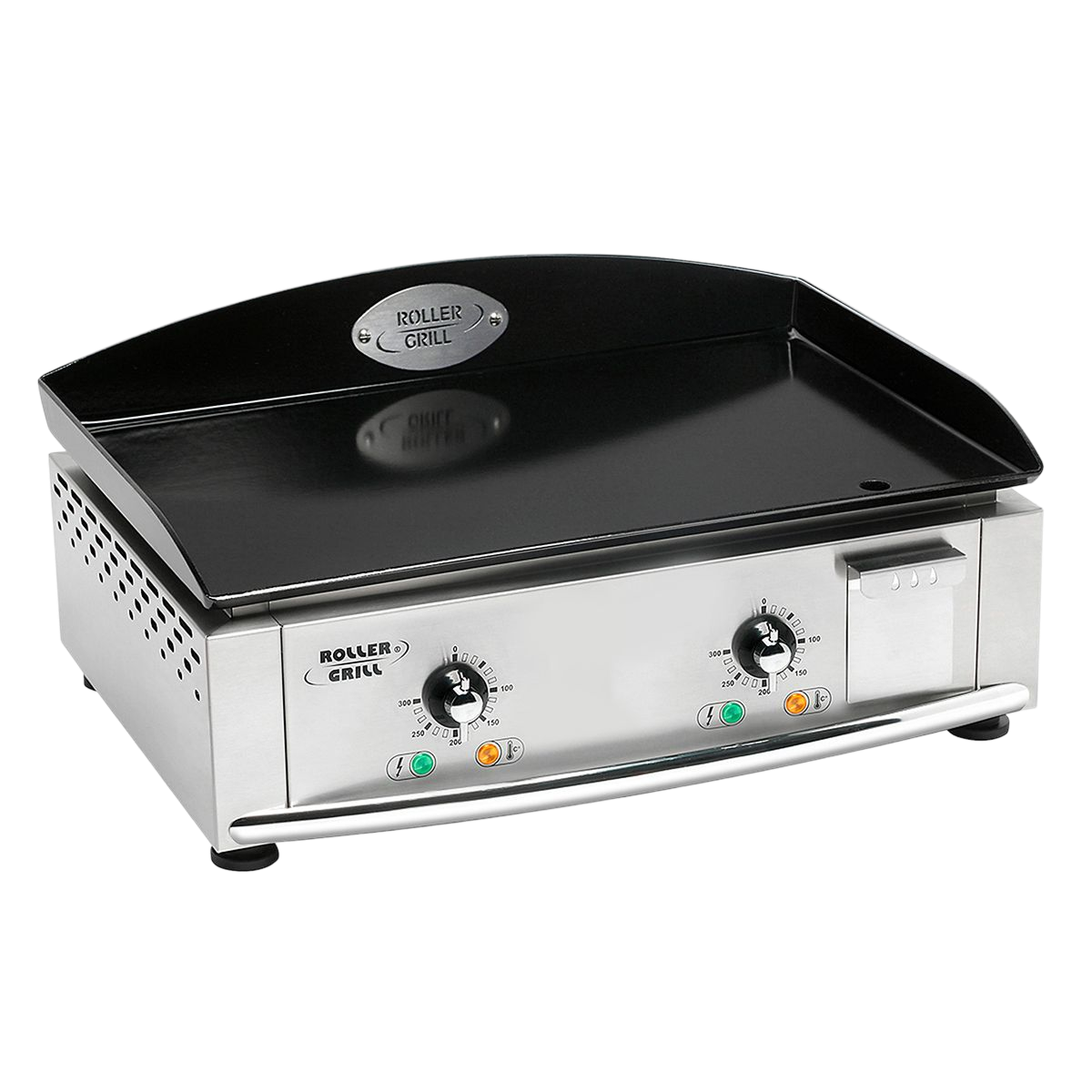
Even quicker is cooking pancakes on a cast iron or enamelled cast iron crêpe machine! 6 pancakes with 1 minute on each side and they are ready to enjoy!
Pancakes on Shrove Tuesday!
Shrove Tuesday is an important day for pancakes.
Legend has it that a housewife living in Olney heard the church bell while she was making pancakes and, so as not to miss the service, ran out with her frying pan in hand. Ever since, the British have been in the habit of enjoying them on that day during a pancake race, the aim being to run with the pancake in a frying pan.
Pancakes are for any meal of the day!
North Americans have got into the habit of eating pancakes at a specific time of day: at breakfast and sometimes as an afternoon snack, served with maple syrup or plain!
Nevertheless, pancakes exist in every country and are served for breakfast, lunch and dinner all over the world.
Enjoying them almost everywhere…
Of British origin, pancakes are enjoyed nowadays by the inhabitants of North America: Canadians and Americans. They are starting to spread all over the world and even to become part of the culinary habits of many European countries.
Pancakes VS French crêpes
Many people confuse crêpes and pancakes. However, one thing sets them apart… the raising agent! While crêpes are flat, pancakes are puffed up by the raising agent, which gives them their thickness.
But one thing is certain: crêpes and pancakes are alike in their very similar taste, due to the same ingredients being used, and in their sweet toppings. (Jams, spreads, fruit etc.)
So yes, pancakes are for any time and with anything!
If you want to start the day on the right foot, the pancake is the ideal dish to enjoy! With fruit, chocolate spread or whatever you like, enjoy your pancakes with your favourite ingredients!
Your questions, our answers:
How do you flip a pancake?
To know when to flip your pancakes, watch the bubbles: if they are present all over, it is the right moment. Take a plastic spatula and slide it under the pancake. Use your wrist rather than your arm to turn them over gently.
How do you make pancake batter?
Pancake batter is made up of two families of ingredients: the dry ingredients, with flour, sugar, baking powder and salt, and the wet ingredients, with milk, eggs and butter/oil.
How do you achieve perfect pancake batter?
Our little tip for perfect pancake batter: leave the batter to rest at room temperature for 20 to 30 minutes before cooking it in a preheated pan.
How do you make a deliciously thick pancake?
To get lovely thick pancakes, the key is to sift the flour before putting it in the mixing bowl and, above all, to use cake flour.
When you add the butter, make sure it is not too hot, otherwise it will cook your eggs. And do not spread the batter out as you would with crêpe batter.
How do you make pancakes?
Preheat your pan over a medium heat, then turn it down low and wait around two minutes.
Lightly grease the pan with a small amount of butter and remove the excess with a sheet of kitchen paper.
Pour your batter into the middle of the pan using a measuring jug, making circular movements.
Leave the pancakes to cook and, when bubbles start to form on top and around the surface, flip them over.