


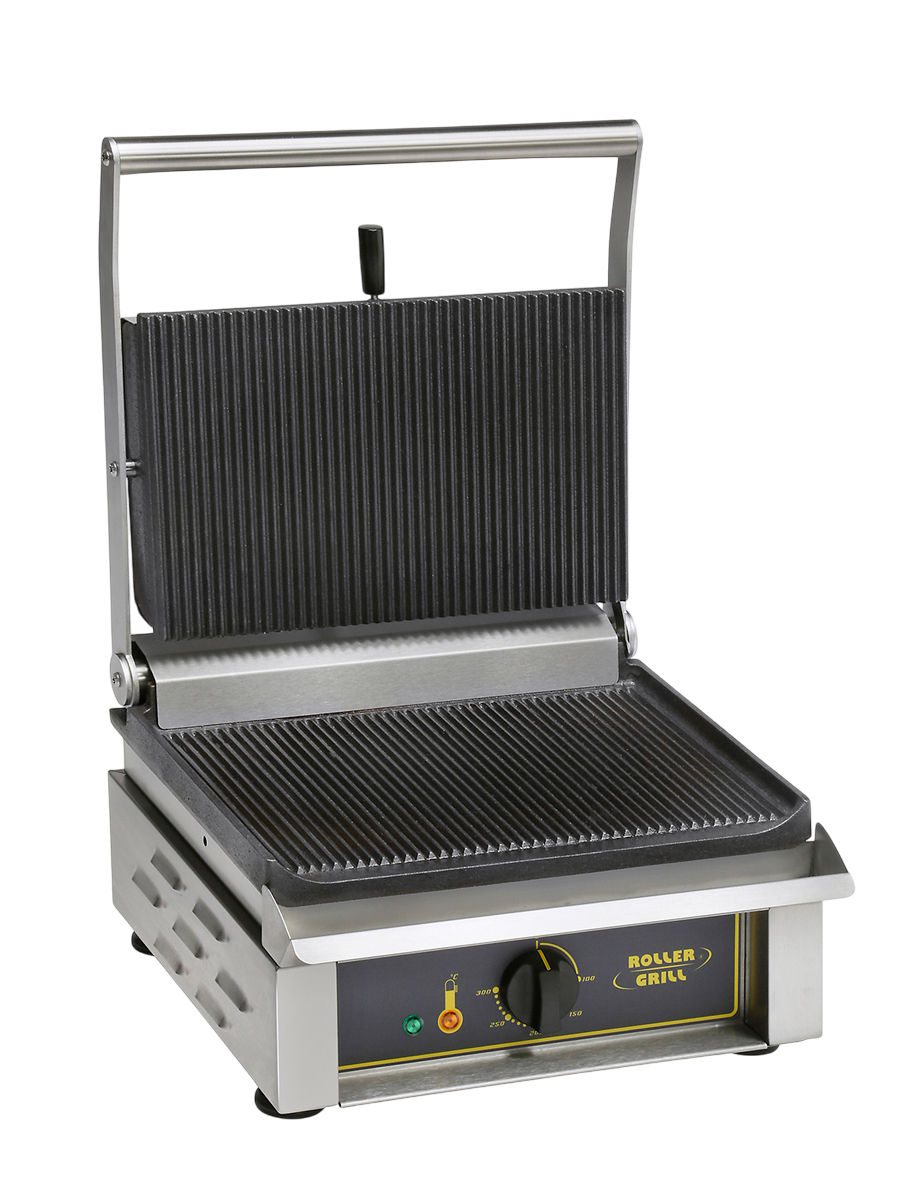
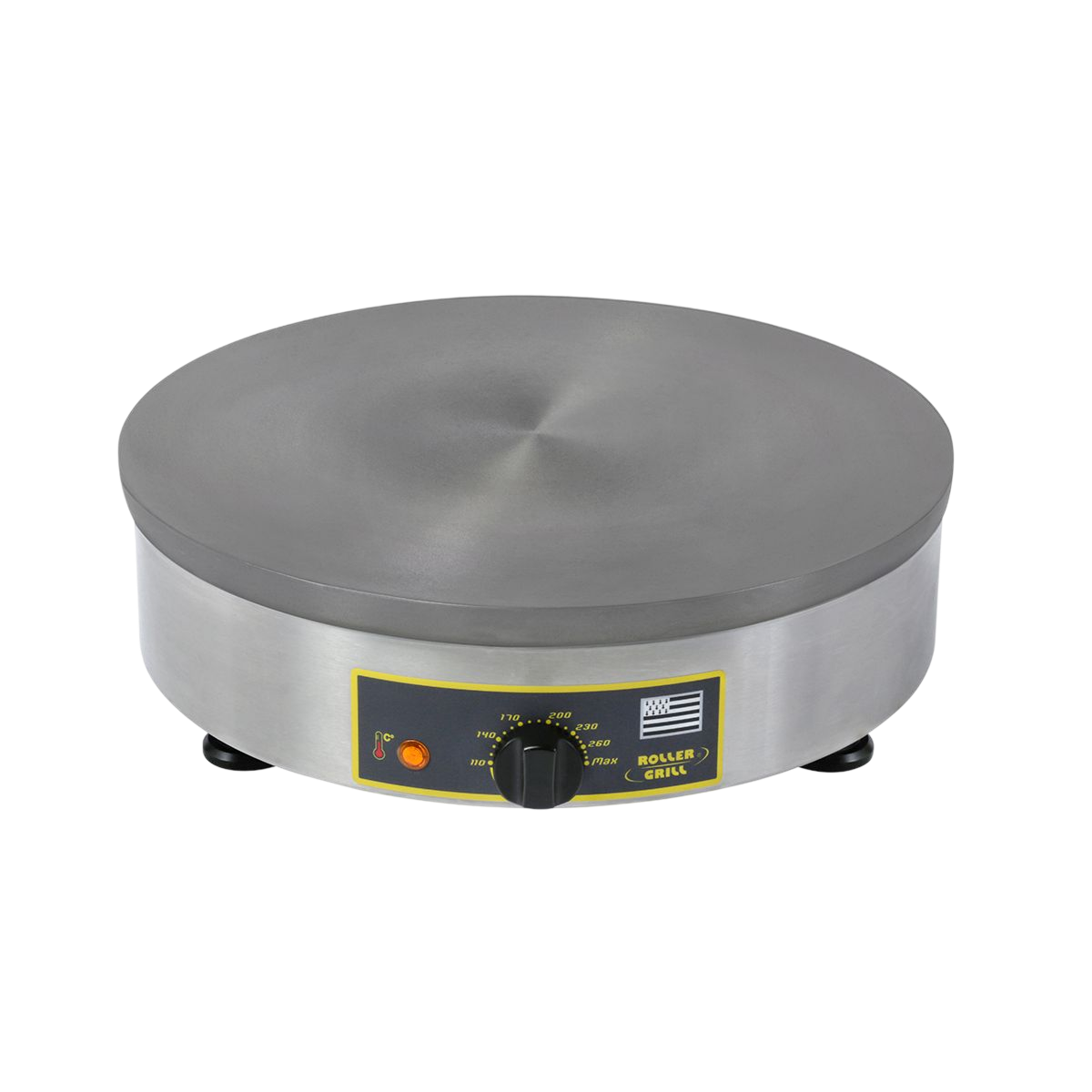
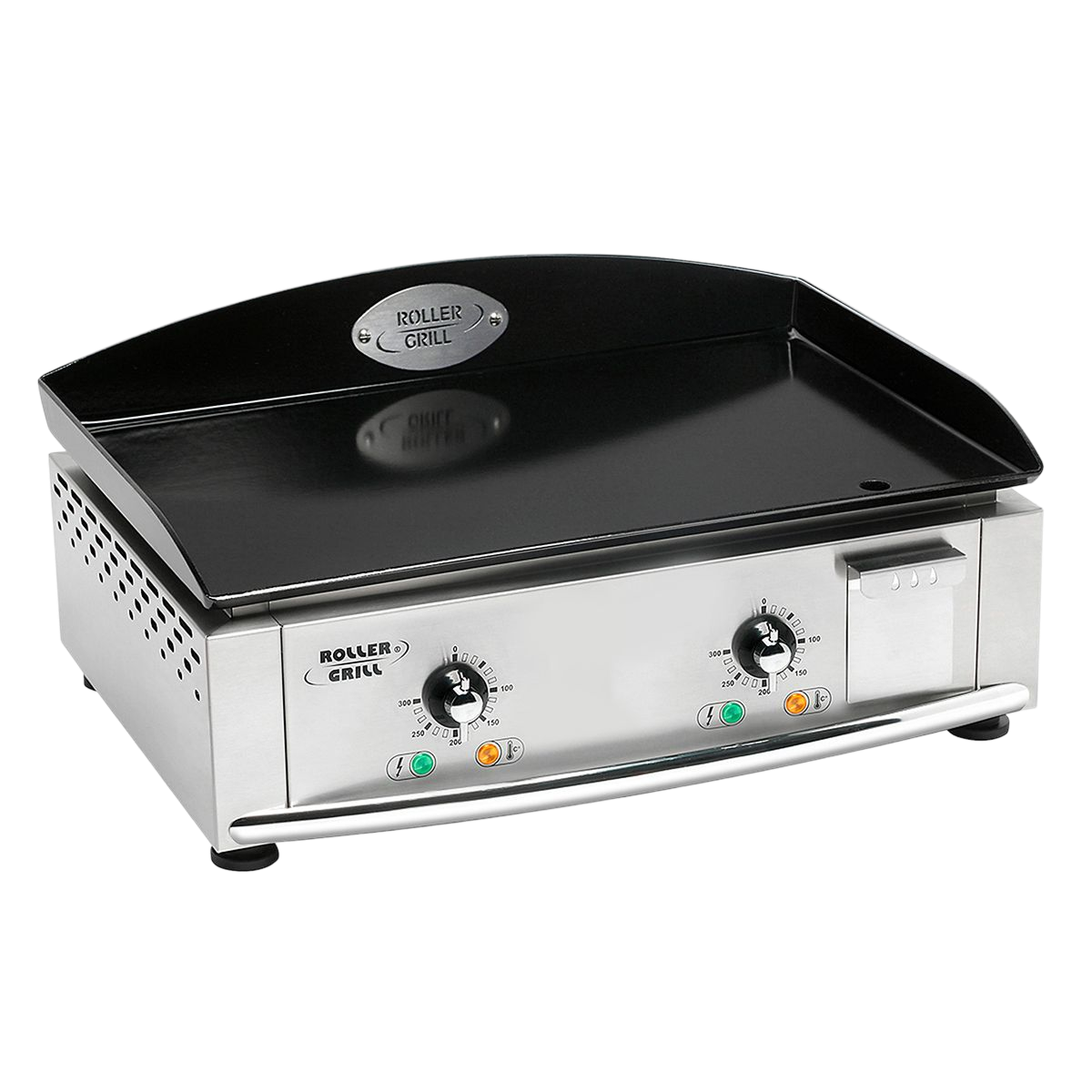
The plancha, an age-old piece of cooking equipment, is now conquering new kitchens and terraces.
The plancha has its origins on the religious pilgrimage routes of the 19th century.
The plancha, a term of Spanish origin, literally means “plate”. Originally, it referred to the cast iron plate used in the 19th century during religious pilgrimages such as the Way of St James: pilgrims heated this large plate over a wood fire to cook food in large quantities. The cast iron plancha has always been rooted in Spanish culinary traditions. Helped along by cross-border influence, this hot plate very quickly established itself in homes across south-west France.
Since the 2000s, the plancha has been making its way into gardens and kitchens across France and Europe.
Nowadays, the plancha refers both to the electric or gas appliance and to the cooking method associated with it. Since the 2000s, the plancha has been conquering kitchens and above all gardens, terraces and balconies throughout France and Europe. With the gas or electric plancha, gone are the long, tedious preparations involved in organising a barbecue, such as building a fire, grilling food directly over the flame — and therefore harmful to health — or cleaning the barbecue… Cooking on a plancha means improvising and contact-cooking the entire meal directly on the plancha, from starter to dessert. It also means cooking differently, with family or friends, in fine weather, getting your guests involved in cooking the dishes.
If plancha cooking is synonymous with convivial cooking, healthy and generous, what about the griddle plate? Are there any differences between a plancha and a griddle plate?
The griddle plate has earned its reputation among catering professionals.
The griddle plate is THE cooking plate of large professional kitchens.
In the world of haute cuisine, a cooking plate is often built into a kitchen range. This large cooking surface is used for intensive cooking. Always in search of innovative cooking techniques, Michelin-starred chefs developed in the 20th century the notion of “snacking” meat, fish or vegetables, in other words cooking food at high temperatures on a cooking plate to grill meat, to sear fish or to sauté vegetables. This is how the “griddle plate” entered the jargon of the professional kitchen.
Roller Grill meets the current expectations of catering professionals with a range of griddle plates featuring different coatings.
In a constant quest for thermal performance in this cooking equipment, the French manufacturer Roller Grill has for several decades been developing a wide range of highly resistant griddle plates. A cast iron plate certainly has excellent thermal inertia, but it does not fully meet the current expectations of catering professionals, such as fast heat-up. Starting from a 10 mm thick steel plate, Roller Grill has thus designed a line of griddle plates with different coatings (decarburised, chrome-plated or enamelled steel…) to suit chefs’ needs in terms of cooking speed and ease of maintenance. Roller Grill griddle plates equip traditional restaurants, but also food trucks, kiosks and takeaway concepts.
In terms of equipment, plancha and griddle plate differ in name depending on the setting and the user.
At home, cooking amateurs and enthusiasts talk about the “plancha”.
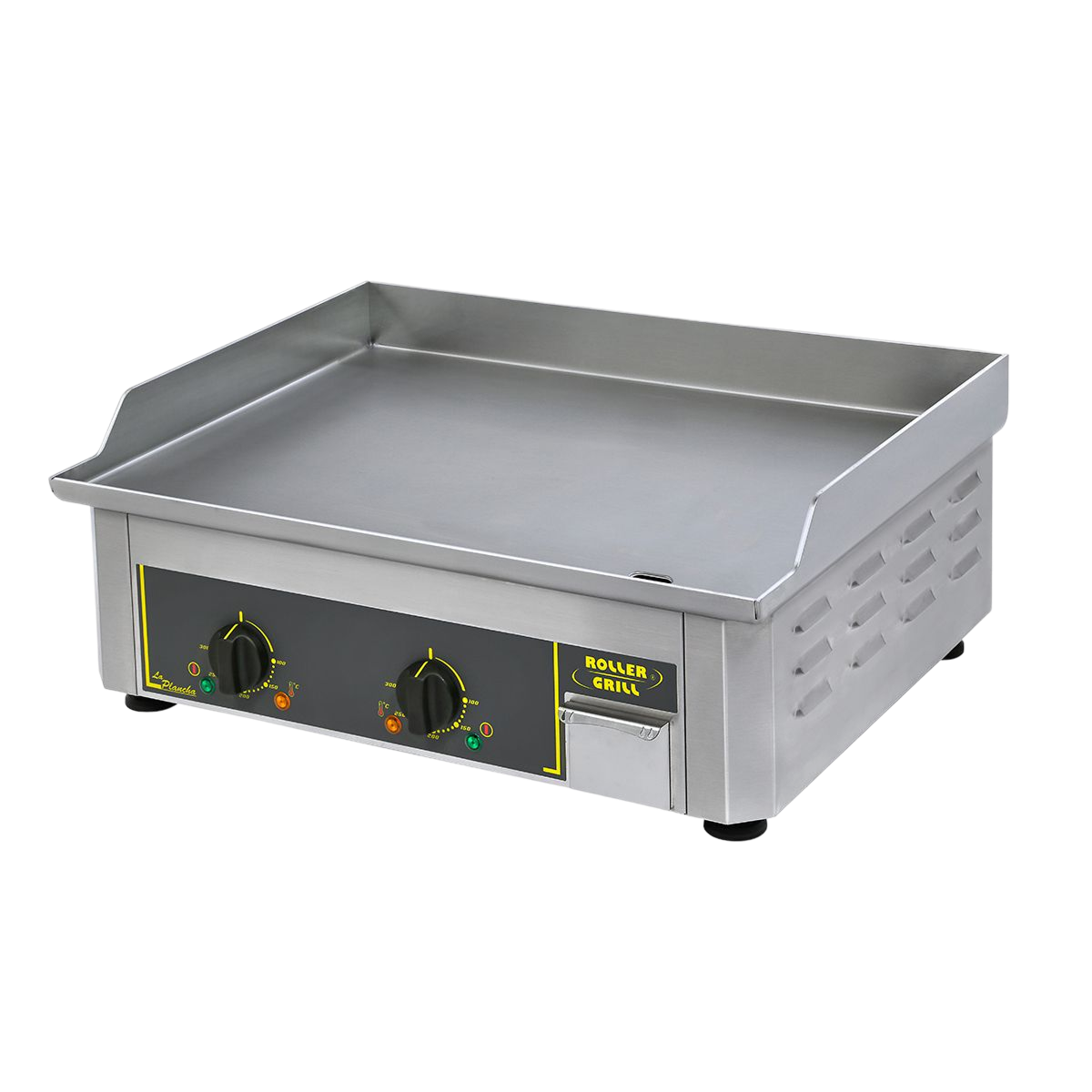
Nowadays, the plancha is on the mind of every European cooking enthusiast, as soon as the fine weather returns, for a convivial meal outdoors. Cooking enthusiasts equip their homes with a built-in electric plancha for their outdoor kitchen or a gas plancha on a trolley for greater mobility in the garden. In the Roller Grill plancha collection designed for gourmets and cooking enthusiasts, the Roller Grill gas plancha is one of the most sought-after models.
In every professional kitchen, this large cooking plate is called a “griddle plate”.
Catering professionals use the term “griddle plate” to refer to this cooking plate that is essential in their kitchen. The griddle plate is now one of the centrepieces of any professional kitchen. It is fitted with at least 2 or 3 independent cooking zones. This large cooking plate runs on gas or electricity. There are also 400 x 700 mm modules with 2 heating zones specially designed for the standard worktops of large kitchens. These professional griddle plates fit into the kitchen range of top restaurants. They can also be installed on the worktop of food trucks or premises with limited space.
But the term “plancha”, which has also become fashionable in the catering trade, led Roller Grill to rename its range “professional plancha”.
In the catering trade, depending on the region, the term “plancha” is becoming more common than “griddle plate” and it is tending to spread both in France and abroad. It is not unusual to read on restaurant menus “Fish a la plancha”, “Duck breast cooked plancha-style”, “Cooked on the plancha”…. Consequently, in 2019 Roller Grill renamed its entire professional range of griddle plates “professional electric plancha ” and “professional gas plancha”. An electric or gas professional plancha from Roller Grill necessarily features the same technologies as a professional griddle plate to withstand intensive use in restaurants. Roller Grill has also developed a line of 400 x 700 mm cooking plates for the standards of large kitchens and outlets with limited space: this range of professional griddle plates is available in electric and gas versions.
Plancha and griddle plate become one when it comes to cooking and maintenance.
The first thing the plancha and the griddle plate have in common is the cooking method: contact cooking.
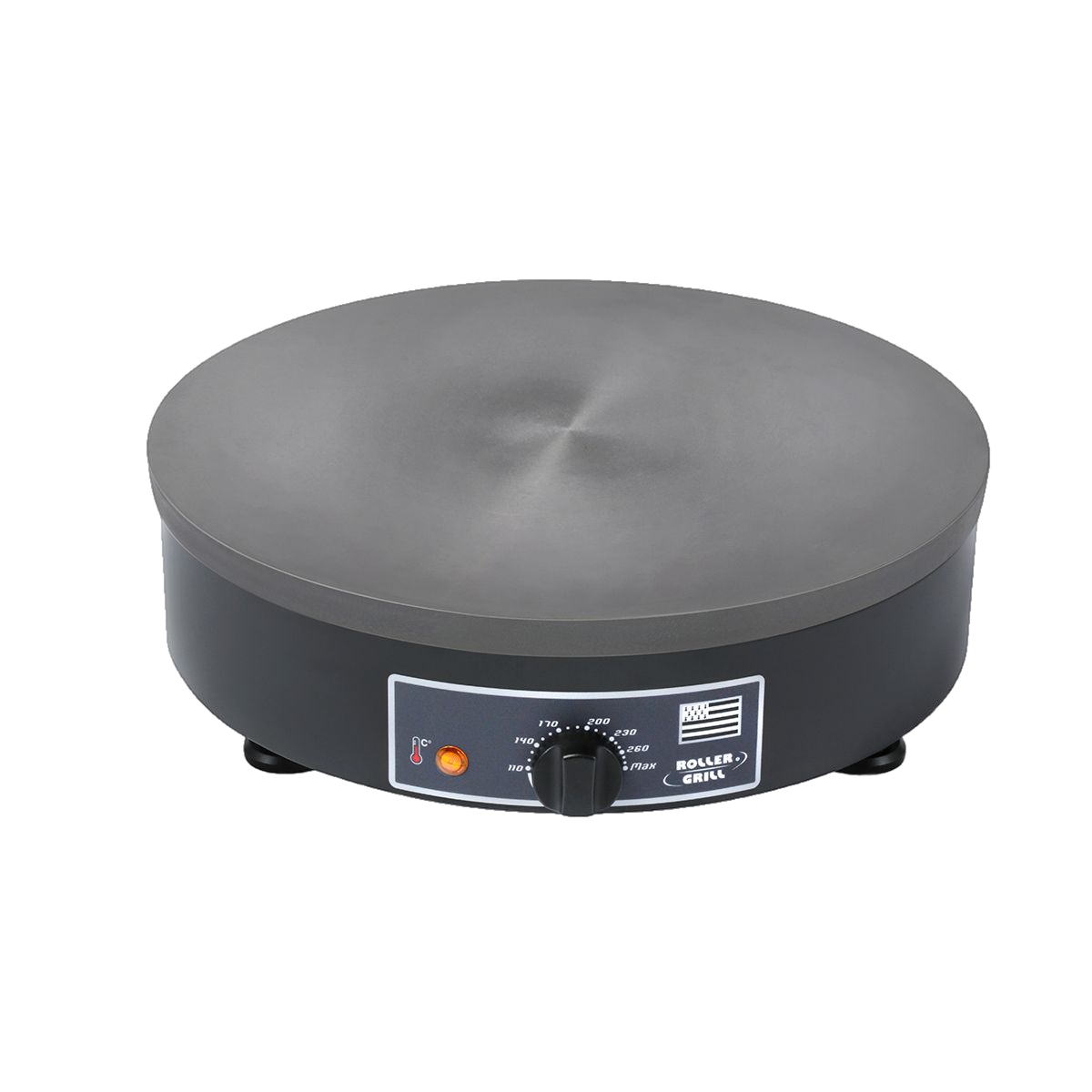
The cooking method of every plancha and griddle plate is contact cooking. Contact cooking corresponds to the coefficient of friction between the food and the cooking plate. The smoother the cooking surface, the better the food can adhere to the plate and the better the temperature transfer to the product being cooked. Plancha and griddle plate are both characterised by a smooth cooking plate that is resistant to very high temperatures: essential elements for quality contact cooking.
Whatever its name – plancha or griddle plate – , in the eyes of chefs the best plancha must allow a successful Maillard reaction during cooking.
The best plancha or griddle plate in the eyes of Michelin-starred chefs must allow an excellent Maillard reaction during cooking: a drizzle of olive oil on a nice hot, smooth plate, and the chef achieves a beautiful caramelisation of the food ! A smooth plate and an even distribution of temperature are among the main criteria for choosing the right plancha or griddle plate.
Cooking on a plancha or a griddle plate is extremely varied.
Plancha cooking is not just about searing food on a highly resistant, fast-heating plate. The griddle plate, like the plancha, also lets you cook all kinds of food and vary the cooking styles: grilling, deglazing, simmering, reheating, keeping warm and even steam-braising (in this last case, don’t forget to put the lid on the plate!). Cooking on a plancha gives free rein to your imagination! In both electric and gas versions, adjusting the heating power makes these successive and varied cooking styles possible.
Plancha and griddle plate are unanimously praised when it comes to maintenance.
Planchas and griddle plates all come with a grease collection tray to make cleaning easier. Thanks to its smooth surface, the cooking plate is fairly easy to maintain. Depending on the thickness and coating, the plate can be deglazed or cleaned with a sponge, or even a spatula, with a little washing-up liquid. Knowing how to clean your plancha and your griddle plate is a guarantee of the appliance’s longevity.