French manufacturer of professional kitchen equipment since 1947
French manufacturer of professional kitchen equipment since 1947
French manufacturer of professional kitchen equipment since 1947
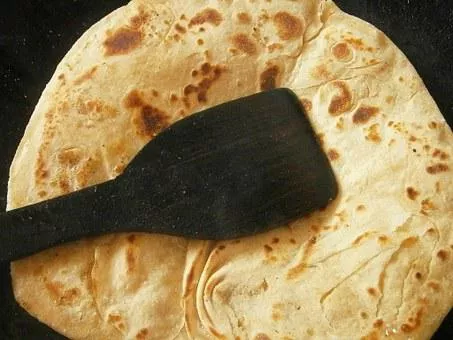
In the 16th century, in the days of the Mughal Empire, chapatis served as an accompaniment but also as cutlery. They were in fact rolled into cones and handled with the right hand (the left hand being considered impure) in order to scoop up dhal sauce or a vegetable curry.
The chapati, also known as rotli, roti or fulka, is cooked on a plate called a “tawa”.
Today, chapatis are mainly eaten in northern India with dhal (a lentil soup/purée that is a staple of the Indian diet), rice and vegetables. You can, however, find them in France in many Indian restaurants.
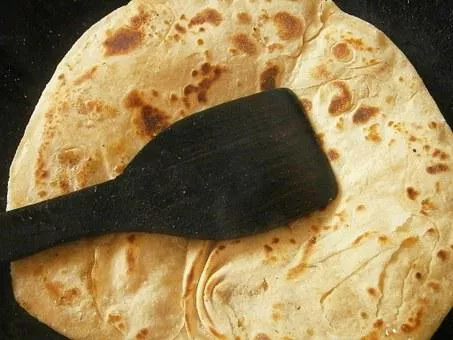
The ingredients for 8 chapatis:
The first step is to mix the flour, water, salt and oil. You can use a dough mixer for a better result. Once the dough is nice and supple and elastic, leave it to rest for 1 hour away from draughts.
Then flour your work surface and divide the dough into 8 pieces of equal weight. The aim is to obtain a flatbread around 2 mm thick.
Cooking could not be simpler: 2 minutes on each side, in a non-stick frying pan, over a fairly high heat. If the dough puffs up and browns in places, that is normal.
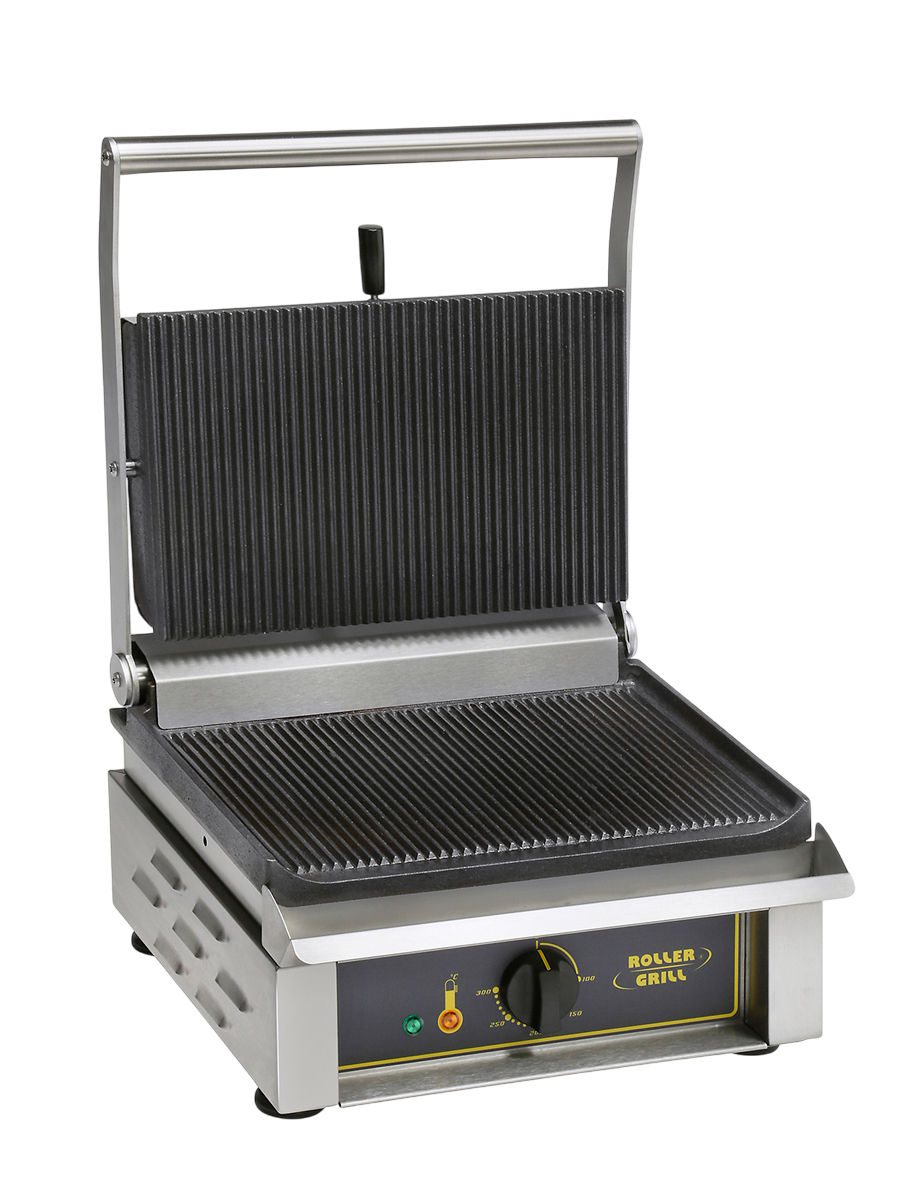
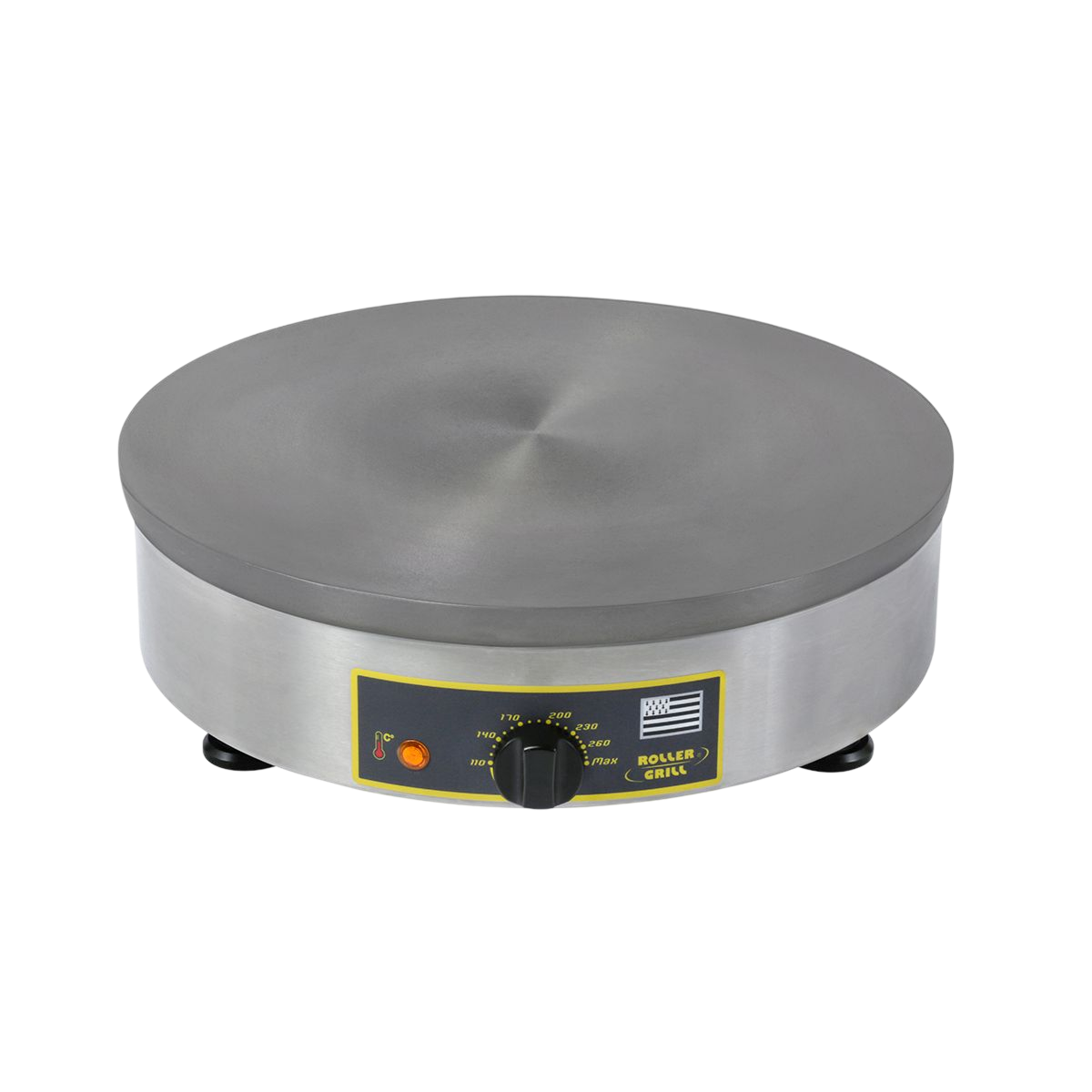
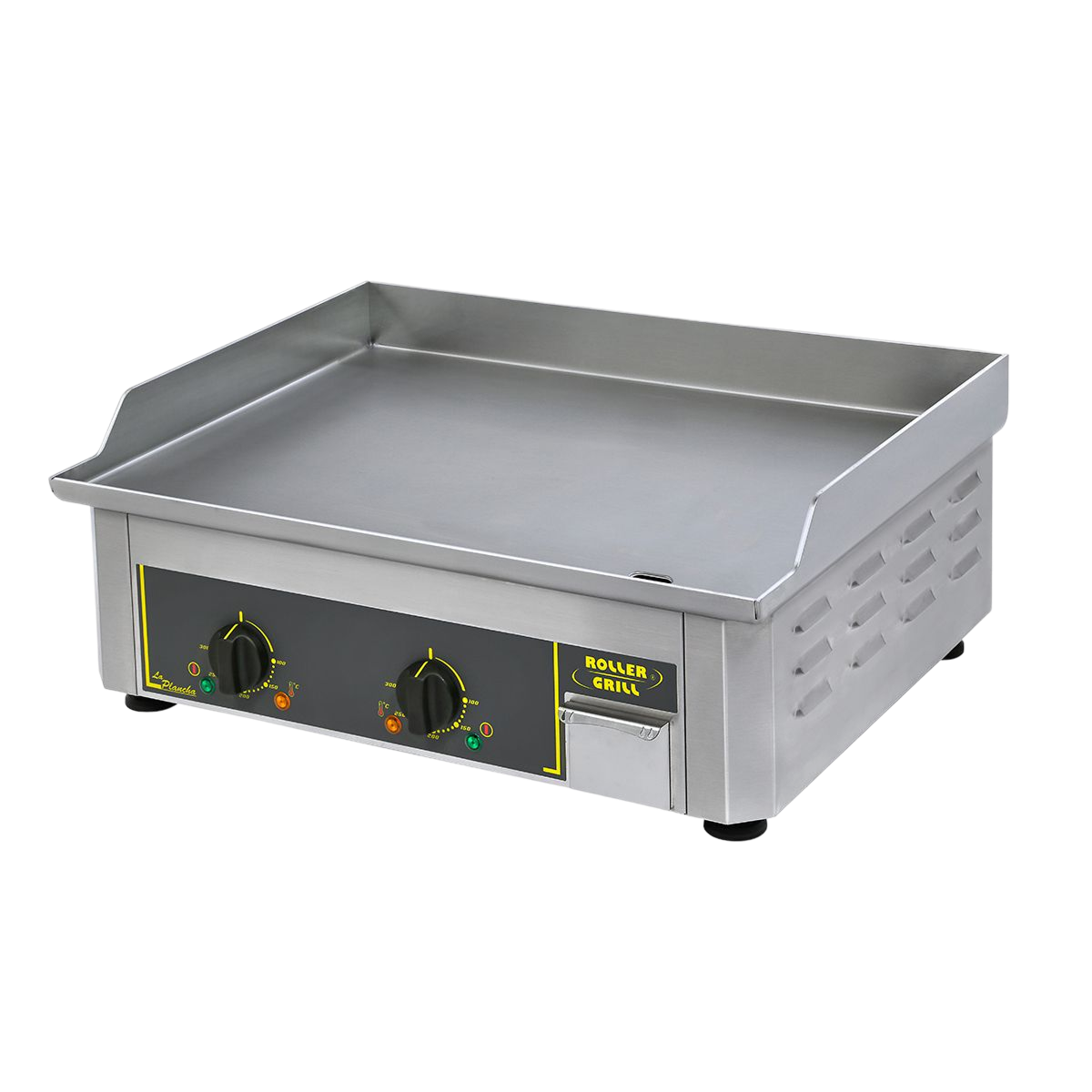
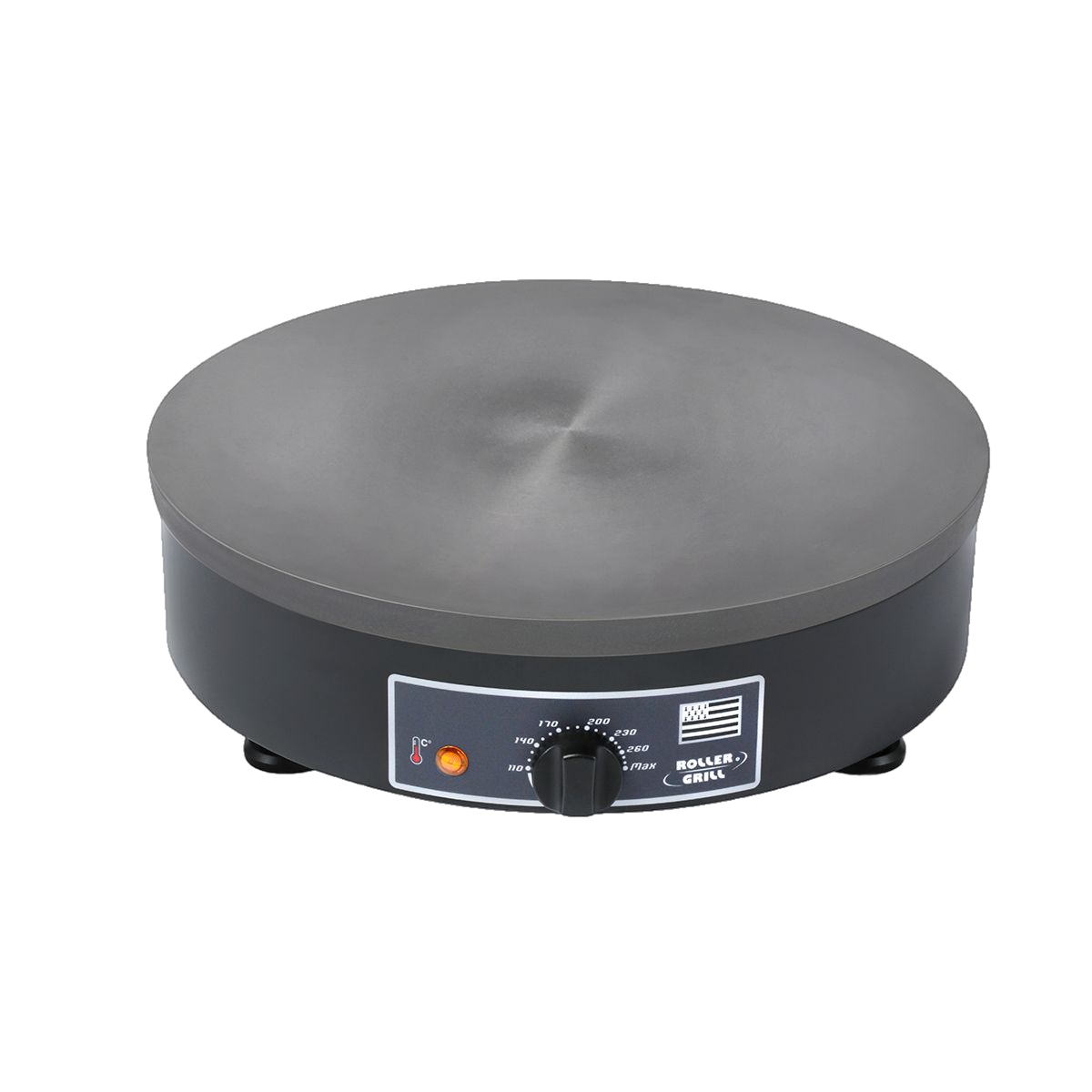
Our Roller Grill professional crêpe machines are perfectly suited to this type of contact cooking.
Chapatis go with all Indian dishes, but here are a few accompaniment ideas:
Traditionally, from 5 a.m. onwards, chapatis are cooked by mothers for their husbands and children before they leave for work or school.
After being cooked directly over the gas flame, 3 or 4 chapatis are placed in their tiffin box (lunch box), which they take with them for the day. This lunch box is generally filled with 2 further tiers of dhal, vegetables or rice.
Chapatis and French crêpes have one big thing in common: they contain no leaven or any other ingredient that makes the dough rise.
However, chapatis are thicker than French crêpes and are not rolled up before being eaten.
Chapatis can be eaten in different ways. They can be served with all Indian dishes, from dahl to curry, and are sometimes greased with ghee and rolled into cones to act as a spoon — the best way to enjoy dhal sauce.
The word “Chapati” is actually of Persian origin and means “slap of the palm”. This refers to the way the elastic dough is stretched before being placed on a scorching-hot plate.
You can make your chapatis with several types of flour, such as wholemeal wheat flour, or maize or millet flour.
For cheese chapatis, keep to the traditional recipe given a few lines above. After forming discs of around 15cm, place 2 portions of La vache qui rit® or some fresh cheese on each side and fold the dough over. Seal the edges well and cook over a low heat for 5 minutes on each side.
Chapatis are often greatly enjoyed with curried potatoes.
Chapatis can be made with different types of flour: wholemeal or semi-wholemeal flour (if you are not used to wholemeal flour), or buckwheat flour if you want to avoid gluten.
If you fancy adding a sweet touch to your chapatis, you can also place a square of chocolate in the centre of the crêpe before cooking, then fold it over into a turnover.
Filling your chapatis with chicken? It is entirely possible! Simply fill your flatbreads with a mixture of green beans, onions, chicken escalopes, hot curry powder, full-fat single cream, olive oil and salt.
Besides chicken, chapatis can be served with minced beef along with onion, parsley, an egg, herbs, salt and pepper.
For a lighter chapati recipe, simply leave the oil out of your recipe and alternate between wheat flour and buckwheat flour. Here are the ingredients required for 6 people: 200 g of wholemeal flour, 40g of wheat flour, 1 teaspoon of salt and some water.
Chapatis are made not with butter but with oil, so that they are lighter and less fatty.
If you are not keen on wholemeal flour, you can replace it with semi-wholemeal flour, or with buckwheat flour, which is gluten-free.
Chapati flatbreads contain no yeast, as they are not crêpes that need to rise.
Tortillas and chapatis are staples of Mexican and Indian cuisine.
Both of these flatbreads are made from flour, but they differ in appearance. The tortilla is a flatbread made from maize flour and sometimes wheat flour, served with a filling. The chapati, meanwhile, is a thin, flat roti made from wholemeal or semi-wholemeal wheat flour.
As for Naan, it is made with all-purpose flour, it can be eaten with any curry, lentils and pulses, and its dough is made from maida, yoghurt, salt and water.
A tandoor is needed to cook it, which is not the case for the chapati. The latter is traditionally cooked in a Tawa, a flat Indian pan with a wooden handle. It also cooks perfectly on a professional crêpe machine.