


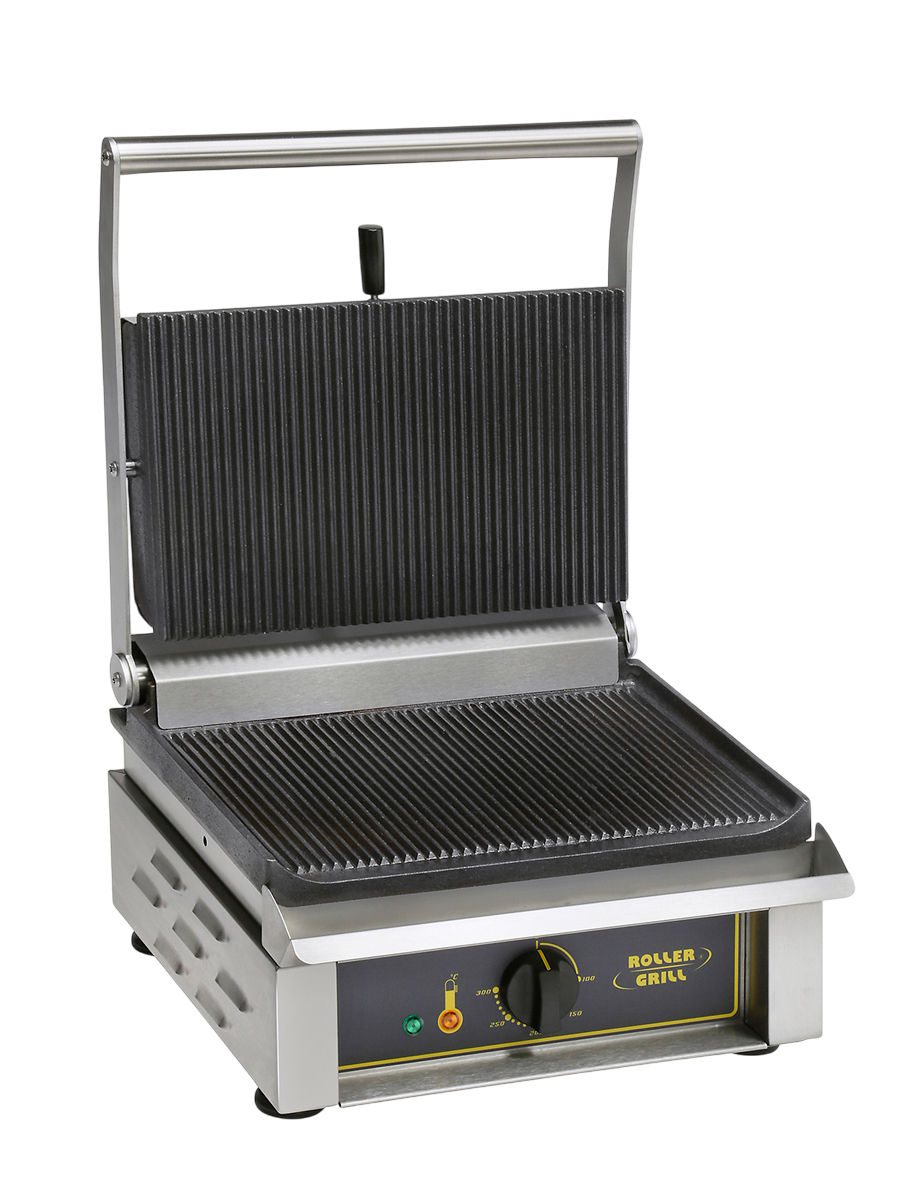
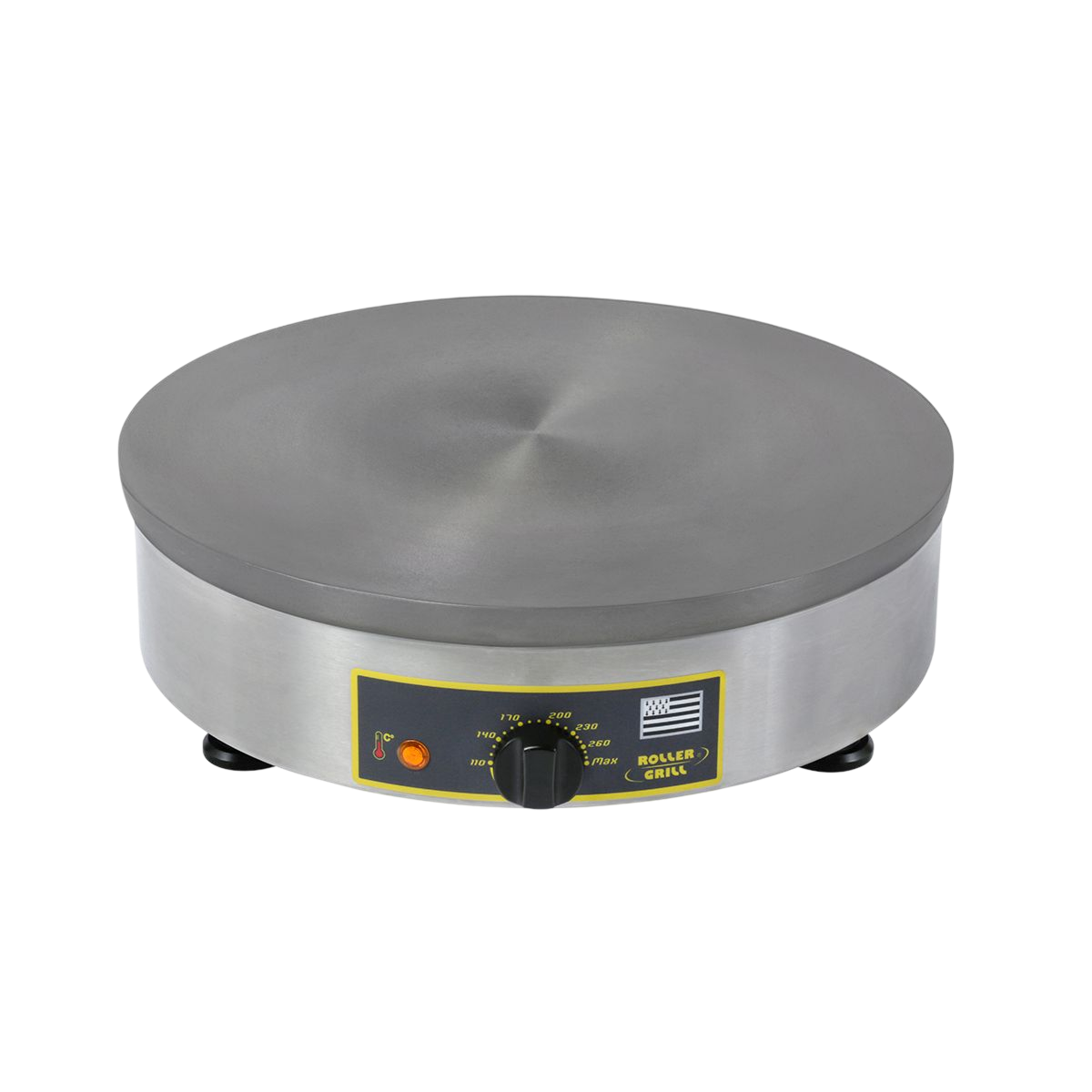
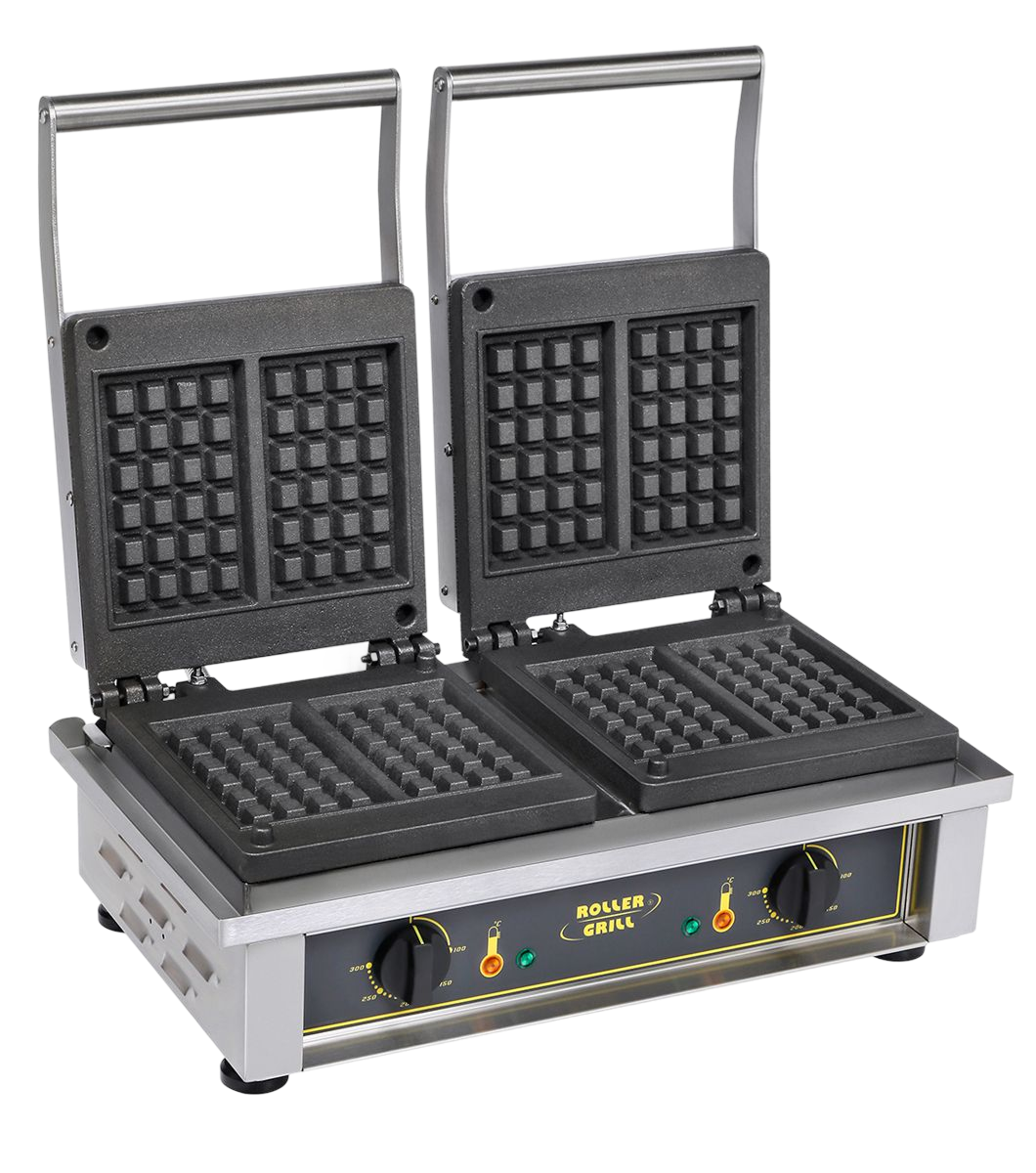
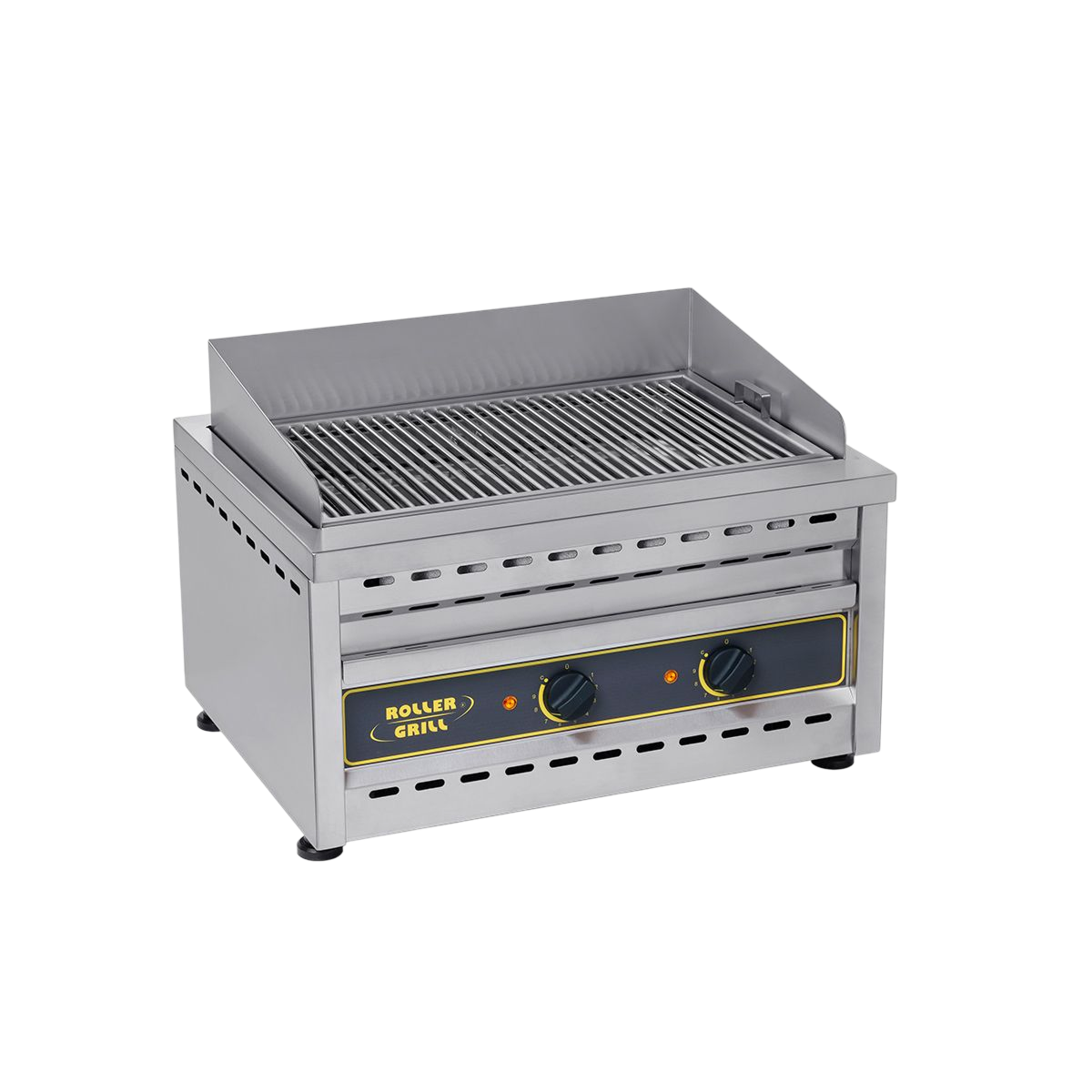
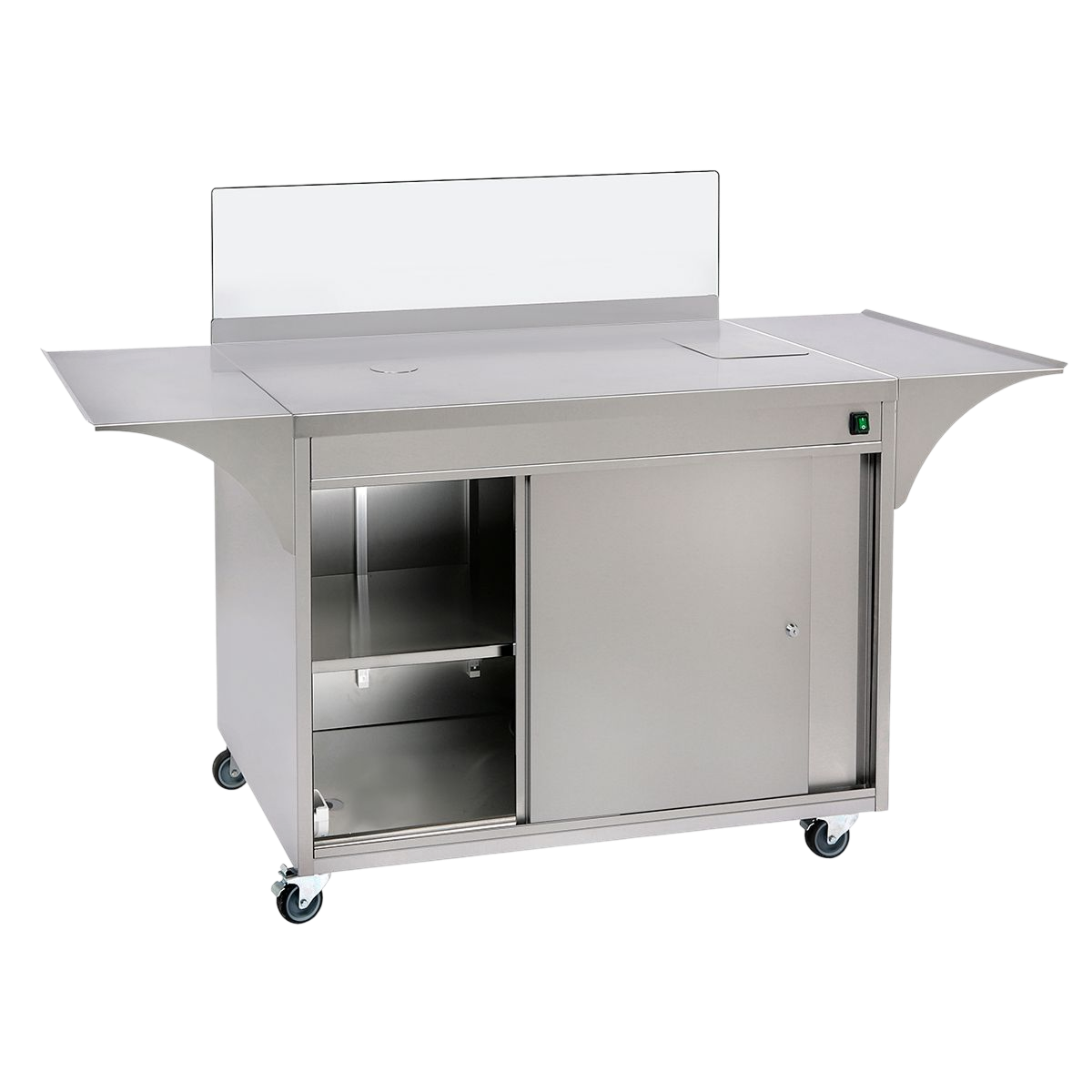
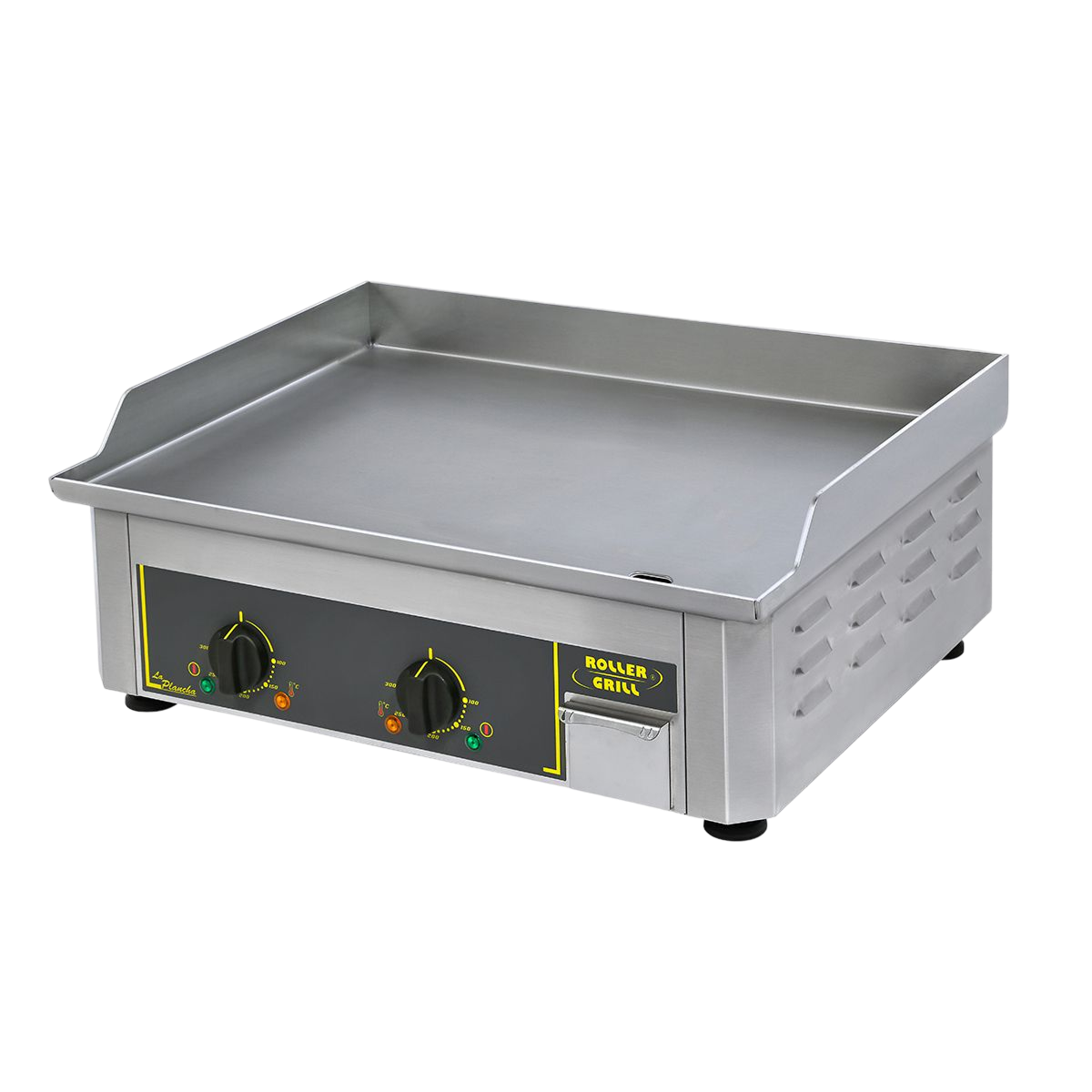
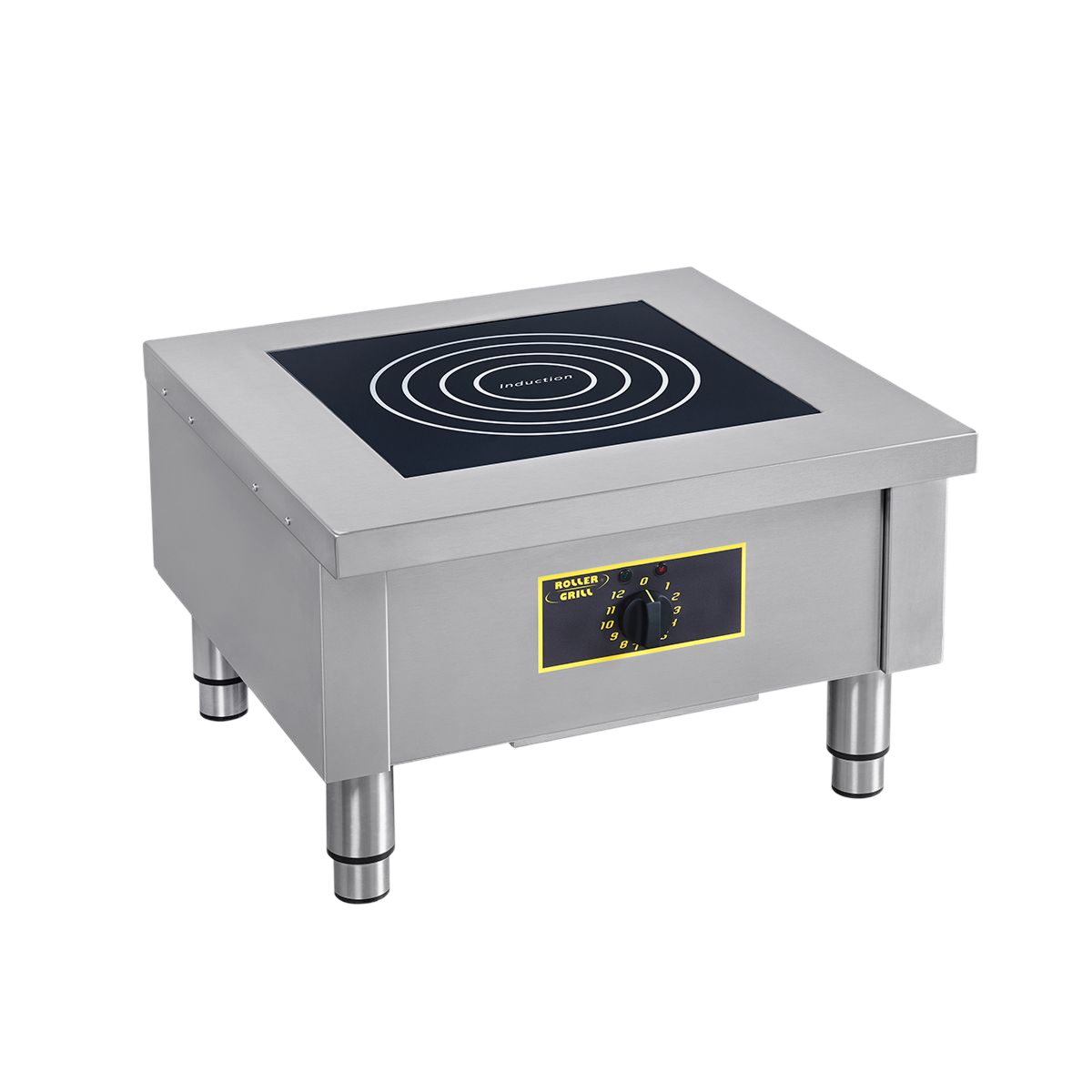
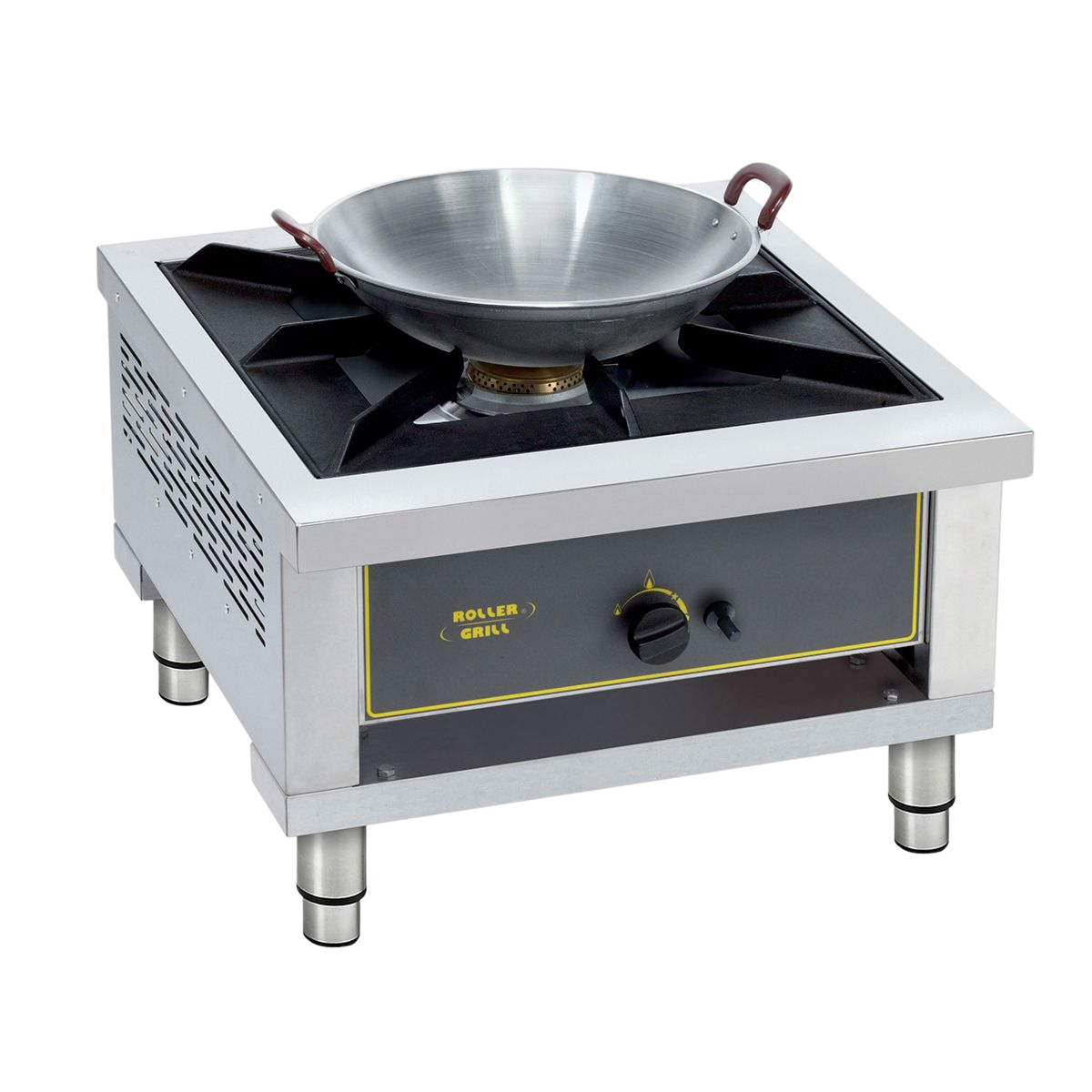
The kitchen environment determines the choice between an electric and a gas professional plancha.
Chefs first choose their griddle plate according to the location and the electric or gas installation of their kitchen.
Depending on the region, professional kitchens run on gas or electricity. Logically enough, restaurateurs opt for the energy source installed in their kitchen. A restaurant with a three-phase supply can install a powerful professional electric plancha. However, if no local regulations prohibit it on the premises, some chefs prefer the performance and responsiveness of gas for high-temperature plancha cooking. It is also a way of limiting electricity consumption. Food trucks, often mobile and with limited electrical capacity, favour gas cooking with a butane or propane gas bottle. Restaurateurs based in certain remote regions also equip themselves mainly with gas appliances and therefore with gas griddle plates.
The space available in the kitchen is decisive when choosing a professional plancha for a restaurant.
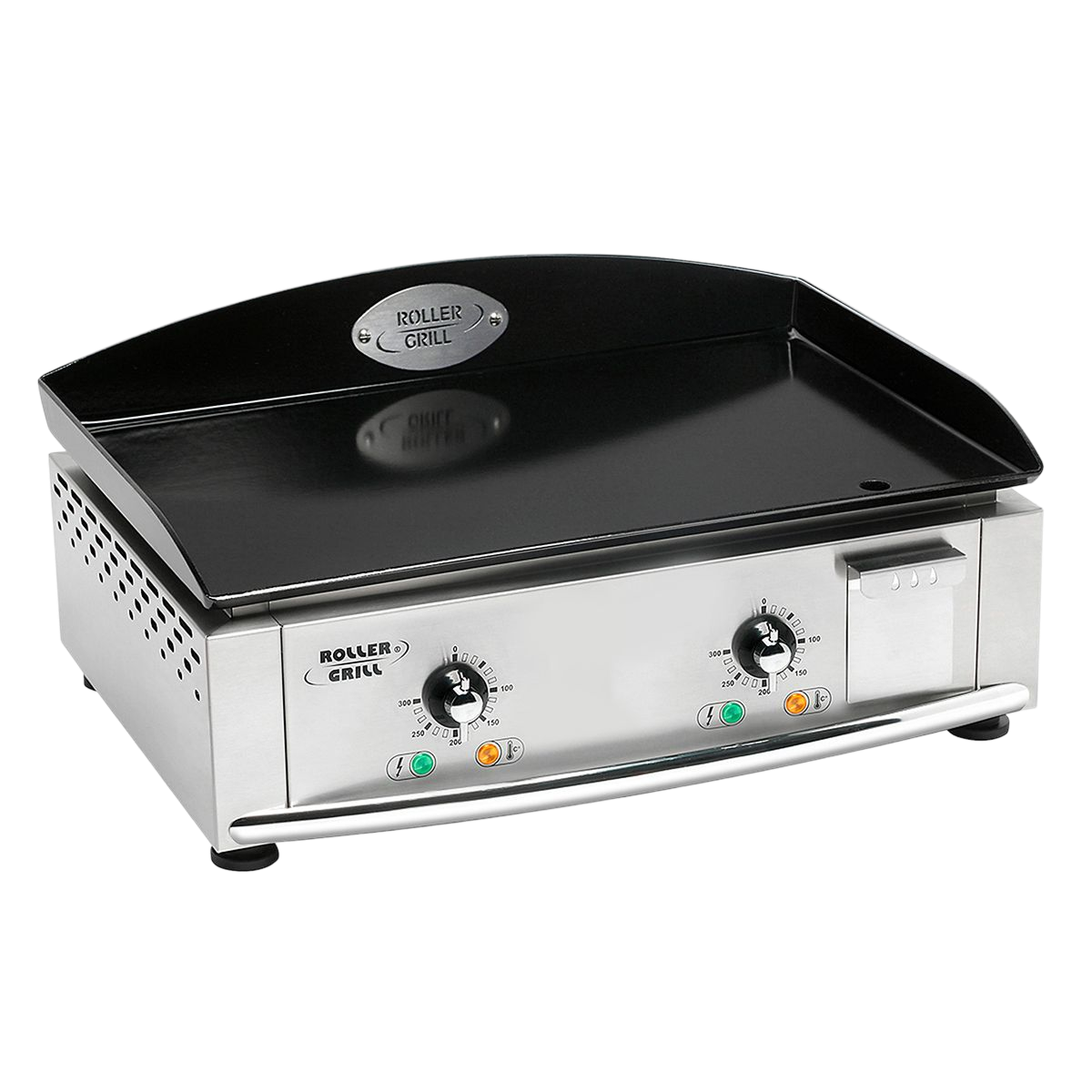
Space in professional kitchens is often limited: every centimetre counts when installing kitchen equipment. Griddle plates follow standard dimensions, leaving no room for any made-to-measure construction of this manufactured product. The size of the plancha differs according to the number of cooking zones. A plate with a single heating zone measures 40 cm wide and just as much deep. 2- and 3-burner planchas are 60 and 90 cm wide respectively. Roller Grill also manufactures certain models with 2 cooking zones arranged depthways, such as the PED 600 and PGD 600 griddle plates. The French manufacturer of light cooking equipment thus meets a growing need for ever more compact equipment while respecting the standards of the professional kitchen, in particular 400 x 700 mm cooking modules.
A plancha for catering professionals must deliver high performance.
A “high-performance plancha” means “fast temperature rise”.
The use of the plancha has evolved over the centuries. It is no longer the simple thick cast iron plate of the 19th century for the slow cooking of food and the hot-holding of stewpots and cooking pots. With the advent of fast food in the 1980s, the plancha, more than just a piece of kitchen equipment, became a fast cooking method. Using a cooking appliance with a relatively short preheating time is every chef’s priority, with a view to better control of energy consumption but also to productivity gains in the kitchen. The plancha for professionals in the catering trade must heat up quickly. It is thus quickly ready for use without an overly long preheat. A fast temperature rise results from the combination of powerful electric or gas technology and a plate with good temperature transfer. While the vitroceramic plate holds the record for temperature rise (just fifteen seconds or so! ) thanks to its infrared heat source, its glass, with low thermal inertia, is not enough to achieve beautiful grilling. For the catering trade, it is best to choose a powerful gas or electric plancha (around 3 kW per heating zone) for efficient energy transfer through a cooking plate whose material – such as steel, chrome or enamel – is a good thermal conductor.
In a restaurant, plancha cooking must be perfectly even.
Food cooked on the plancha must be grilled or browned uniformly. A beautiful caramelisation on a duck breast or a salmon steak is the result of perfectly even cooking on a lightly oiled plate. Electric and gas technologies are behind the distribution of heat across the cooking surface. The electric plancha must be fitted with a coiled Incoloy heating element deployed across the width and depth of the plate. Its adjustable thermostat regulates the heating power. As for the gas plancha, the 6- or 8-branch star burner combined with a safety thermocouple is the only form of gas radiant capable of distributing the temperature uniformly across the entire cooking zone.
The griddle plate must be designed for intensive use
The plancha is an essential and versatile piece of equipment in any professional kitchen: searing meat or fish with a little fat, flash-searing scallops, cooking mussels on the plancha, browning vegetables in olive oil, steam-cooking potatoes with a lid, preparing marinades, grilling as on a barbecue, keeping saucepans warm for sauces… Successive cooking sessions, often at full power and with metal utensils, put griddle plates through their paces. A cooking plate at least 10 mm thick ensures the durability of equipment subjected to intensive use.
Depending on expectations in terms of use and maintenance, restaurateurs will choose different plate coatings.
Fervent defenders of traditional and regional cuisine remain attached to the original equipment, namely the cast iron plancha. The cast iron plate is sturdy and provides gentle, steady cooking. Conversely, chefs always on the lookout for new trends turn to a stainless steel plancha, which heats up faster and is easy to clean. Easy cleaning or even cooking — some restaurateurs hesitate to choose between a stainless steel or cast iron plancha.
Yet with other plate coatings such as chrome, steel and enamel, it is possible to strike the right balance between healthy, quality cooking and easy plancha maintenance. The chrome coating provides the best cooking quality thanks to its ultra-smooth finish. But the chrome plancha, thinner than a large “teppanyaki”-style hard chrome plate, can only be used with silicone or high-temperature wooden utensils to avoid scratches. In terms of plate coating, considering the purchase of a griddle plate also means asking the question: which plancha to choose between steel and enamel? In both cases, the cooking will be of good quality and maintenance is made easier by the use of metal spatulas, though with better resistance from the mass enamel plate.