French manufacturer of professional kitchen equipment since 1947
French manufacturer of professional kitchen equipment since 1947
French manufacturer of professional kitchen equipment since 1947
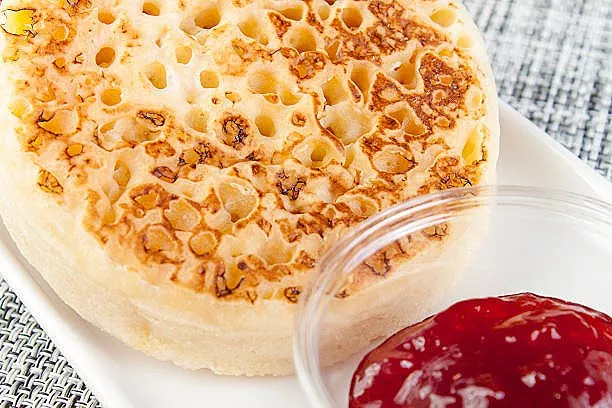
Of Anglo-Saxon origin and dating back to the 14th century, the crumpet looked like a pancake right up until the Victorian era. Then came the crumpet makers of the Midlands and London, who developed the crêpe’s characteristic holes by adding baking powder to the batter.
The original name was “crompid cake”, and its evolution into today’s “crumpet” means “a crumpled or upward-curling cake”.
More precisely, crumpets are thought to originate from Wales. They were cooked on a hot griddle plate, as bread ovens did not yet exist.
This recipe does not require many ingredients, so it’s the perfect excuse to make them at any time!
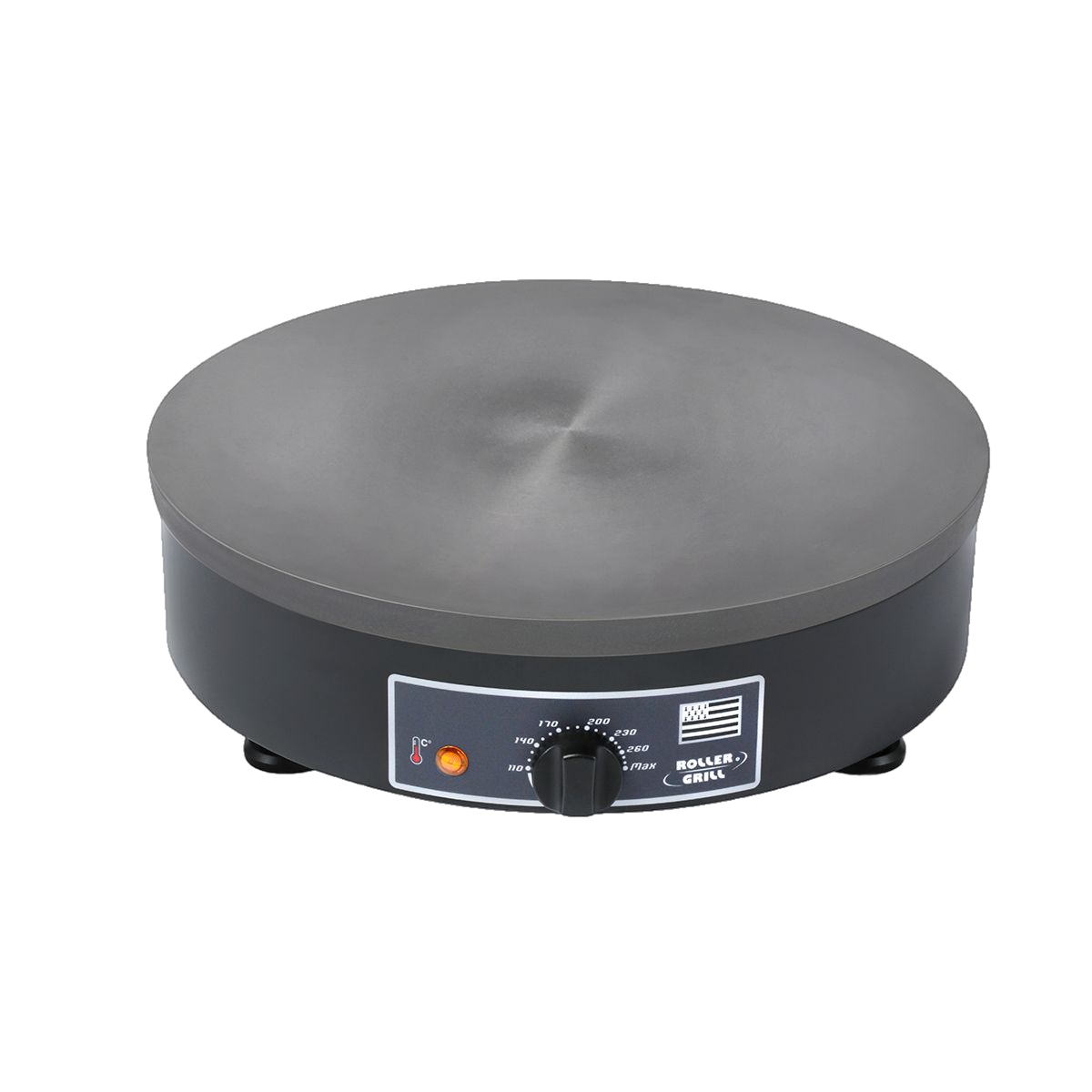
Now is the time to place a pre-buttered flan ring on a non-stick pan or on a professional crêpe machine and heat everything up. Fill the ring 3/4 full with batter.
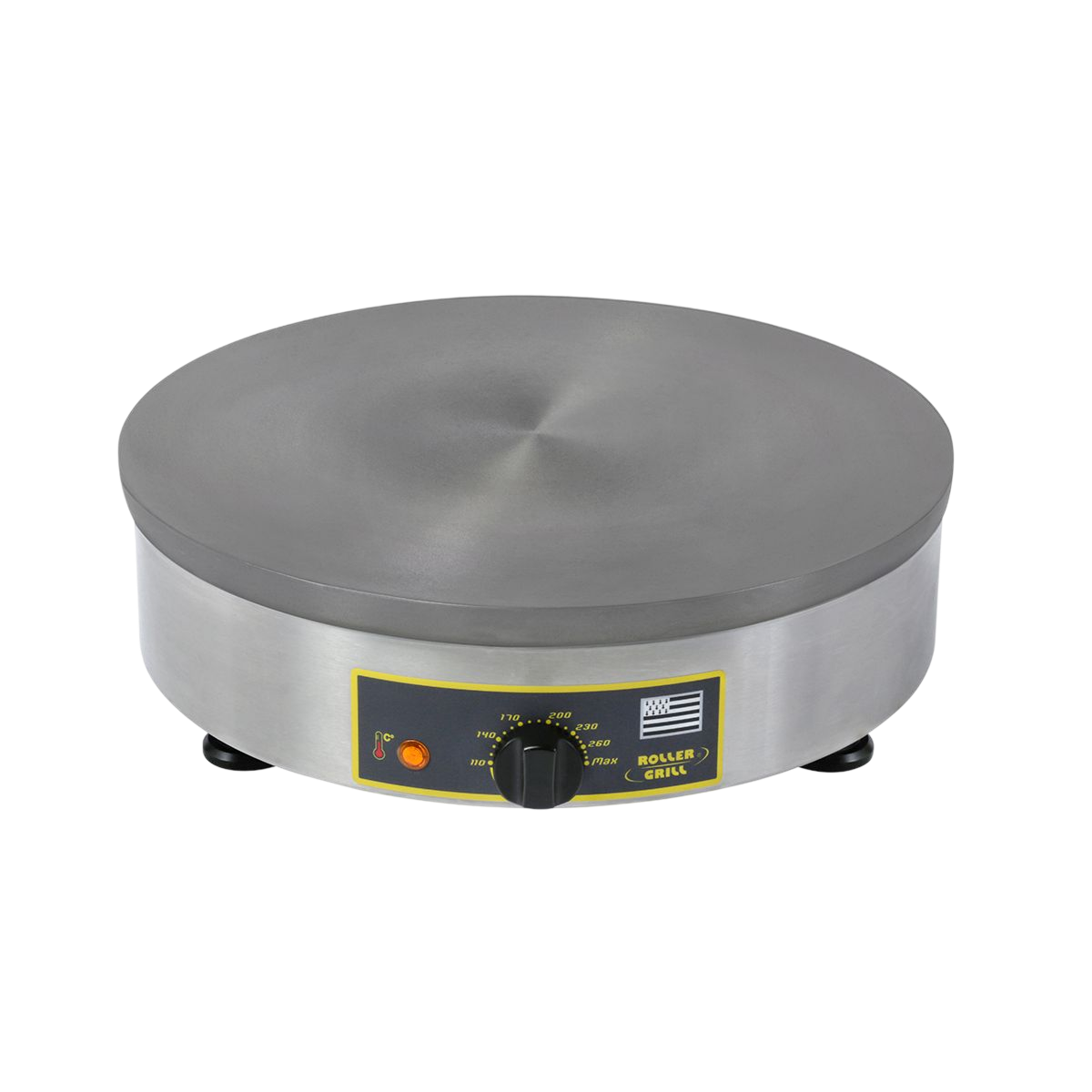
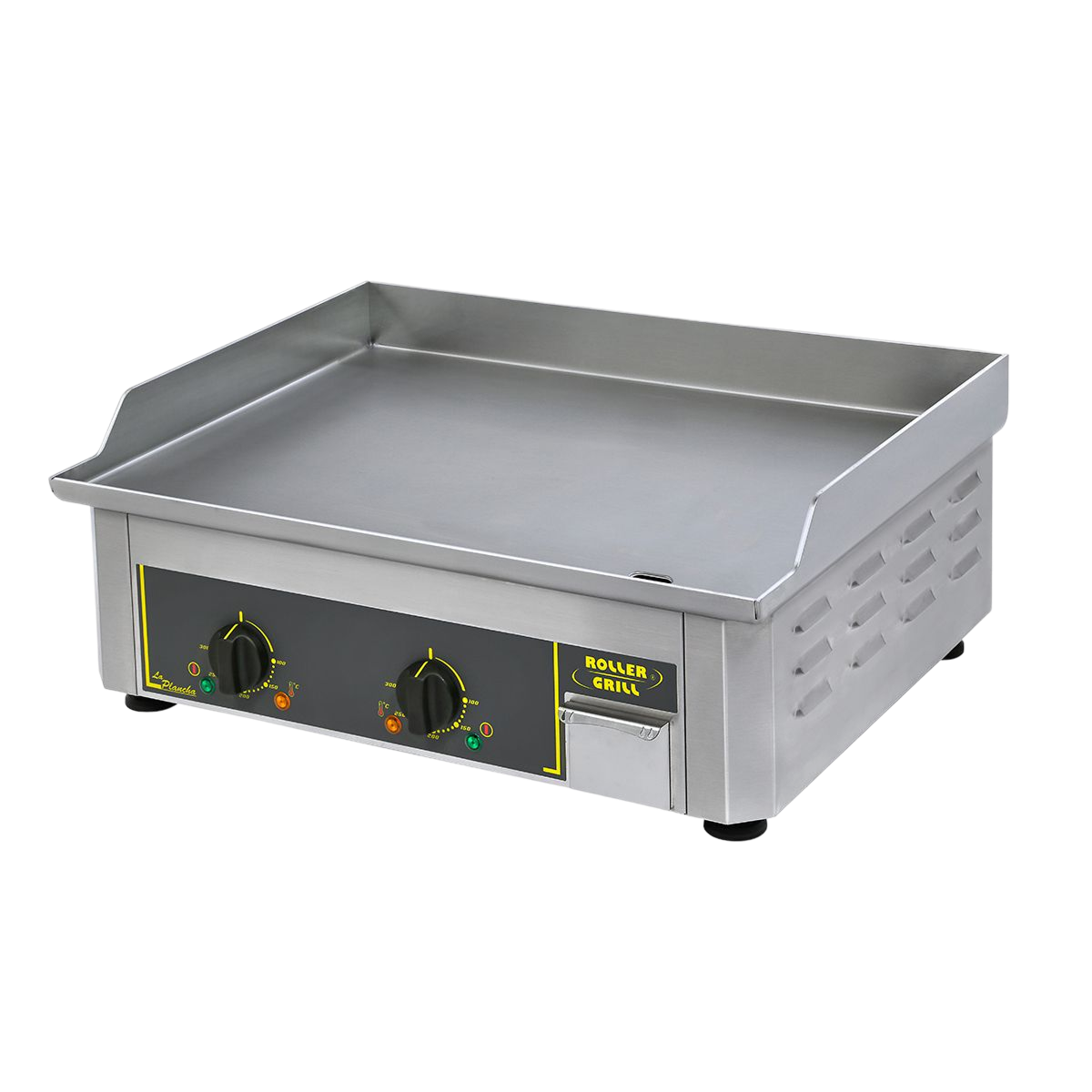
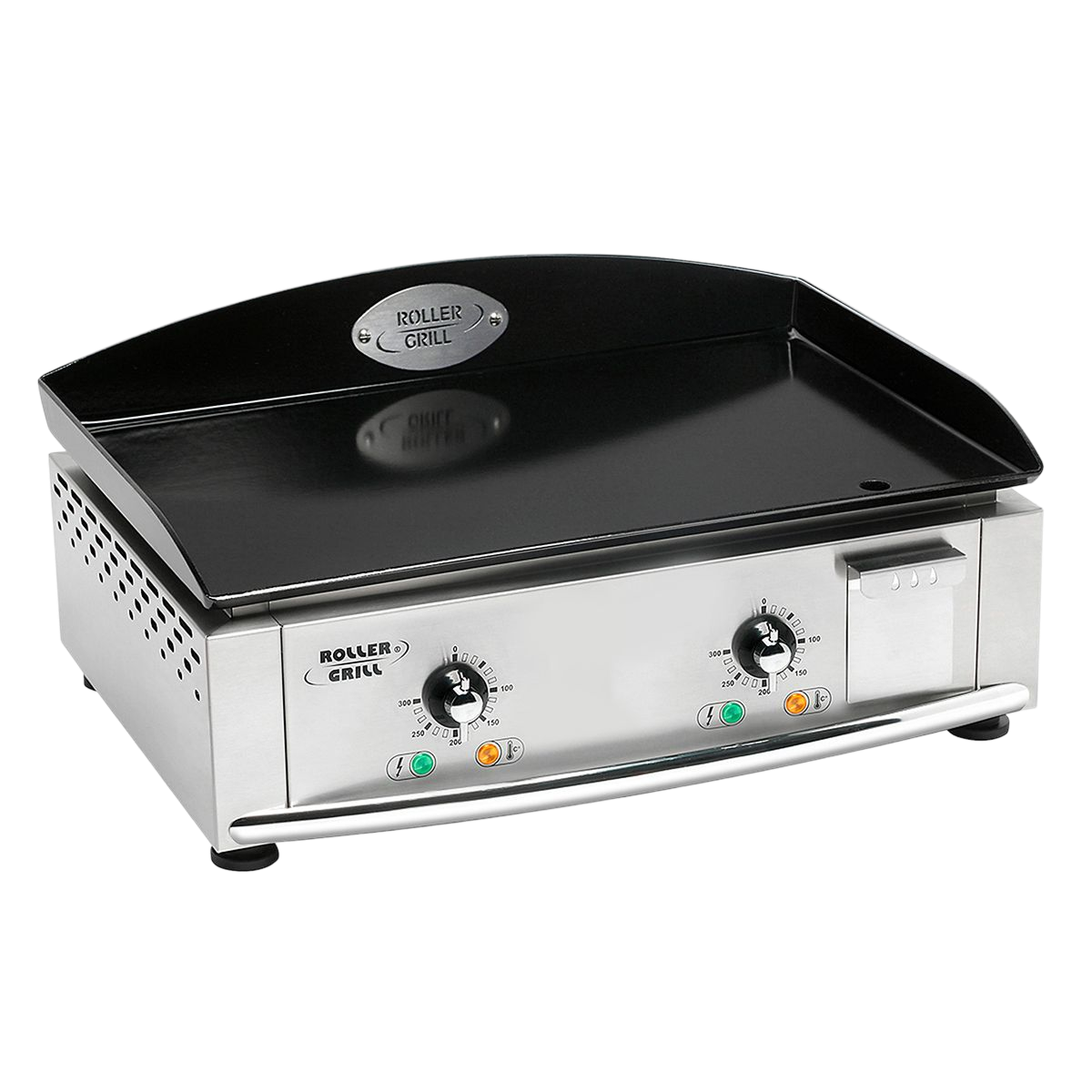
For beautifully golden crumpets with perfect geometry, start cooking on a high heat on our traditional professional electric crêpe machine.
Once bubbles start to form, gradually lower the heat to prevent the underside of the crumpet from burning. Once toasted, the outside becomes crispy, while the inside stays soft.
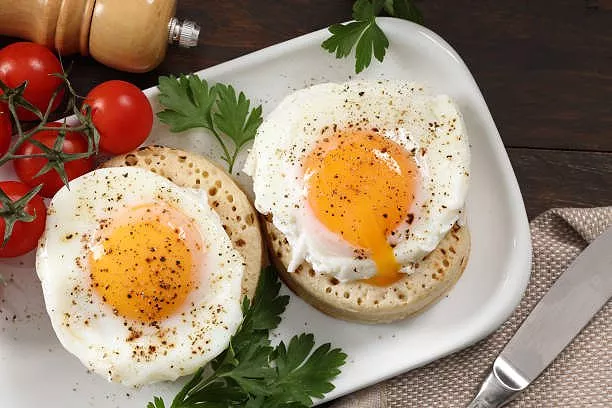
2 topping ideas you are sure to enjoy every time:
A staple of English cuisine, crumpets are very popular at breakfast and at teatime in Great Britain.
Savoury crumpets can be enjoyed at any meal.
Crumpets are quite different from French crêpes.
They are indeed round in shape like French crêpes, but much thicker. They are not rolled up and are eaten like pancakes, unlike French crêpes.
They can nonetheless be served with similar ingredients such as jam, butter or sugar.
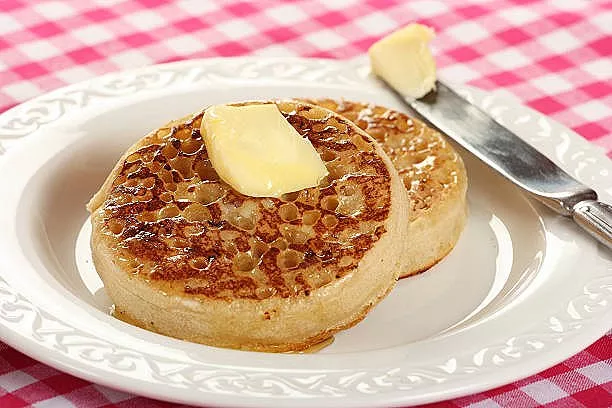
For 6 to 10 crumpets, you will need 225g of flour, 1 teaspoon of granulated baker’s yeast, 1/2 teaspoon of salt, 1 teaspoon of sugar, 150ml of milk, 150ml of water (0.6 cups), 1/2 teaspoon of bicarbonate of soda and some vegetable oil.
You can prepare your homemade crumpets in advance, refrigerate them and toast them just before serving. You can also freeze them and then reheat them in the microwave, oven or toaster.
If you enjoy savoury food, you will love the egg, bacon and cream cheese version to accompany your crumpets.
If your heart leans more towards sweet things, opt for the jam of your choice and some fresh fruit to round off the recipe!
Crumpets and English muffins are both very popular for breakfast, but differ in certain respects. English muffins have more of a bread-like texture, while crumpets have a softer texture. Crumpets are cooked on one side only, unlike English muffins. Toppings do not sit the same way on the two crêpes, as muffins are thicker than crumpets.
Although very similar, crumpets and pancakes differ in their texture. Pancakes are softer than crumpets. Crumpets can be eaten either hot or cold, whereas pancakes must be eaten hot.
Scones and crumpets can both be served with butter, jam and other spreads. However, you may find fruit in scone dough that you will not find in crumpet batter.
Scones are made from a dough that contains bicarbonate of soda but no yeast. It is quite the opposite for crumpets: they are made from a batter that contains yeast but no bicarbonate of soda.
This topic is up for debate, as many people confuse the two and mix up the names. Pikelets and crumpets are similar in their unsweetened batter made from water or milk, flour and yeast. But pikelets are thinner than crumpets.
You will choose crumpets for their soft texture, the way they fill you up and their low production cost.